


UAE Royal Family Received Over 71 Million Euros in EU Agricultural Subsidies, Including in Romania
Translated from Romanian, summarized and contextualized by DistantNews.
TLDR
- The royal family of the United Arab Emirates received over 71 million euros in EU agricultural subsidies.
- Subsidies were paid for farmland in Romania, Italy, and Spain, managed by companies linked to the Al Nahyan family.
- Critics argue the current system favors large farms and entities from authoritarian states, prompting the EU to consider reforms.
Adevărul, as a leading Romanian news outlet, approaches this investigation with a critical eye, particularly concerning the significant EU agricultural subsidies flowing to entities connected with the UAE's royal family. Our reporting highlights the substantial sum of over 71 million euros disbursed through the EU's Common Agricultural Policy (CAP), with a notable portion directed towards Agricost in Romania, which manages the EU's largest farm. The sheer scale of these payments, especially to Agricost – over 1,600 times the average European farm's subsidy in 2024 – raises serious questions about fairness and the distribution of public funds.
The royal family that leads the United Arab Emirates has benefited from over 71 million euros in European Union agricultural subsidies, according to a cross-border investigation.
This story is particularly resonant in Romania, where agricultural land and businesses have become targets for foreign investment. While the article notes the UAE's broader food security strategy, driven by its arid climate, the focus here is on the implications for Romanian agriculture and the EU's policy. The investigation, a collaboration with international partners like DeSmog and El Diario, underscores our commitment to uncovering how EU funds are utilized and whether they align with the policy's stated goals of supporting farmers and rural communities. The fact that these funds are channeled through companies linked to a wealthy, authoritarian state with a documented human rights record, as reported by The Guardian, adds a layer of concern.
The investigation shows that subsidiaries controlled by the Al Nahyan family received European payments for agricultural land owned in Romania, Italy, and Spain.
From a Romanian perspective, this raises issues beyond mere agricultural economics. It touches upon national sovereignty, the control of strategic assets like farmland, and the transparency of large-scale financial flows. While Western media might focus on the EU's internal policy debates or the UAE's global investments, Adevărul emphasizes the local impact: how these subsidies affect Romanian farmers, the agricultural landscape, and the country's relationship with both the EU and international investors. The potential reform of the CAP, including capping subsidies, is closely watched here as a possible step towards a more equitable system that benefits local producers rather than enriching foreign entities, regardless of their wealth or political system.
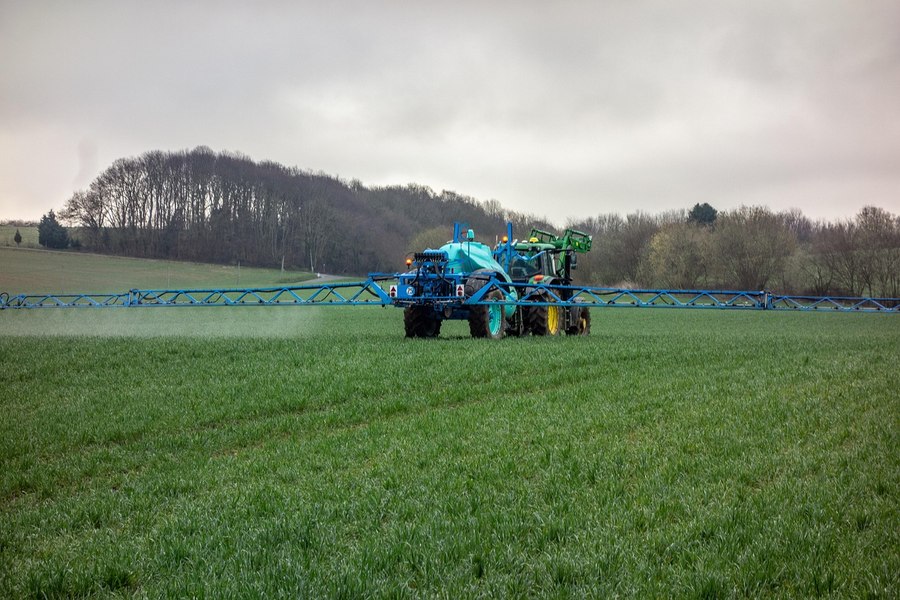
The largest part of the identified subsidies was awarded to the Romanian company Agricost, which manages the largest farm in the European Union, with an area of approximately 57,000 hectares.
DistantNews Editorial
Originally published by Adevărul in Romanian. Translated, summarized, and contextualized by our editorial team with added local perspective. Read our editorial standards.
More Stories


From Our Blog

What Gets Lost (and Found) When News Is Translated

The Critical Role of Diaspora Media in Global News

What Travellers Should Know About Countries with Restricted Press

A Digital Nomad's Guide to Following Local News

How the Same Story Looks Different in Different Countries
