


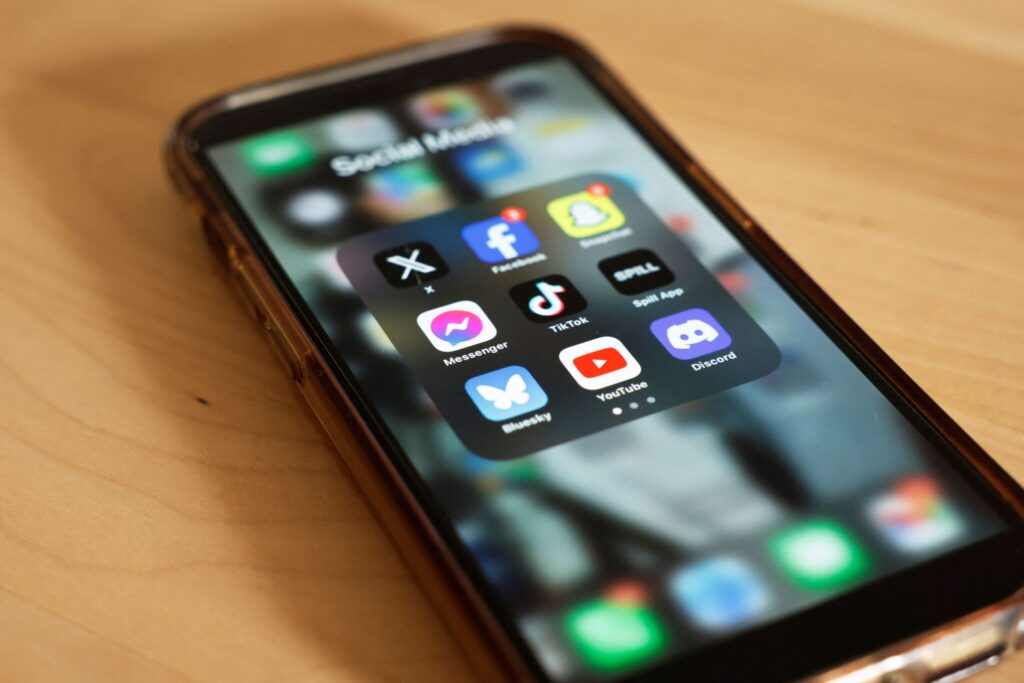
Lifestyle change: Stop using social media for a while
Translated from Malay, summarized and contextualized by DistantNews.
TLDR
- Information overload and attention-grabbing algorithms are causing widespread cognitive fatigue, a phenomenon supported by concerning data.
- The ability to focus on a single digital task has drastically decreased, with individuals now sustaining focus for only 47 seconds compared to 150 seconds in 2004.
- Digital fasting, involving a lifestyle overhaul rather than just temporary device abstinence, is emerging as a defense mechanism to reclaim time and mental clarity.
In today's hyper-connected world, the relentless barrage of unfiltered information and the insatiable algorithms designed to capture our attention have given rise to a pervasive condition: cognitive fatigue. This isn't merely a psychological buzzword; it's a reality backed by stark data. As highlighted by Dr. Gloria Mark from the University of California, our capacity for sustained focus on digital tasks has plummeted, shrinking from 150 seconds in 2004 to a mere 47 seconds today. This erosion of attention is a direct consequence of algorithms that never sleep, constantly vying for our cognitive resources.
The ability to focus on a single digital task has drastically decreased, with individuals now sustaining focus for only 47 seconds compared to 150 seconds in 2004.
In response, 'digital fasting' has emerged not just as a trend but as a crucial defense mechanism. It signifies a profound shift, moving beyond the superficial act of turning off a phone for an hour to a more comprehensive lifestyle re-evaluation. The emphasis is now on the quality, not quantity, of digital engagement. Where once owning the latest gadget was a status symbol, true luxury is now defined by the ability to disconnect, to become 'invisible' in the digital realm. This is evident in the rise of 'analog cafes' in major cities, spaces that offer a retreat into a pastiche of hobbies and interests like vinyl records and film cameras, evoking a sense of nostalgia and a slower pace of life.
Digital fasting emerged as a defense mechanism. It is no longer just about turning off a smartphone for an hour, but a complete overhaul of lifestyle that emphasizes quality over quantity of digital connections.
The growing societal awareness is shifting the definition of happiness away from the superficiality of social media 'likes' towards the richness of face-to-face human interaction. Practices like 'deep resets' are gaining traction, allowing the brain to return to its 'default mode network,' a state conducive to creativity and self-reflection. Creating technology-free zones at home, such as the dining table and bedroom, is becoming commonplace. Despite our technological advancements, our biological needs remain constant; we require moments of stillness. Digital fasting represents a quiet revolution, a reclaiming of our time and minds in a world that never stops talking. In this constant digital noise, silence is indeed emerging as a new form of strength, a perspective championed by publications like Utusan Malaysia that seek to ground readers in mindful living.
In the big cities, we see the rise of 'analog cafes' that take us away from digital life.
DistantNews Editorial
Originally published by Utusan Malaysia in Malay. Translated, summarized, and contextualized by our editorial team with added local perspective. Read our editorial standards.
More Stories



From Our Blog

What Gets Lost (and Found) When News Is Translated

The Critical Role of Diaspora Media in Global News

What Travellers Should Know About Countries with Restricted Press

A Digital Nomad's Guide to Following Local News

How the Same Story Looks Different in Different Countries
