


Made in Europe: The EU plan that has angered China
Summarized and contextualized by DistantNews.
TLDR
- The EU is reviving a
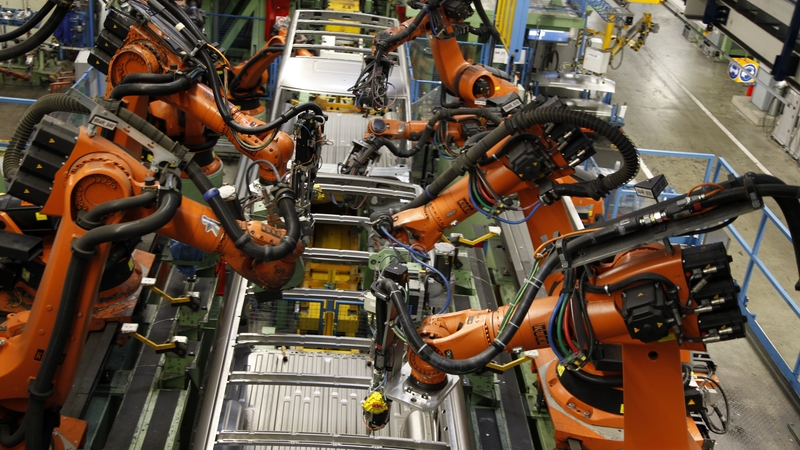
The European Union is taking a bold step to revitalize its manufacturing sector with the "Made in Europe" initiative, a strategic pivot aimed at bolstering the bloc's economy and reducing its dependence on external powers. This ambitious plan, spearheaded by the Industrial Accelerator Act, signals a significant shift in procurement priorities, emphasizing European production, emissions, and sustainability over mere price.
The Made In Europe plan is really a broad push by the European Union to try to encourage more manufacturing and production in Europe – in order to boost the economy here, but also, and maybe more importantly, to reduce the bloc’s reliance on other countries.
For decades, the EU has witnessed a decline in its manufacturing base, which has shrunk from over 20% of GDP in the 1990s to a mere 14% today. The "Made in Europe" initiative directly confronts this trend, seeking to reverse the erosion and reclaim a competitive edge in critical sectors like electric vehicles, steel, and green technology. The proposed act empowers member states to prioritize European companies and products in public tenders, a move that could reshape industrial policy across the continent.
Because the EU’s manufacturing base has slowly been eroded away. In the 1990s, it accounted for more than 20% of the bloc’s GDP, today it makes up just 14%.
This strategic reorientation has not gone unnoticed, drawing sharp criticism from China, which views the plan as an "existential threat" to its economic interests. The EU's determination to foster domestic production and reduce reliance on global supply chains, particularly from China, underscores a growing trend among major economic blocs to prioritize self-sufficiency and resilience in the face of geopolitical uncertainties.
But under this act, countries would now be required to focus less on the price and more on things like emissions and the bidder’s location. If it became law, they would actually need to give preference to European companies - or bids where the products were primarily being made in Europe.
The "Made in Europe" initiative represents more than just an economic strategy; it's a declaration of intent to reassert European industrial prowess. By focusing on key strategic sectors and embedding sustainability criteria into procurement, the EU aims to build a more robust and self-reliant economy, capable of navigating the complexities of the global marketplace.
That’s because they are seen to be of strategic importance to the EU – and areas that Europe wants to be competitive in.
DistantNews Editorial
Originally published by RTÉ News. Summarized and contextualized by our editorial team with added local perspective. Read our editorial standards.
More Stories


From Our Blog

What Gets Lost (and Found) When News Is Translated

The Critical Role of Diaspora Media in Global News

What Travellers Should Know About Countries with Restricted Press

A Digital Nomad's Guide to Following Local News

How the Same Story Looks Different in Different Countries
