

Magical Realism and a Star-Studded Cast: An 8-Episode Series Based on a Latin American Classic
Translated from Spanish, summarized and contextualized by DistantNews.
TLDR
- Prime Video is releasing an 8-episode series based on Isabel Allende's classic novel "The House of the Spirits."
- The adaptation aims to anchor the story in Chile and use Spanish as the family's language, addressing aspects previously omitted.
- The series explores the Trueba family's multi-generational saga, incorporating the political backdrop and dynastic melodrama inherent in the literary work.
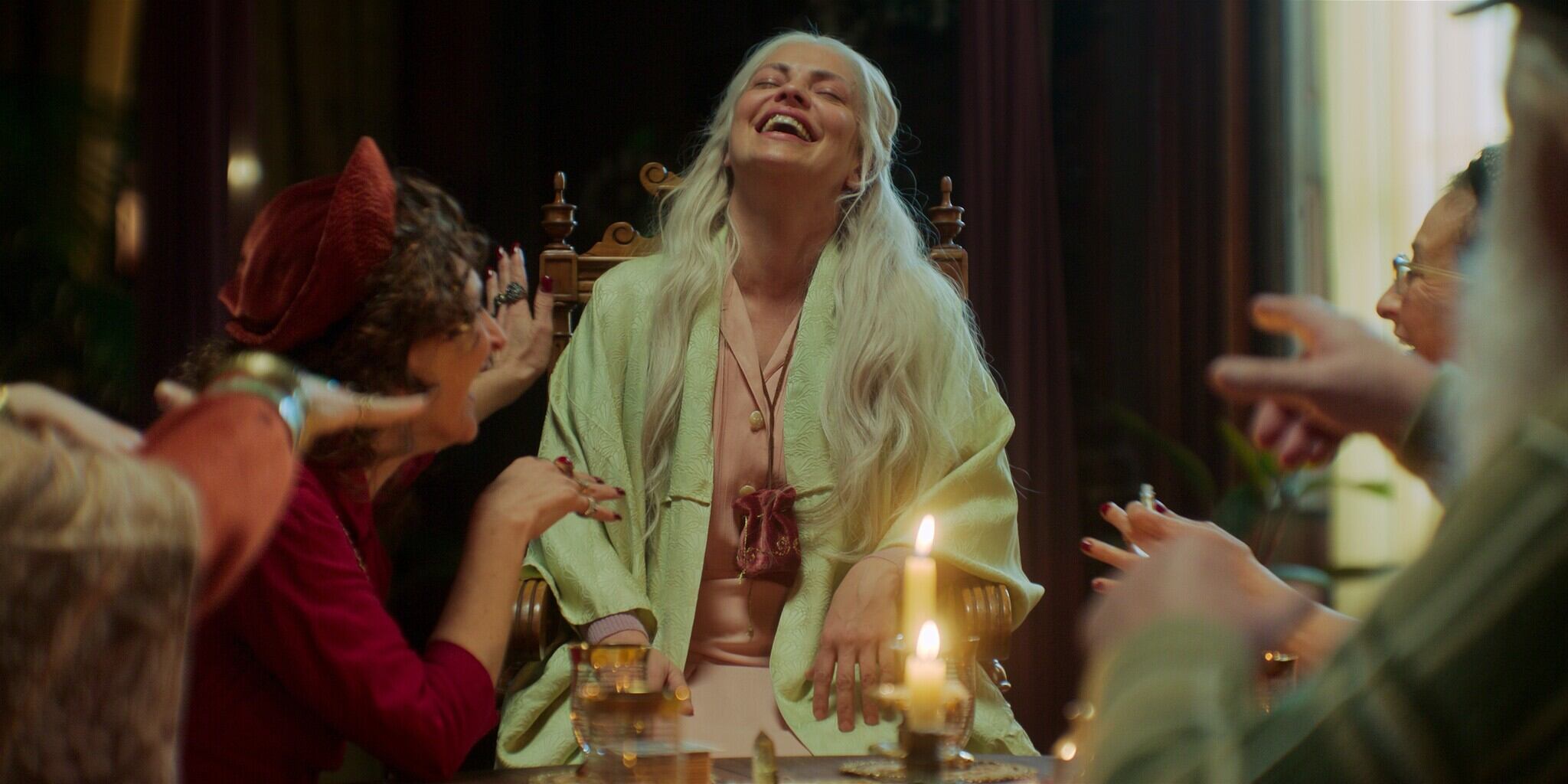
The much-anticipated adaptation of Isabel Allende's seminal novel, "The House of the Spirits," arrives on Prime Video as an ambitious 8-episode series, seeking to capture the magical realism and dynastic complexities that defined the literary masterpiece. This new production, helmed by creators Francisca Alegría and Fernanda Urrejola, endeavors to correct perceived shortcomings of earlier adaptations by firmly rooting the narrative in Chile and preserving the original Spanish dialogue for the Trueba family.
This adaptation is part of a broader trend in streaming services to revisit beloved Latin American literary works, following recent successful series based on novels by Juan Rulfo, Gabriel García Márquez, and Laura Esquivel. The strategy hinges on blending the mystical elements and rich local color of these narratives with the appeal of television to introduce them to new generations. "The House of the Spirits" is no exception, promising to immerse viewers in the vibrant landscapes and intricate family sagas characteristic of the "Latin American boom."
Beyond the magical realism, the series aims to explore the potent political undercurrents present in Allende's novel. From the conservative and dictatorial eras to the tumultuous government of Salvador Allende, the adaptation intends to weave these historical threads into the fabric of the Trueba family's story. This approach allows for a deeper examination of the melodrama, dynastic betrayals, and the quiet tragedies that have shaped the lineage, offering a richer, more politically aware interpretation than previous attempts.
From a Chilean perspective, this adaptation holds particular significance. By anchoring the story in Chile and respecting the original language, it offers a chance to reclaim and re-center a narrative that, while globally recognized, has deep roots in the nation's history and culture. The series' ambition to flesh out the multi-generational epics and explore the political context provides an opportunity for Chilean audiences to engage with their own history through the lens of Allende's powerful storytelling, potentially offering insights that resonate more profoundly than international interpretations.
DistantNews Editorial
Originally published by La Nación in Spanish. Translated, summarized, and contextualized by our editorial team with added local perspective. Read our editorial standards.
More Stories

From Our Blog

What Gets Lost (and Found) When News Is Translated

The Critical Role of Diaspora Media in Global News

What Travellers Should Know About Countries with Restricted Press

A Digital Nomad's Guide to Following Local News

How the Same Story Looks Different in Different Countries
