


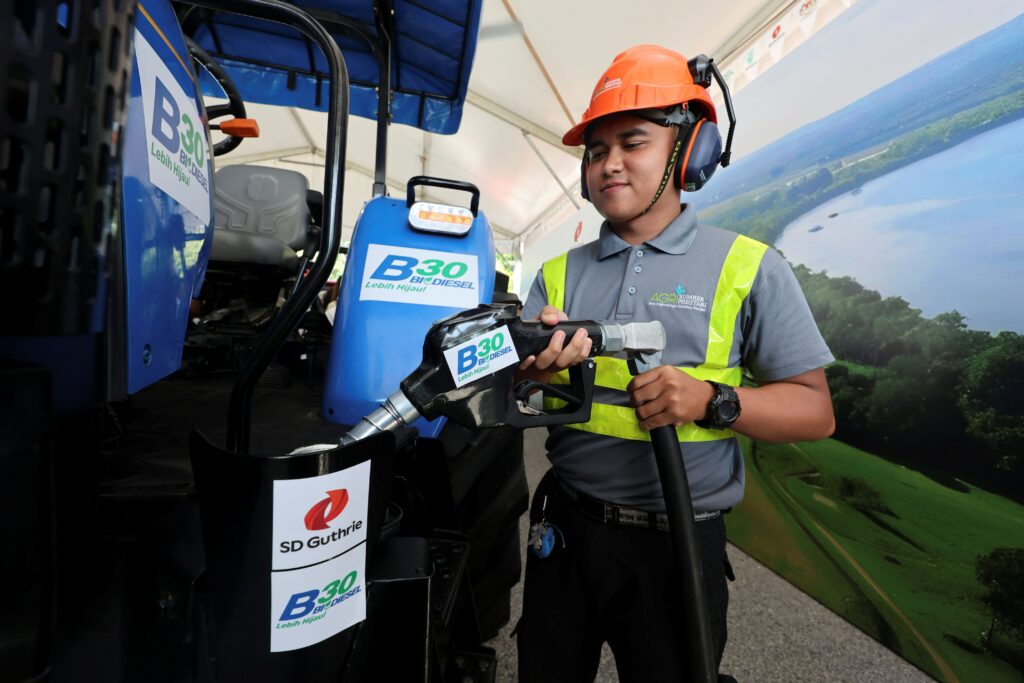
Malaysia Bolsters Low-Carbon Agenda with 19 Biodiesel Plants
Translated from Malay, summarized and contextualized by DistantNews.
TLDR
- Malaysia is strengthening its low-carbon energy agenda with the announcement of 19 biodiesel plants, aiming for a capacity of 1.5 million liters per month.
- While Malaysia's palm oil production makes biodiesel a strategic choice, it's positioned as a complementary fuel for energy transition rather than an immediate replacement for diesel.
- The industry's sustainability hinges on shifting towards waste-based feedstocks and improving processing efficiency and cost-competitiveness to ensure biodiesel remains a viable option.
Malaysia's commitment to a low-carbon future is underscored by its ambitious plan to develop 19 biodiesel plants, significantly boosting production capacity. Leveraging its position as a major palm oil producer, the nation views biodiesel as a strategic energy resource. However, the narrative here in Malaysia is clear: biodiesel is a crucial component of our energy transition, not a wholesale substitute for conventional diesel in the immediate term. The focus is on a sustainable shift, emphasizing the use of industrial waste like used cooking oil and palm oil processing residues. This not only reduces reliance on virgin resources but also champions a circular economy, a concept gaining traction in our national development plans.
While the current industry heavily relies on palm oil, the strategic direction is to vigorously promote the use of industrial waste as feedstock. This progressive approach is vital for long-term sustainability and aligns with Malaysia's broader environmental goals. The competitiveness of our biodiesel industry hinges on technological efficiency and cost structures. In a dynamic global energy market, biodiesel must strike a balance between price, performance, and reliability. Therefore, significant investment in advanced processing technologies, supply chain optimization, and feedstock innovation is paramount to ensure biodiesel remains a compelling choice for consumers and industries alike.
The national implementation of B10 biodiesel blends has seen positive reception. However, scaling up to higher blends like B15 or B20 requires careful consideration of engine compatibility, fuel systems, and maintenance protocols. While modern diesel engines can generally handle lower blends without major issues, higher concentrations may present specific challenges depending on vehicle manufacturer specifications and fuel standards. Biodiesel's susceptibility to oxidation and moisture absorption necessitates meticulous storage and handling procedures. Ensuring clear technical guidelines and ethical risk communication is crucial to maintaining consumer confidence and driving wider adoption across the nation. This is a conversation that resonates deeply within our automotive and energy sectors.
DistantNews Editorial
Originally published by Utusan Malaysia in Malay. Translated, summarized, and contextualized by our editorial team with added local perspective. Read our editorial standards.
More Stories

From Our Blog

What Gets Lost (and Found) When News Is Translated

The Critical Role of Diaspora Media in Global News

What Travellers Should Know About Countries with Restricted Press

A Digital Nomad's Guide to Following Local News

How the Same Story Looks Different in Different Countries
