


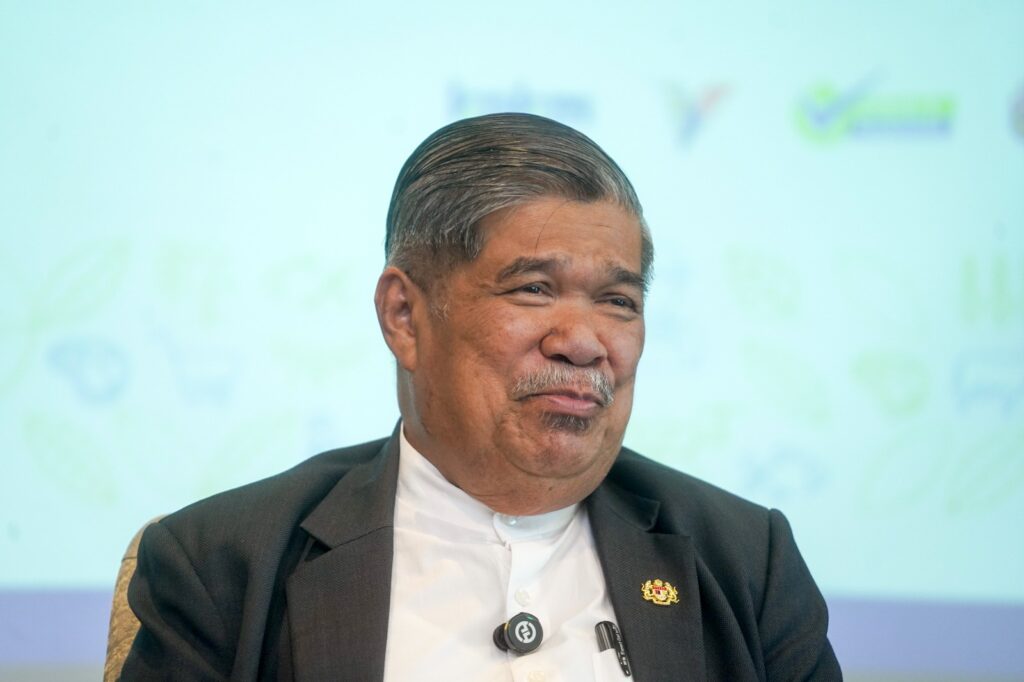
Malaysia's Food Supply Controlled, Stable for the Short Term
Translated from Malay, summarized and contextualized by DistantNews.
TLDR
- Malaysia's food supply remains stable and controlled in the short term despite global supply chain crises.
- The Minister of Agriculture and Food Security stated that rice supply is sufficient until year-end, with government buffer stocks increased to 300,000 metric tons.
- Domestic production covers nearly 100% of chicken and egg needs, but the country still relies on imports for animal feed components like corn and soy.
In a reassuring statement for consumers, Malaysia's Minister of Agriculture and Food Security, Datuk Seri Mohamad Sabu, has affirmed that the nation's food supply is under control and stable for the short term. This assurance comes at a critical juncture, with the global community grappling with widespread supply chain disruptions. The minister's declaration aims to alleviate concerns about potential shortages within Malaysia, emphasizing the government's proactive measures.
Specifically addressing the staple grain, Mohamad Sabu highlighted that the current rice supply is projected to be sufficient to meet demand through the end of the year. To further bolster this supply, the government has strategically increased its buffer stock to an impressive 300,000 metric tons. This move demonstrates a commitment to ensuring food security and mitigating the impact of any unforeseen external shocks.
Rice supply is sufficient until the end of the year, with the government also increasing buffer stock to 300,000 metric tons.
Furthermore, the domestic production of poultry and eggs is nearly self-sufficient, meeting close to 100% of the country's needs. This robust local output is a testament to the strength of Malaysia's agricultural sector in these key areas. However, the minister also candidly acknowledged ongoing reliance on imports for essential animal feed components, such as corn and soybeans. This dependency underscores a continuing challenge for the nation's food security strategy, highlighting areas where further development and investment may be necessary to achieve complete self-sufficiency.
The government's focus remains on maintaining stability and control over the food supply chain. While the short-term outlook is positive, the acknowledgment of import dependencies for certain feed components suggests that long-term strategies will need to address these vulnerabilities. For Malaysian consumers, the immediate message is one of security, with the government actively managing resources to ensure consistent availability of essential food items.
Chicken and egg supplies are almost 100 percent met through local production.
DistantNews Editorial
Originally published by Utusan Malaysia in Malay. Translated, summarized, and contextualized by our editorial team with added local perspective. Read our editorial standards.
More Stories



From Our Blog

What Gets Lost (and Found) When News Is Translated

The Critical Role of Diaspora Media in Global News

What Travellers Should Know About Countries with Restricted Press

A Digital Nomad's Guide to Following Local News

How the Same Story Looks Different in Different Countries
