


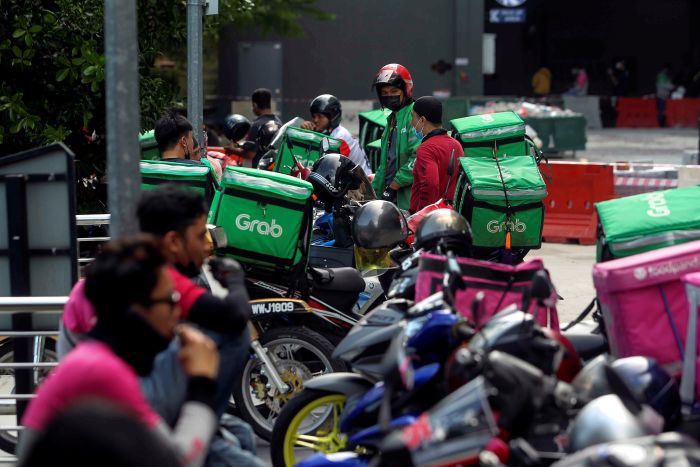
Malaysia's Gig Worker Act Fails to Assure 3.22 Million Workers on Welfare and Protection
Translated from Malay, summarized and contextualized by DistantNews.
TLDR
- The Gig Worker Act 2025, effective March 31, has yet to positively impact the welfare and protection of approximately 3.22 million gig economy workers in Malaysia.
- E-hailing drivers, food/parcel delivery riders, and freelance contractors report no tangible benefits from the new legislation.
- Workers claim platform providers continue to arbitrarily set unreasonable payment rates.
Despite the Gig Worker Act 2025 coming into effect on March 31, a significant portion of Malaysia's gig economy workforce, estimated at 3.22 million individuals, remains uncertain about their welfare and protection. Workers in key sectors, including e-hailing drivers, food and parcel delivery riders, and freelance contractors, have expressed a lack of positive impact from the new legislation. This sentiment suggests a disconnect between the law's intent and its practical application on the ground.
These gig workers report that platform providers continue to unilaterally dictate payment rates, often deeming them unreasonable. This ongoing issue raises concerns about fair compensation and the economic stability of those relying on gig work for their livelihood. The lack of perceived benefit from the Gig Worker Act 2025 fuels frustration and calls into question the effectiveness of the current regulatory framework in addressing the core concerns of the gig workforce.
From the perspective of Utusan Malaysia, this situation highlights a critical need for more robust enforcement and clearer communication regarding the Gig Worker Act 2025. While the law aims to provide a safety net, its current implementation appears insufficient to address the persistent challenges faced by gig workers, particularly concerning fair remuneration and platform accountability. We emphasize that the success of this act hinges on its ability to translate legislative intent into tangible improvements for the workers it is designed to protect. The current ambiguity and lack of impact underscore the urgency for stakeholders, including platform providers and government agencies, to collaborate more effectively to ensure the welfare and rights of Malaysia's growing gig economy workforce are genuinely secured.
They claim that platform providers still arbitrarily determine unreasonable payment rates.
DistantNews Editorial
Originally published by Utusan Malaysia in Malay. Translated, summarized, and contextualized by our editorial team with added local perspective. Read our editorial standards.
More Stories



From Our Blog

What Gets Lost (and Found) When News Is Translated

The Critical Role of Diaspora Media in Global News

What Travellers Should Know About Countries with Restricted Press

A Digital Nomad's Guide to Following Local News

How the Same Story Looks Different in Different Countries
