


May Day 2026: How Those Who Work Will Be Compensated
Translated from Greek, summarized and contextualized by DistantNews.
TLDR
- May 1, 2026, will be an official public holiday in Greece, falling on a Friday and creating a long weekend.
- Most businesses will be closed, with exceptions for essential services like healthcare, tourism, and continuous operation factories.
- The article details how workers, both hourly and salaried, will be compensated if they work on the holiday, including a 75% surcharge.
As May 1, 2026, approaches, Greek workers can look forward to a well-deserved long weekend, with the public holiday falling conveniently on a Friday. This year's May Day offers a welcome break, allowing for short getaways and a respite from the daily grind. While officially a day of observance for workers' rights, its practical application in Greece has long cemented it as a mandatory holiday, a decision reinforced by the Ministry of Labor.
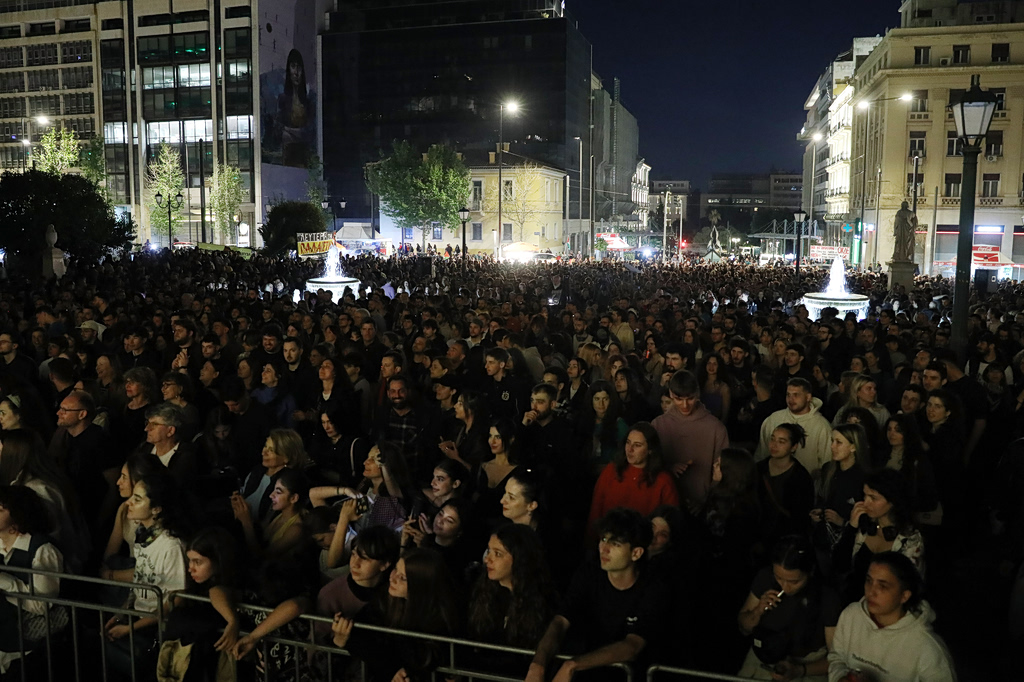
The significance of May Day in Greece extends beyond a simple day off. It is a day steeped in tradition, often marked by public gatherings, floral tributes, and a collective reflection on the labor movement's achievements and ongoing struggles. For many Greeks, it represents a moment to honor the sacrifices of past generations and to reaffirm the importance of workers' rights in contemporary society. The extended weekend provides a valuable opportunity for families to reconnect and for individuals to engage in leisure activities, a cherished aspect of Greek culture.
Understanding the specifics of holiday pay is crucial for employees. The article clarifies the compensation structure for those who will be working on May 1st. Hourly workers will receive their usual daily wage plus a 75% bonus for the hours worked. Salaried employees in businesses that operate on holidays will also receive a 75% bonus. For those in businesses that are typically closed but operate exceptionally on May 1st, the compensation is even more generous, including the 75% bonus and additional daily wages equivalent to their hours worked. This detailed breakdown ensures transparency and fairness, reflecting the legal framework designed to protect workers even on public holidays.
DistantNews Editorial
Originally published by Ta Nea in Greek. Translated, summarized, and contextualized by our editorial team with added local perspective. Read our editorial standards.
More Stories


From Our Blog

What Gets Lost (and Found) When News Is Translated

The Critical Role of Diaspora Media in Global News

What Travellers Should Know About Countries with Restricted Press

A Digital Nomad's Guide to Following Local News

How the Same Story Looks Different in Different Countries
