

Measles Epidemic Overwhelms Bangladesh Hospitals Amid Vaccination Disruptions
Translated from Malay, summarized and contextualized by DistantNews.
TLDR
- Bangladesh is facing an unprecedented measles outbreak, overwhelming hospitals with child patients.
- The epidemic is linked to disruptions in vaccination programs during a period of political unrest.
- Hospitals are operating beyond capacity, facing shortages of staff and ICU beds, leading to increased risks of transmission and complications.
The escalating measles epidemic in Bangladesh presents a grave public health crisis, straining our healthcare system to its limits. The sheer volume of child patients admitted daily, coupled with the severe disruption to our vital vaccination programs during a period of political upheaval, has created a perfect storm. This is not merely a disease outbreak; it is a reflection of systemic challenges and the devastating impact of instability on public health infrastructure.
Most of our efforts are now focused on measles patients, the majority of whom are children. We are now unable to provide intensive care unit (ICU) treatment for other infectious disease patients.
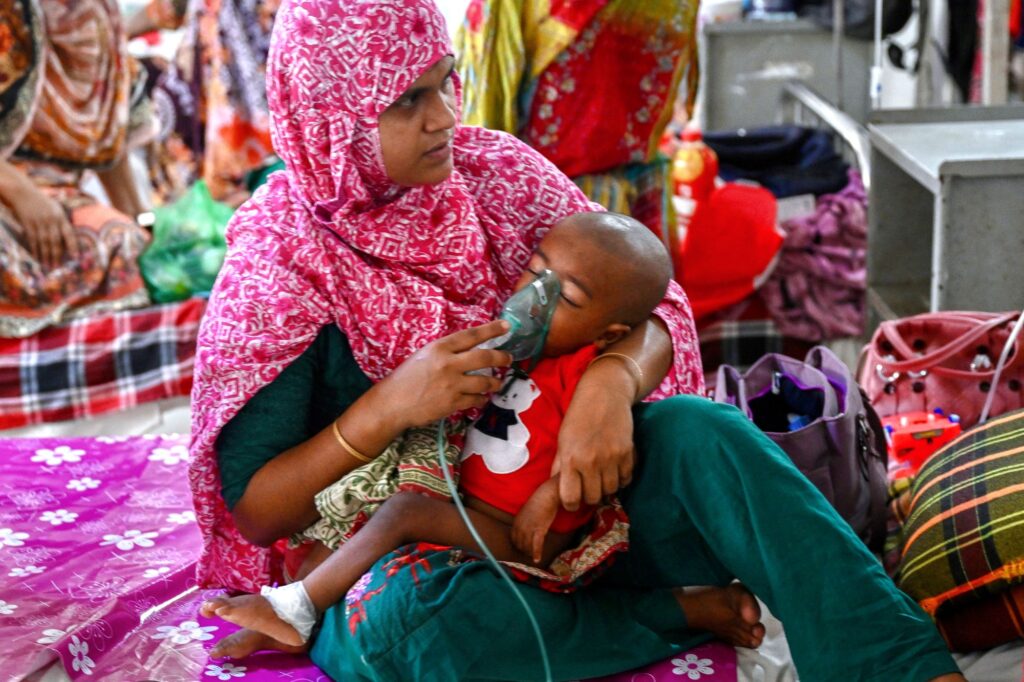
Our hospitals, particularly in Dhaka, are struggling to cope. The Infectious Diseases Hospital in Mohakhali is operating well beyond its capacity, with patients occupying corridors. This overcrowding, as Dr. Ariful Bashar notes, makes isolation difficult and increases the risk of further transmission, exacerbated by a shortage of nurses. The fact that parents are allowed to stay with their children, while necessary for care, highlights the desperate measures being taken and the inherent risks involved.
Ensuring the isolation of measles patients is now a challenge, and we do not have enough nurses to handle this emergency.
Compounding the crisis, pediatric hospitals like the Bangladesh Shishu Hospital and Institute are seeing a rise in severe complications among children. As Professor Dr. Mohammad Mahbubul Huq explains, measles weakens a child's immunity, making them vulnerable to secondary infections like pneumonia and diarrhea, which can quickly become critical. This situation is unlike anything we have witnessed before, with hospitals nationwide reporting being overwhelmed.
As a result, we have to allow parents or guardians to stay with their children in the hospital, which increases the risk of transmission.
From our perspective in Bangladesh, this crisis underscores the critical importance of sustained public health initiatives, especially vaccination programs, and the need for political stability to ensure their uninterrupted implementation. While international coverage might focus on the statistics of cases and deaths, we are living the reality of overwhelmed facilities, dedicated but exhausted healthcare workers, and the heartbreaking vulnerability of our children. This is a stark reminder that global health security is intrinsically linked to stability and robust healthcare systems within nations.
When measles patients lose immunity, they become more susceptible to other infections such as pneumonia and diarrhea. In these situations, the situation can become critical.
DistantNews Editorial
Originally published by Utusan Malaysia in Malay. Translated, summarized, and contextualized by our editorial team with added local perspective. Read our editorial standards.
More Stories


From Our Blog

What Gets Lost (and Found) When News Is Translated

The Critical Role of Diaspora Media in Global News

What Travellers Should Know About Countries with Restricted Press

A Digital Nomad's Guide to Following Local News

How the Same Story Looks Different in Different Countries
