


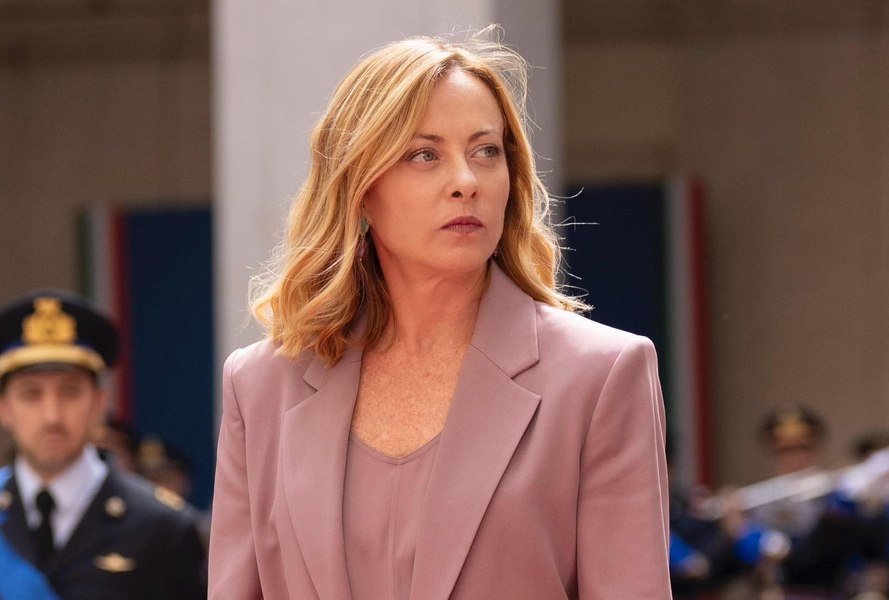
Meloni criticizes AI-generated fake images, including deepfake of herself
Translated from Romanian, summarized and contextualized by DistantNews.
TLDR
- Italian Prime Minister Giorgia Meloni criticized the spread of AI-generated fake images, including a deepfake of herself in lingerie.
- Meloni stated that these images, shared as real on social media, can be used to manipulate public opinion and damage reputations.
- She urged online users to verify information before sharing, warning that the deepfake phenomenon poses a significant risk beyond her personal case.
Italian Prime Minister Giorgia Meloni has publicly denounced the proliferation of artificial intelligence-generated images, particularly a deepfake depicting her in intimate apparel that has gone viral. Meloni, known for her strong stance on national identity and traditional values, addressed the issue with a characteristic blend of seriousness and sharp wit.
In the last few days, several fake images of me have circulated, generated with the help of artificial intelligence and presented as real by some zealous opponents. I must admit that the person who made it, at least in the attached case, improved me a lot.
In a Facebook post, Meloni acknowledged the fabricated image, humorously noting that the creator had "greatly improved" her appearance. However, she quickly pivoted to the grave implications of such technology, emphasizing that while she can defend herself, many others cannot. This highlights a key concern for many Italians: the potential for malicious actors to exploit advanced technology for disinformation campaigns, impacting individuals and democratic processes alike.
The Italian government has been actively discussing and implementing measures to combat the misuse of deepfake technology. Meloni's statement underscores the urgency of these efforts, framing the issue not just as a personal attack but as a broader societal threat. From an Italian perspective, the rapid advancement of AI and its potential for misuse resonate deeply, given the country's rich cultural heritage and the importance placed on authenticity and reputation.
The problem goes beyond my person. These images can deceive, manipulate, and harm anyone. I can defend myself, but many others cannot.
Meloni's call for responsibility online – "Check before you believe, think before you share" – reflects a growing awareness within Italy about the need for digital literacy and critical consumption of online content. The unique Italian angle here is how this technological challenge intersects with cultural values and political discourse, making the fight against disinformation a matter of national importance.
Today it happens to me, tomorrow it can happen to anyone. Check before you believe and think before you share.
DistantNews Editorial
Originally published by Adevărul in Romanian. Translated, summarized, and contextualized by our editorial team with added local perspective. Read our editorial standards.
More Stories

From Our Blog

What Gets Lost (and Found) When News Is Translated

The Critical Role of Diaspora Media in Global News

What Travellers Should Know About Countries with Restricted Press

A Digital Nomad's Guide to Following Local News

How the Same Story Looks Different in Different Countries
