


Memory Chip Costs Hit EVs as China's BYD Raises Driving-Tech Price
Translated from English, summarized and contextualized by DistantNews.
TLDR
- China's electric vehicle maker BYD is increasing the price of its high-end driver-assistance system by 21% due to rising global memory chip costs.
- The DiPilot 300 assisted-driving system, which uses lidar and requires significant memory for data processing, will see its price rise from 9,900 yuan to 12,000 yuan starting Friday.
- Analysts predict that premium cars will be the next major consumer product category significantly impacted by the memory chip 'super cycle,' with mid-range models bearing the brunt of price hikes.
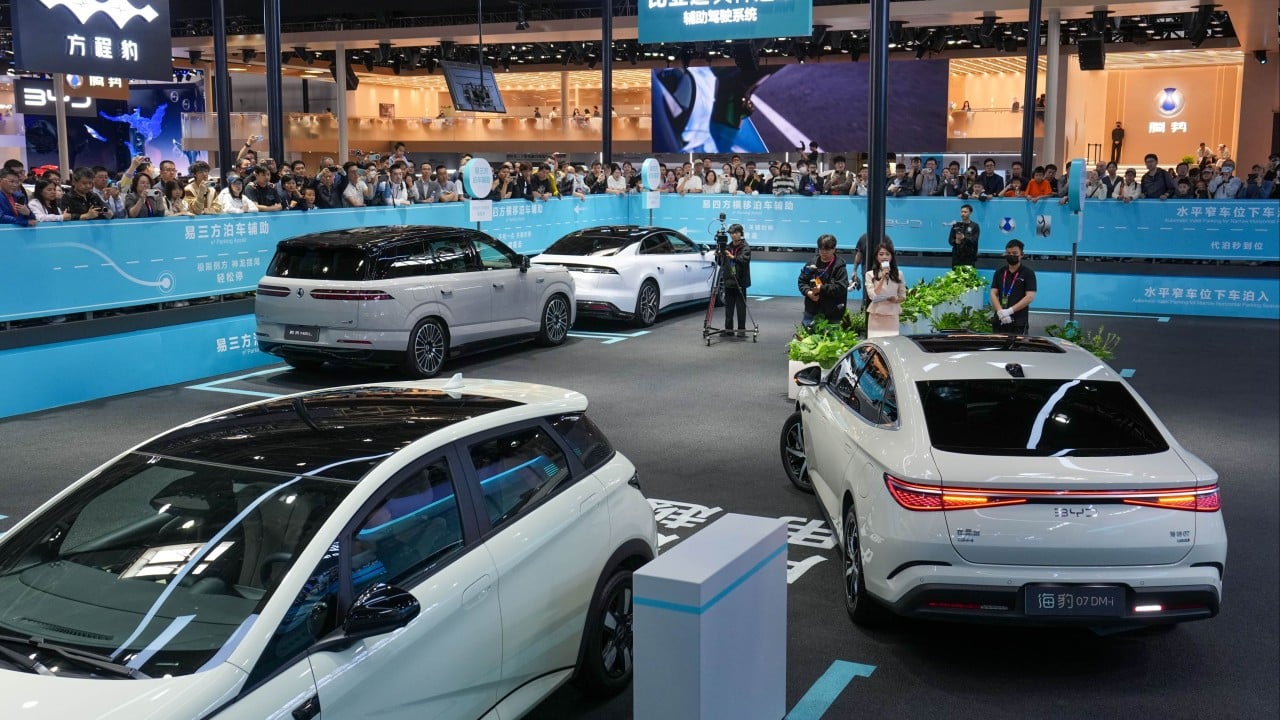
The escalating costs of memory chips are beginning to impact the automotive sector, with China's electric vehicle giant BYD announcing a substantial 21% price increase for its advanced driver-assistance system. This move, attributed to the sharp rise in global storage hardware costs, signals a broader trend affecting consumer electronics and now extending to vehicles. The optional DiPilot 300 system, crucial for features like highway navigation and self-parking, will become more expensive, reflecting the increased component expenses.
the sharp rise in global storage hardware costs
This price adjustment by BYD, as reported by the South China Morning Post, highlights the vulnerability of even leading manufacturers to global supply chain fluctuations and component costs. The system's reliance on lidar sensors and substantial memory for data buffering and processing makes it particularly susceptible to the current 'memory super cycle.' Analysts anticipate that premium car models, which heavily depend on sophisticated technology and high-performance chips, will be the next segment to face significant price hikes.
High-end car models rely heavily on lidar, multichannel high-pixel cameras and millimetre-wave radar. They require high-performance chips paired with large-capacity, high-bandwidth memory.
While high-end buyers may be less sensitive to price changes, mid-range models are expected to bear the brunt of these increases. This situation underscores the interconnectedness of global technology markets, where a shortage or price surge in one component, like memory chips, can ripple through various industries. The impact is not limited to cars; other consumer electronics like tablets and virtual reality headsets are also facing similar price adjustments due to these rising costs and supply chain instability, demonstrating the pervasive nature of this challenge.
mid-range models would “bear the brunt of it”, while high-end buyers were “generally less sensitive to price changes”
DistantNews Editorial
Originally published by South China Morning Post in English. Translated, summarized, and contextualized by our editorial team with added local perspective. Read our editorial standards.
More Stories



From Our Blog

Countries Without a Free Press: What You Need to Know

What Press Freedom Means for the News You Read

What Gets Lost (and Found) When News Is Translated

The Critical Role of Diaspora Media in Global News

What Travellers Should Know About Countries with Restricted Press
