


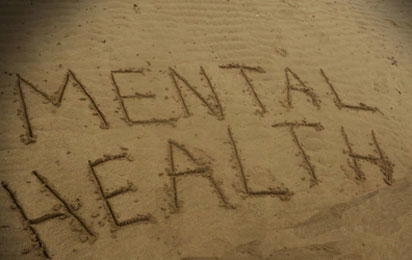
Mental Health and Addiction in Nigeria’s Classrooms
Translated from English, summarized and contextualized by DistantNews.
TLDR
- A significant mental health and substance abuse crisis is unfolding among Nigerian students, with millions affected by drug use disorders.
- Students are increasingly turning to substances like tramadol and cannabis to cope with anxiety and academic pressure, often misunderstood by educators and families as indiscipline.
- Despite limited national data, studies indicate a growing scale of substance use intersecting with mental health issues, posing a substantial public health challenge.
Nigeria is grappling with a silent epidemic that is increasingly impacting its youth: the intersection of mental health challenges and substance abuse within educational institutions. As the nation observes Mental Health Awareness Month, the stark reality of an estimated 14.3 million Nigerians aged 15-64 having used drugs, with millions suffering from related disorders, according to UNODC data from 2018, cannot be ignored. This crisis is no longer an abstract concern; it is a tangible struggle playing out in classrooms across the country.
Across Nigeria, mental health and substance use have now become a pandemic quietly unfolding in classrooms and streets in various cities and communities.
Young Nigerians, particularly students in secondary schools and universities, are facing immense pressure, leading to rising rates of anxiety and depression. In their search for relief, many are turning to readily available substances such as tramadol, cannabis, and codeine. What might appear to teachers and parents as mere indiscipline or a moral failing is, in many instances, a cry for help from individuals battling underlying mental health conditions. This misinterpretation further exacerbates the problem, preventing timely and appropriate intervention.
The money is staggering, yet only a fraction of what actually reaches the streets is ever stopped.
The scale of the issue is alarming, with reports suggesting Nigeria's prevalence of substance use surpasses global averages. While comprehensive national statistics are scarce, localized studies paint a grim picture. The National Drug Law Enforcement Agency (NDLEA) has reported seizing billions of naira worth of drugs, highlighting the vast flow of illicit substances into the country, primarily through major ports. This indicates that the problem is not just about demand but also a significant supply chain issue that directly impacts vulnerable youth.
More than half (57%) of the 700 adolescents surveyed in Calabar had experimented with psychoactive substances.
From a Nigerian perspective, as highlighted by Vanguard, this crisis demands urgent attention and a shift in how we perceive and address mental health and addiction. It is crucial to move beyond stigmatization and recognize these issues as public health concerns requiring accessible treatment and support systems. The narrative needs to change from one of moral failing to one of health and recovery, ensuring that students receive the help they need to overcome these challenges and build a healthier future for themselves and the nation.
Approximately 24.5% of the 784 university students investigated had used substances such as cannabis, tramadol, or codeine, with a notable proportion (17%)
DistantNews Editorial
Originally published by Vanguard in English. Translated, summarized, and contextualized by our editorial team with added local perspective. Read our editorial standards.
More Stories


From Our Blog

How the Same Story Looks Different in Different Countries

What Gets Lost (and Found) When News Is Translated

The Critical Role of Diaspora Media in Global News

What Travellers Should Know About Countries with Restricted Press

A Digital Nomad's Guide to Following Local News
