

Mexican Senate Approves Entry of 96 Armed U.S. Marines for Training
Translated from Spanish, summarized and contextualized by DistantNews.
TLDR
- The Mexican Senate has authorized the entry of 96 armed U.S. Marines into Mexico for training purposes.
- The marines will participate in the
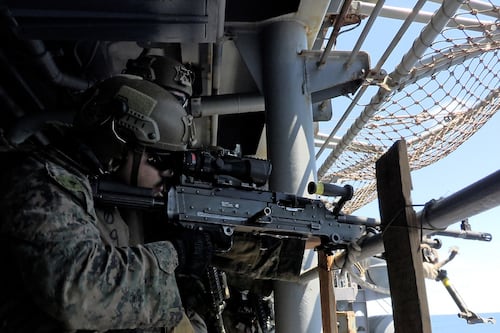
The Mexican Senate's decision to allow 96 armed U.S. Marines into the country for training purposes, as reported by El Universal, highlights a complex and often debated aspect of bilateral relations. While framed as a capacity-building exercise for the Mexican Navy's Special Operations Units, the presence of foreign military personnel, especially armed ones, invariably sparks discussion and concern among the Mexican public and political spectrum.
This authorization, approved by a significant majority in the Senate, is for specific multinational exercises like "FÉNIX 2026" and involves distinct phases for the deployment of U.S. Navy SEALs and other marine units. The logistical details, including the use of U.S. Air Force transport aircraft and arrival at Toluca International Airport, underscore the scale and nature of this joint operation. The Senate's role in approving such requests, as mandated by the constitution, ensures a degree of oversight, yet the underlying implications for national sovereignty and security are always a point of contention.
From a Mexican perspective, as covered by El Universal, the narrative often balances the need for international cooperation in security matters with a deep-seated vigilance against foreign intervention. While the official justification centers on specialized training and multinational exercises, the public discourse frequently grapples with the historical context of U.S. military presence in Mexico and the potential for overreach. This event, therefore, is not just a technical military exchange but a sensitive political maneuver that requires careful navigation to maintain public trust and national autonomy.
DistantNews Editorial
Originally published by El Universal in Spanish. Translated, summarized, and contextualized by our editorial team with added local perspective. Read our editorial standards.
More Stories
From Our Blog

What Press Freedom Means for the News You Read

What Gets Lost (and Found) When News Is Translated

The Critical Role of Diaspora Media in Global News

What Travellers Should Know About Countries with Restricted Press

A Digital Nomad's Guide to Following Local News
