

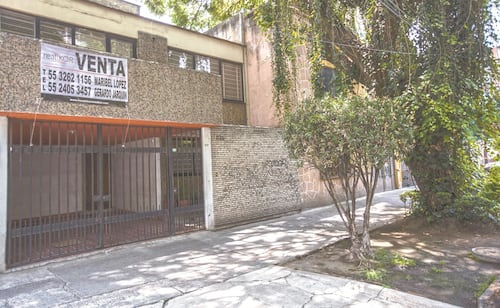
Mexico City Collects Over 9 Billion Pesos Annually from Property Acquisition Tax
Translated from Spanish, summarized and contextualized by DistantNews.
TLDR
- Mexico City's government collected over 9.7 billion pesos annually from the Property Acquisition Tax (ISAI) in 2024 and 2025.
- This tax is levied on the purchase and sale of real estate within the capital.
- The ISAI is a significant revenue source, though secondary to payroll and property taxes, and its collection fluctuates with the real estate market's transaction volume.
The capital's finances continue to show resilience, with the Impuesto sobre Adquisición de Inmuebles (ISAI) consistently generating substantial revenue. The latest figures reveal that Mexico City has collected over 9.7 billion pesos annually from this property acquisition tax in both 2024 and 2025. This demonstrates a stable, albeit slightly fluctuating, income stream derived from real estate transactions within the city.
This consistent performance underscores the importance of the real estate market to the city's economy. While the ISAI is not the primary source of revenue, ranking behind payroll and property taxes, its significant yield highlights its crucial role in funding public services and infrastructure. The data, obtained through transparency requests by EL UNIVERSAL, provides a clear picture of the fiscal health tied to property dealings.
It is a tax that is collected on real estate transactions of purchase and sale, basically; the two main taxes in the City are the Payroll Tax and the property tax.
Officials note that the ISAI's collection is directly linked to the volume of real estate transactions. The slight decrease from 2024 to 2025, while still substantial, indicates a potential normalization or minor cooling in the market after a period of strong activity. However, the reported growth in the first quarter of 2026, exceeding projections, suggests the market remains dynamic. This tax is a key indicator of economic activity and a vital component of the city's fiscal strategy, reflecting the ongoing vibrancy of Mexico City's property sector.
It comes after these and depends on the number of real estate transactions that occur in a given year.
DistantNews Editorial
Originally published by El Universal in Spanish. Translated, summarized, and contextualized by our editorial team with added local perspective. Read our editorial standards.
More Stories


From Our Blog

What Press Freedom Means for the News You Read

What Gets Lost (and Found) When News Is Translated

The Critical Role of Diaspora Media in Global News

What Travellers Should Know About Countries with Restricted Press

A Digital Nomad's Guide to Following Local News
