


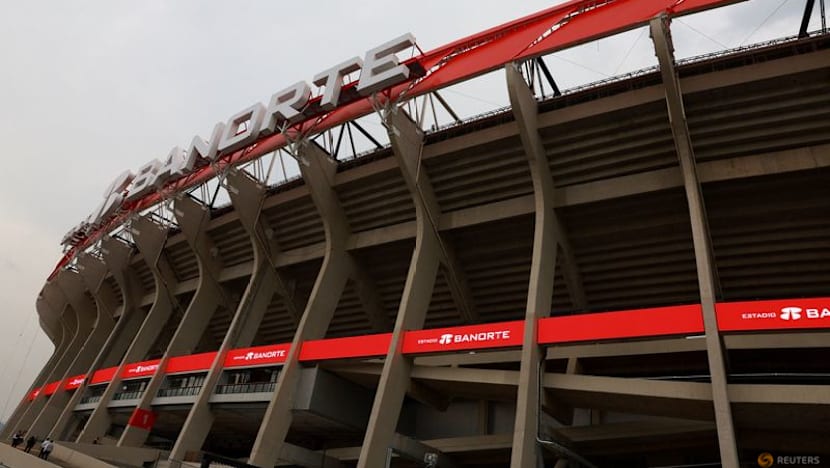
Mexico to cut school year short ahead of World Cup, sparking backlash
Translated from English, summarized and contextualized by DistantNews.
TLDR
- Mexican authorities announced the school year will end over a month early, on June 5, due to a heat wave and the upcoming World Cup.
- The decision impacts over 23.4 million students and has drawn backlash from parents and business associations concerned about reduced learning time and disruptions.
- Some states, like Jalisco, have stated they will not comply with the early closure, opting to keep schools open as originally scheduled.
The decision by Mexico's Education Secretary to prematurely end the school year, citing heat and the World Cup, has sparked considerable controversy. While the Secretary, Mario Delgado, framed it as a necessary measure due to high temperatures and the nation's excitement for the upcoming FIFA World Cup, the move has been met with widespread criticism. Parents are concerned about the financial and logistical burden of finding childcare for an extended summer break, on top of existing educational challenges.
We're going to end the school year on Jun 5 because many states are already experiencing high temperatures, and there's also the issue of the World Cup.
Think tanks like Mexico Evalua have warned that this decision will further exacerbate learning loss and deepen educational inequalities, a sentiment echoed by the Coparmex business association, which highlighted potential disruptions to family schedules and the labor market. The early closure is seen by many as a hasty and ill-considered policy.
There is no definitive calendar yet. It's important that the children don't miss classes either.
Adding to the dissent, officials in Jalisco state have declared their intention to defy the federal directive, maintaining the original school calendar. They argue that classes should only be suspended for the brief periods directly related to the World Cup matches hosted in Guadalajara, prioritizing educational continuity. This regional pushback underscores the significant opposition to the early closure and raises questions about the central government's authority and the practical implications of such a sweeping decision.
Moving up the end of the school year will affect more than 23.4 million students by further reducing learning time, amid existing educational underachievement and growing inequalities.
From a Mexican perspective, the World Cup is a moment of national pride and a significant cultural event. However, this decision highlights a tension between leveraging the excitement of the tournament and ensuring the fundamental right to education. While international coverage might focus on the logistical oddity, for us, it's about the impact on millions of children's futures and the government's ability to balance national celebrations with educational responsibilities.
hasty
DistantNews Editorial
Originally published by CNA in English. Translated, summarized, and contextualized by our editorial team with added local perspective. Read our editorial standards.
More Stories


From Our Blog

What Gets Lost (and Found) When News Is Translated

The Critical Role of Diaspora Media in Global News

What Travellers Should Know About Countries with Restricted Press

A Digital Nomad's Guide to Following Local News

How the Same Story Looks Different in Different Countries
