

Middle East: China calls for complete cessation of hostilities - Tehran will only accept a 'fair and comprehensive agreement'
Translated from Greek, summarized and contextualized by DistantNews.
TLDR
- China's Foreign Minister Wang Yi called for a complete cessation of hostilities in the Middle East.
- Wang urged the US and Iran to reopen the Strait of Hormuz as soon as possible.
- Iran stated it would only accept a 'fair and comprehensive agreement' in negotiations and affirmed its right to peaceful nuclear energy.
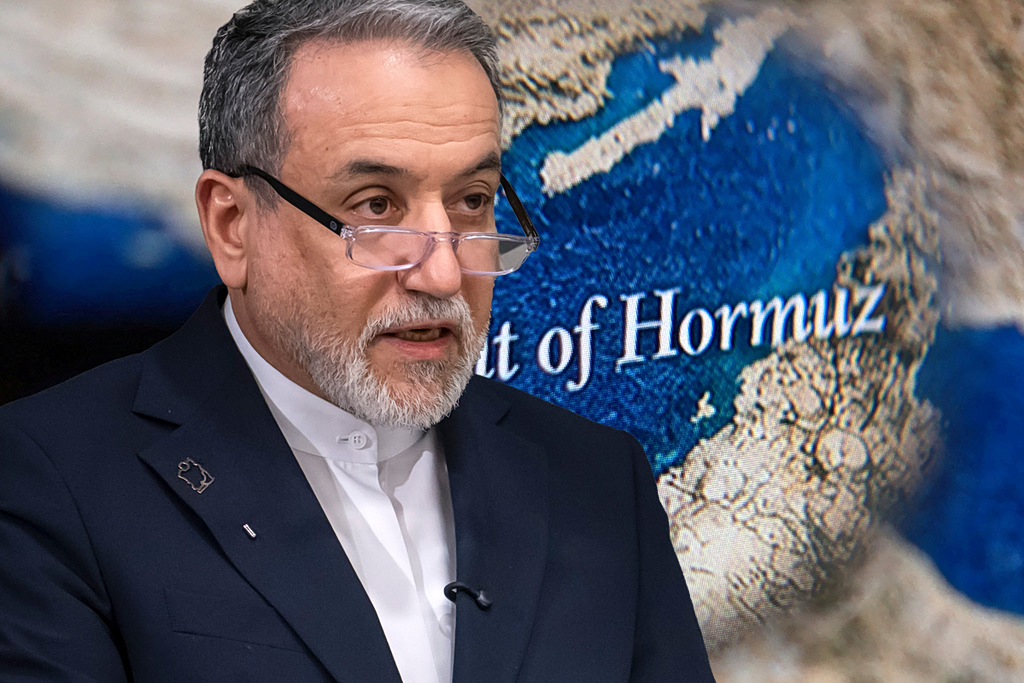
China is urging for an immediate de-escalation in the Middle East, with Foreign Minister Wang Yi calling for a complete halt to the ongoing hostilities. Speaking in Beijing during talks with his Iranian counterpart, Abbas Araghchi, Wang stressed that a resumption of conflict is unacceptable and that persistent negotiations are paramount. He emphasized that the current regional situation is at a critical juncture, transitioning from war towards peace, and called upon all parties involved to restore normal and safe passage through the Strait of Hormuz.
The China believes that a complete cessation of hostilities is necessary, that the resumption of conflict is unacceptable, and that persistence in negotiations is particularly important.
On the sensitive issue of Iran's nuclear program, China expressed its appreciation for Tehran's commitment to not developing nuclear weapons, while simultaneously recognizing Iran's legitimate right to utilize nuclear energy for peaceful purposes. This stance reflects China's long-held position of supporting Iran's peaceful nuclear ambitions while opposing the development of nuclear weapons.
The current regional situation is at a critical point of transition from war to peace.
From the Iranian perspective, Foreign Minister Araghchi conveyed that while Iran remains prepared to defend itself against any aggression, it is equally serious and steadfast in its diplomatic efforts. He affirmed that Iran will do everything possible to protect its legitimate rights and interests in negotiations, and crucially, that Tehran will only accept a 'fair and comprehensive agreement.' This underscores Iran's determination to secure a deal that addresses its concerns and respects its sovereignty.
China appreciates Iran's commitment not to develop nuclear weapons, while recognizing its legitimate right to the peaceful use of nuclear energy.
The diplomatic exchanges occur against a backdrop of significant global energy market disruption caused by the recent escalations. The Strait of Hormuz, a vital chokepoint for global hydrocarbon trade, has been a focal point of international concern. While Araghchi avoided direct comment on specific US initiatives like the 'Freedom of Navigation' plan, he indicated 'great progress' in negotiations aimed at ending the conflict. This visit by the Iranian minister to Beijing marks his first trip to China since the recent escalation of US-Israeli actions against Iran, highlighting the growing importance of China's role in mediating regional tensions and its influence in international energy security discussions.
Iran, just as it has shown strength in defending itself and remains fully prepared to face any attack, is also serious and stable in the field of diplomacy.
DistantNews Editorial
Originally published by Ta Nea in Greek. Translated, summarized, and contextualized by our editorial team with added local perspective. Read our editorial standards.
More Stories

From Our Blog

What Gets Lost (and Found) When News Is Translated

The Critical Role of Diaspora Media in Global News

What Travellers Should Know About Countries with Restricted Press

A Digital Nomad's Guide to Following Local News

How the Same Story Looks Different in Different Countries
