



Middle powers urged to hedge bets, not pick sides in US-China rivalry
Translated from English, summarized and contextualized by DistantNews.
At a glance
Analysis
Named sources
Context piece
- Middle powers should avoid choosing sides in the strategic competition between the United States and China, a forum in Beijing advised.
- Speakers suggested that hedging bets and seeking diversified partnerships would better preserve these nations' interests and diplomatic flexibility.
- The Association of Southeast Asian Nations was cited as an example of middle powers successfully balancing relations with both superpowers.
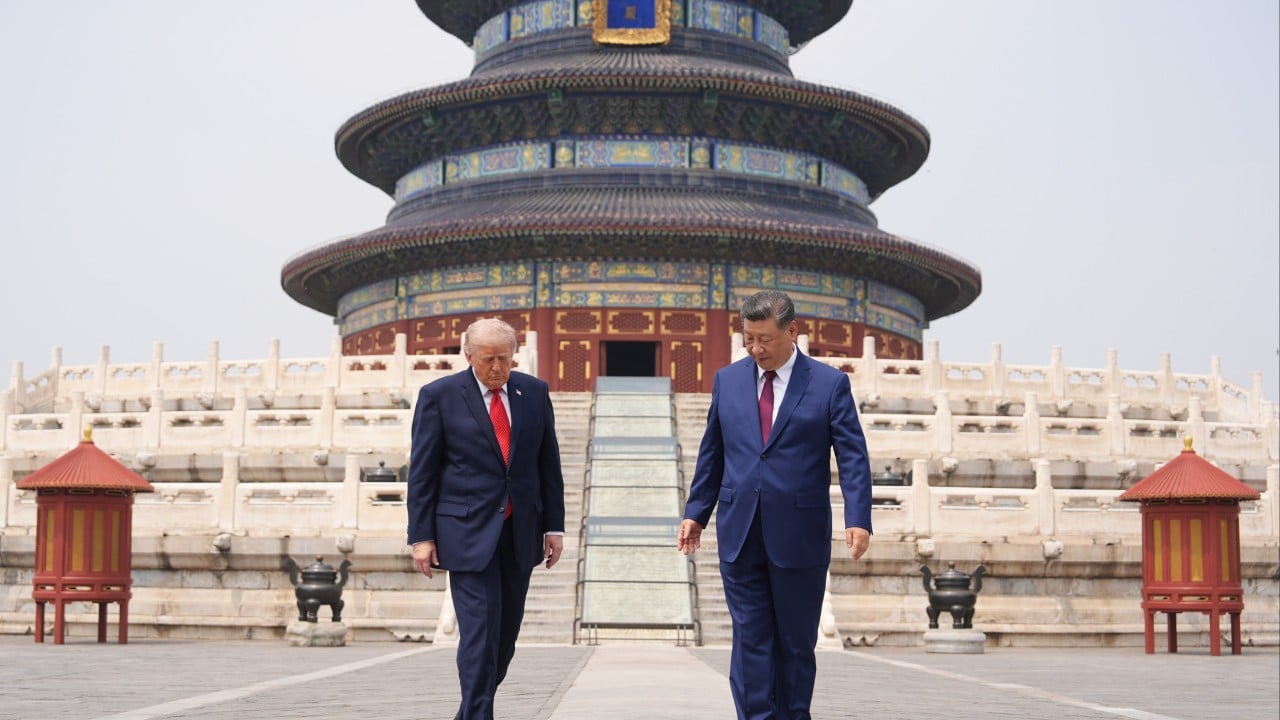
Middle powers are advised to "hedge their bets" rather than align with either the United States or China amid their intensifying strategic competition, according to a forum held at Tsinghua University in Beijing.
So during the period of bipolarisation, with China and the US now engaged in some kind of strategic competition, probably it is wise for middle powers not to take sides.
Jia Qingguo, a professor of international studies at Peking University, argued that taking sides would "limit their diplomatic space and limit their capability to preserve their interests." He suggested that a strategy of hedging, which involves developing an "insurance policy" as described by Jonathan Fried, chairman of the Canadian National Committee for Pacific Economic Cooperation, is a wiser approach.
Fried's perspective highlights the importance of diversification, emphasizing that middle powers should cultivate multiple partnerships. This strategy allows them to maintain flexibility and protect their national interests in a complex geopolitical landscape.
would limit their diplomatic space and limit their capability to preserve their interests
The Association of Southeast Asian Nations (ASEAN) was presented as a successful model of this hedging strategy. Member states have prioritized maintaining strong relationships with both Beijing and Washington, recognizing China as a key economic partner and the U.S. as a significant investor. This balanced approach allows ASEAN nations to benefit from both relationships without being drawn into the broader geopolitical rivalry.
Hedging means developing an insurance policy.
DistantNews Editorial
Originally published by South China Morning Post in English. Translated, summarized, and contextualized by our editorial team with added local perspective. Read our editorial standards.
More Stories

From Our Blog

Countries Without a Free Press: What You Need to Know

What Press Freedom Means for the News You Read

What Gets Lost (and Found) When News Is Translated

The Critical Role of Diaspora Media in Global News

What Travellers Should Know About Countries with Restricted Press
