


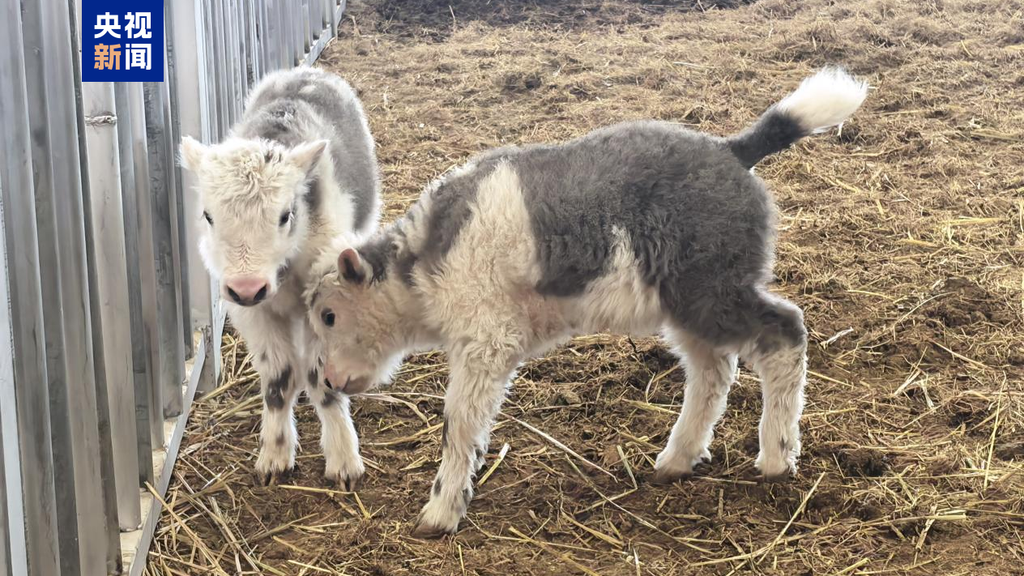
Milestone in Mass Animal Cloning: China Creates 10 Yaks Simultaneously
Translated from Greek, summarized and contextualized by DistantNews.
TLDR
- China has successfully cloned ten yaks in a single batch, marking a significant milestone in animal reproduction technology.
- The achievement, developed over three years using a combination of whole-genome selection and somatic cell cloning, was announced in Lhasa, Tibet.
- This advancement aims to accelerate yak breeding, improve genetic quality, and potentially conserve endangered wild yak populations.
In a groundbreaking development for animal husbandry and genetic research, China has announced the successful mass cloning of ten yaks. This remarkable feat, achieved through a sophisticated system developed over three years, represents a significant leap forward in cloning technology and holds immense promise for the future of yak farming in the Tibet Autonomous Region (Xizang).
The scientific team behind this achievement has combined whole-genome selection with somatic cell cloning, a method that has proven highly effective in producing viable offspring. The fact that all ten cloned yaks were born naturally underscores the robustness and potential industrial applicability of this technology. This follows the birth of the world's first cloned yak in July 2025, named Namco 1#, demonstrating a rapid progression in this specialized field.
From the perspective of Xizang, where yak herding is a cornerstone of the local economy and culture, this breakthrough is particularly significant. The region's 15th Five-Year Plan (2026-2030) prioritizes the development of yak farming. Traditional breeding methods are often slow and can lead to a decline in genetic quality. China's new cloning technique promises to drastically reduce breeding cycles to under five years, enabling the precise selection of desirable traits such as rapid growth, disease resistance, and adaptation to high-altitude environments. This not only enhances productivity but also offers a vital tool for conserving the genetic diversity of yaks, including the endangered golden wild yak, whose population is estimated to be just over 300.
This technological advancement is viewed not merely as a scientific achievement but as a strategic move to bolster economic development and preserve a vital part of Tibet's natural heritage. The ability to rapidly reproduce high-value animals will transform the livestock industry in the region, ensuring both economic prosperity and the long-term survival of these iconic animals. The implications extend beyond Tibet, positioning China at the forefront of advanced animal cloning and genetic resource management on a global scale.
DistantNews Editorial
Originally published by Ta Nea in Greek. Translated, summarized, and contextualized by our editorial team with added local perspective. Read our editorial standards.
More Stories



From Our Blog

What Gets Lost (and Found) When News Is Translated

The Critical Role of Diaspora Media in Global News

What Travellers Should Know About Countries with Restricted Press

A Digital Nomad's Guide to Following Local News

How the Same Story Looks Different in Different Countries
