


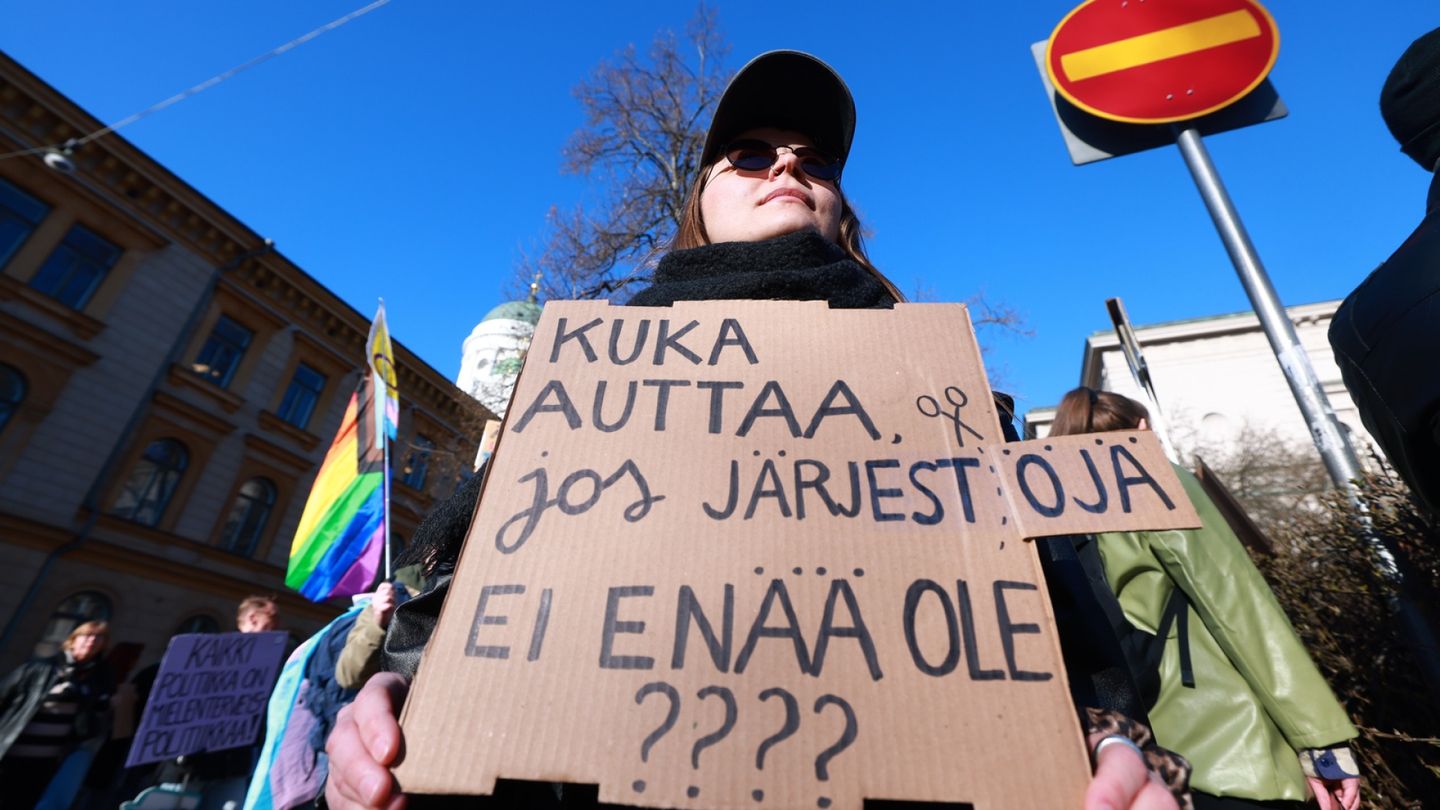
Minister Criticizes Social Sector Umbrella Group Soste Amid Welfare Cut Protests
Translated from Finnish, summarized and contextualized by DistantNews.
TLDR
- Social and health organizations' umbrella group Soste is criticized by Minister Wille Rydman for allegedly receiving excessive state support relative to its benefits.
- Rydman described the criticized organizations as those whose members are other organizations, not individuals, and whose staff may have political ties.
- Soste organized a protest against welfare cuts during the government's budget review, supported by over 130 organizations.
The umbrella organization for social and health sector NGOs, Soste, finds itself at the center of a political debate, with Minister of Social Affairs and Health Wille Rydman publicly questioning its value and state funding. Rydman has pointed to organizations like Soste as examples of entities receiving disproportionate state support for the benefits they provide, employing a vague description that has led to speculation about which specific organizations are being targeted. He characterizes their work as primarily "paper-shuffling," involving participation in working groups and the dissemination of press releases and emails.
Rydman's critique, however, has been met with resistance and concern from the sector. Soste itself has been actively engaged in public advocacy, notably organizing a significant protest titled "End Welfare Cuts" during the government's spring budget session. This demonstration garnered support from over 130 organizations, highlighting the broad coalition that relies on and benefits from the social and health sector's work. The protest aimed to voice opposition to the government's austerity measures and their potential impact on essential services.
From the perspective of organizations like Soste and its supporters, Rydman's comments appear to dismiss the crucial role these NGOs play in Finnish society. These organizations often act as vital intermediaries, providing essential services, advocating for vulnerable populations, and contributing to policy discussions. Their structure, where member organizations form a collective body, is designed to amplify their impact and ensure a unified voice on critical social issues. The accusation of political ties and inefficient operations overlooks the complex and often underfunded nature of social work, and the significant societal value these groups generate, often filling gaps left by public services. The debate underscores a fundamental tension between fiscal conservatism and the recognized need for robust social welfare infrastructure in Finland.
DistantNews Editorial
Originally published by Helsingin Sanomat in Finnish. Translated, summarized, and contextualized by our editorial team with added local perspective. Read our editorial standards.
More Stories


From Our Blog

What Gets Lost (and Found) When News Is Translated

The Critical Role of Diaspora Media in Global News

What Travellers Should Know About Countries with Restricted Press

A Digital Nomad's Guide to Following Local News

How the Same Story Looks Different in Different Countries
