


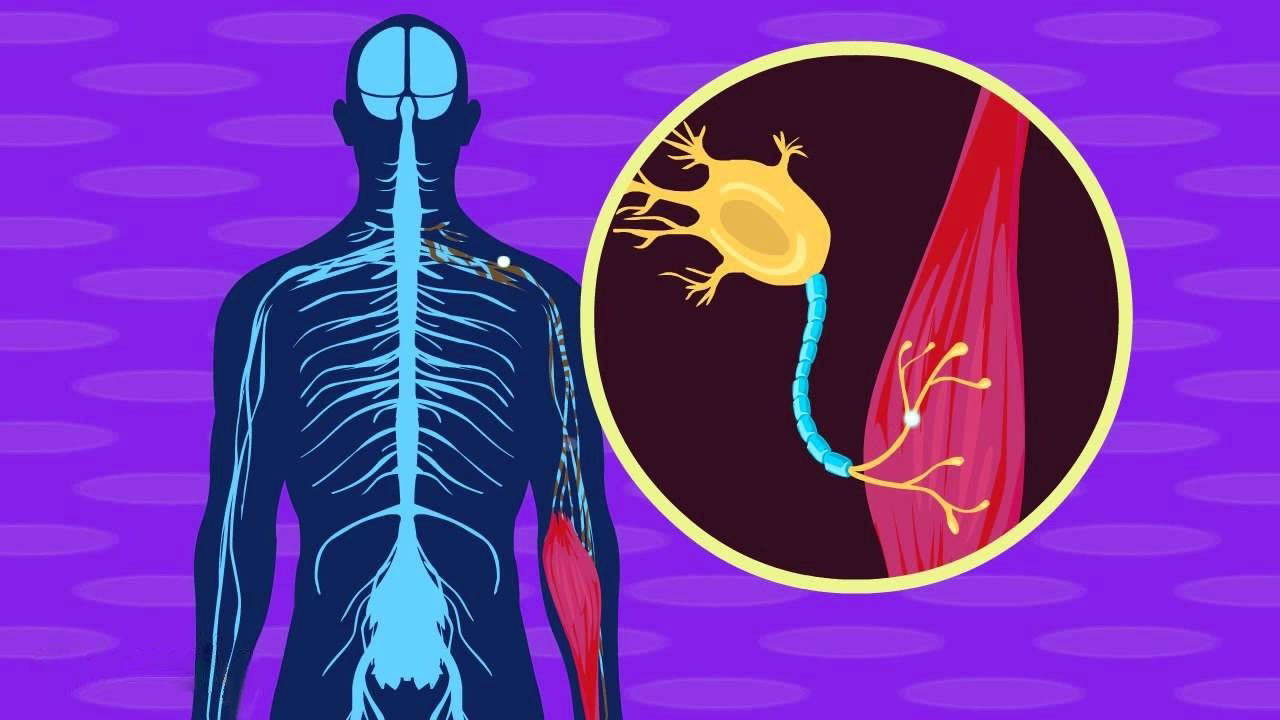
MIT's Groundbreaking Discovery Accelerates Brain Disease Diagnosis 25-Fold
Translated from Turkish, summarized and contextualized by DistantNews.
TLDR
- MIT scientists have discovered that chaotic laser light can self-organize into a focused beam under specific conditions.
- This breakthrough could accelerate brain disease diagnosis by up to 25 times.
- The technology offers a new way to visualize the blood-brain barrier and track drug delivery in real-time.
In a discovery that redefines fundamental principles of optical physics, researchers at the Massachusetts Institute of Technology (MIT) have unveiled a phenomenon where seemingly chaotic laser light spontaneously organizes itself into a highly focused beam. This groundbreaking finding, challenging the long-held notion that high power inevitably leads to chaos, promises to revolutionize medical imaging, particularly in the study of brain diseases.
The chaotic light, which is normally impossible to control, under certain conditions, organizes itself into a highly focused 'pencil beam'.
The research, led by Associate Professor Dr. Sixian You from MIT's Department of Electrical Engineering and Computer Science (EECS), demonstrated that by precisely aligning laser light and increasing its power to a critical threshold, the light resists scattering and instead forms a crystal-clear beam. This self-organization process bypasses the need for complex and expensive beam-shaping equipment, offering a remarkably simple yet powerful new tool. The resulting 'pencil beam' can penetrate deep into biological tissues, enabling ultra-fast scanning capabilities.
This self-organization process eliminates the need for complex and expensive beam-shaping equipment.
One of the most exciting applications of this technology lies in its ability to visualize the blood-brain barrier, a notoriously difficult structure to image. Traditionally, observing this barrier requires hours of scanning and fluorescent labeling of cells. MIT's 'pencil beam' technology, however, can generate 3D images without any chemical tags, allowing for real-time observation of how drug molecules are absorbed by cells and which cell types uptake them. This capability is poised to transform the pharmaceutical industry, potentially speeding up clinical trials for neurodegenerative diseases like Alzheimer's and ALS by enabling early identification of ineffective drug targets.
This method makes it possible to see in real-time the speed at which drug molecules are absorbed by cells and which cell type accepts the drug and how much.
Senior author Sixian You highlighted that the technology's potential extends beyond the blood-brain barrier, envisioning its use in imaging neurons and advancing other areas of bioengineering. This discovery not only pushes the boundaries of physics but also opens unprecedented avenues for medical research and treatment development, offering hope for faster diagnoses and more effective therapies for debilitating brain conditions.
The technology will not be limited to the blood-brain barrier, but will also be used in imaging neurons and other areas of bioengineering.
DistantNews Editorial
Originally published by Cumhuriyet in Turkish. Translated, summarized, and contextualized by our editorial team with added local perspective. Read our editorial standards.
More Stories



From Our Blog

What Gets Lost (and Found) When News Is Translated

The Critical Role of Diaspora Media in Global News

What Travellers Should Know About Countries with Restricted Press

A Digital Nomad's Guide to Following Local News

How the Same Story Looks Different in Different Countries
