


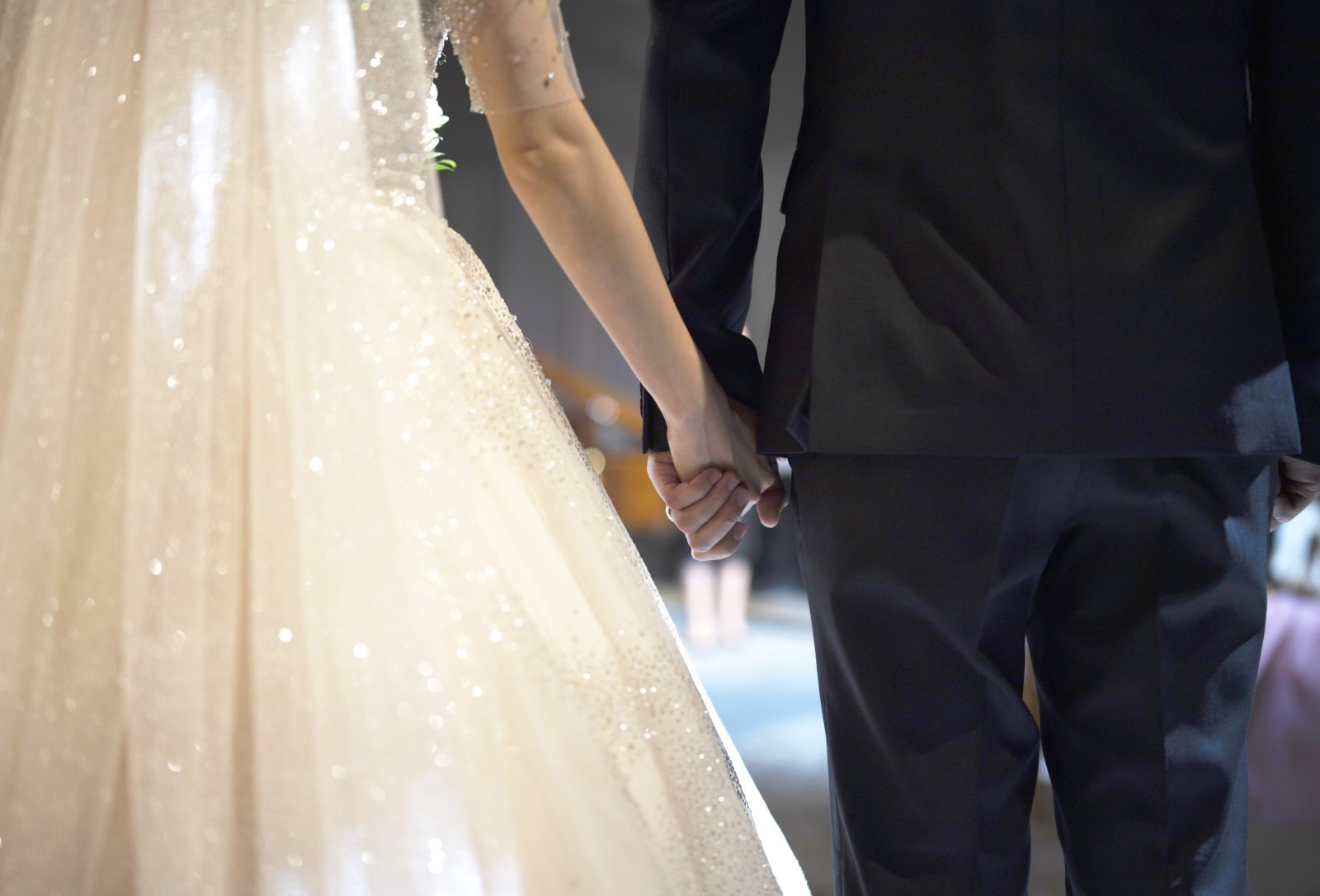
Mother Walks Daughter Down Aisle in Place of Deceased Father, Sparks Debate
Translated from Korean, summarized and contextualized by DistantNews.
TLDR
- A mother walked her daughter down the aisle in place of her deceased husband, fulfilling the daughter's wish.
- The mother faced criticism and gossip from some guests who found the act unconventional.
- The incident sparked discussion online about changing wedding traditions and societal norms.
A touching story from JTBC's 'Sacheon Banjang' highlights a mother's profound love and a daughter's deep desire to honor her late father during her wedding. A씨, a woman in her 60s residing in Hawaii for 40 years, shared the emotional experience of walking her daughter down the aisle. Just a month before the wedding, her husband, the daughter's father, passed away unexpectedly. In her grief, the daughter requested that her mother accompany her in place of her father for the ceremonial walk, a request born from a desire to share this significant moment with both parents, even in loss.
While the act was deeply meaningful for the mother and daughter, it unexpectedly became a source of discomfort for some wedding guests. After the ceremony, A씨 overheard remarks from acquaintances expressing surprise and disapproval, with one stating, "I understand the circumstances, but you should have walked with her uncle; walking with her mother is unheard of." This reaction left A씨 questioning whether she should have refused her daughter's plea, wondering if, in this modern era, such an act is still considered unusual or inappropriate.
This incident touches upon the evolving nature of traditions and societal expectations surrounding weddings. As legal commentator Park Ji-hoon noted on the show, wedding customs are not rigid; they change with the times. We see this reflected in the increasing prevalence of non-religious ceremonies and even expressive celebrations like choreographed dances. The online community's response has largely been supportive, with many netizens commenting, "What does it matter whose hand they hold?" or "It's not strange at all; thinking about it is heartwarming." This sentiment underscores a growing acceptance in South Korea and beyond that while traditions hold value, the emotional significance and personal meaning of such moments for the individuals involved should take precedence. The core of the celebration remains love and family, in whatever form that is expressed.
DistantNews Editorial
Originally published by Dong-A Ilbo in Korean. Translated, summarized, and contextualized by our editorial team with added local perspective. Read our editorial standards.
More Stories

From Our Blog

What Gets Lost (and Found) When News Is Translated

The Critical Role of Diaspora Media in Global News

What Travellers Should Know About Countries with Restricted Press

A Digital Nomad's Guide to Following Local News

How the Same Story Looks Different in Different Countries
