


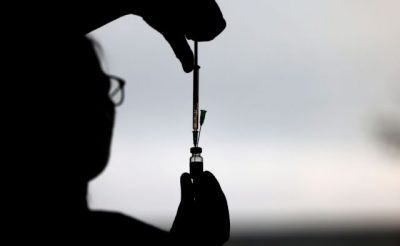
mRNA Cancer Vaccines Show Promising Results at AACR Meeting
Translated from Greek, summarized and contextualized by DistantNews.
TLDR
- Encouraging clinical data for mRNA cancer vaccines was presented at the American Association for Cancer Research (AACR) annual meeting in San Diego.
- Moderna's experimental mRNA-4359 combined with pembrolizumab showed an 83% overall response rate in advanced melanoma patients, with a 92% disease control rate.
- A personalized mRNA cancer vaccine trial for pancreatic cancer by Genentech and BioNTech showed 87.5% survival after four to six years for patients with an immune response.
In San Diego, the American Association for Cancer Research (AACR) annual meeting showcased groundbreaking advancements in the fight against cancer, particularly highlighting the potential of mRNA vaccines. Despite the lingering political shadows cast by COVID-19 vaccines, the research presented offers a beacon of hope, demonstrating the power of this technology in treating aggressive diseases.
The overall response rate was 83% in 12 patients with advanced melanoma. The disease control rate reached 92%.
Moderna's Phase 1/2 trial for its experimental therapy mRNA-4359, in combination with pembrolizumab, yielded remarkable results for patients with advanced melanoma. An 83% overall response rate and a 92% disease control rate underscore the efficacy of this approach. The U.S. Food and Drug Administration (FDA) has already granted Fast Track designation for this combination, signaling its potential to reach patients sooner.
Further bolstering optimism, a six-year follow-up of a Phase 1 clinical trial for a personalized mRNA cancer vaccine for pancreatic cancer, developed by Genentech and BioNTech, revealed that seven out of eight patients (87.5%) whose immune systems responded remained alive. One patient has shown no signs of cancer for six years. These findings, alongside research from Washington University in St. Louis published in Nature, are paving the way for optimized vaccine designs and new therapeutic strategies.
Seven out of eight patients whose immune systems responded remained alive four to six years after surgery, compared to two out of eight who did not respond.
This progress arrives at a time when therapeutic vaccines, distinct from preventative ones, appear to be carving out a unique political space. Reports suggest the Trump administration is considering a significant public-private partnership to accelerate vaccine development for high-risk patients. As federal research grants resume, over 120 clinical trials involving mRNA vaccines for various cancers are underway, signaling a robust and dynamic future for cancer immunotherapy.
Therapeutic vaccines that treat diseases rather than prevent them appear to occupy a different political space.
DistantNews Editorial
Originally published by Ta Nea in Greek. Translated, summarized, and contextualized by our editorial team with added local perspective. Read our editorial standards.
More Stories



From Our Blog

What Gets Lost (and Found) When News Is Translated

The Critical Role of Diaspora Media in Global News

What Travellers Should Know About Countries with Restricted Press

A Digital Nomad's Guide to Following Local News

How the Same Story Looks Different in Different Countries
