


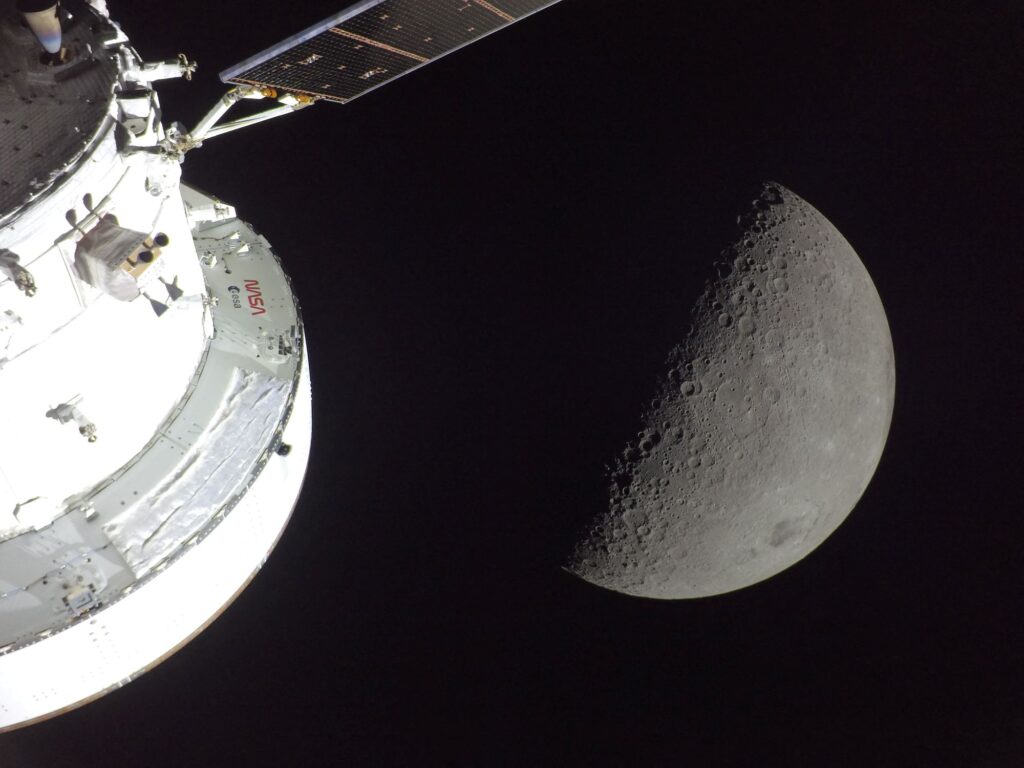
NASA Targets Permanent Moon Settlement by 2033
Translated from Malay, summarized and contextualized by DistantNews.
TLDR
- NASA aims for humans to permanently inhabit the Moon by 2033, following the success of the Artemis II mission.
- The ambitious project includes establishing a lunar base with an estimated cost of $32 billion.
- Preparations involve sending cargo and scientific equipment to the lunar south pole, with astronaut landings planned for 2028.
Utusan Malaysia reports on NASA's ambitious plan to establish a permanent human settlement on the Moon by 2033. This announcement comes after the successful Artemis II mission, which marked the first crewed orbit of the Moon since 1972. The sheer scale of this endeavor, with an estimated cost of $32 billion, underscores a significant shift in space exploration priorities.
NASA Administrator Bill Nelson emphasized that this mission transcends mere landing; it's about long-term habitation. "It is time for us to believe again. This time the goal is not about the flag race or footprints, but the goal is to stay there," he stated. This sentiment reflects a renewed commitment to sustained presence beyond Earth, moving from symbolic achievements to practical settlement.
The plan involves a phased approach, beginning with commercial landers delivering cargo and scientific instruments to the lunar south pole in preparation for astronaut landings in 2028. Subsequent missions will deploy robotic rovers and research tools to map the area, identify water ice resources, and monitor radiation levels. The development of the first lunar communication satellite, Britain's Lunar Pathfinder, is also a crucial step, set to launch next year to ensure communication with astronauts on the far side of the Moon.
From a Malaysian perspective, this news from NASA is both awe-inspiring and a reminder of the rapid advancements in space technology. While Malaysia may not be leading these specific missions, the progress in space exploration fuels national aspirations and highlights the importance of scientific and technological development. The focus on long-term habitation and resource utilization on the Moon could eventually pave the way for international collaboration and new economic opportunities, which are always of keen interest to developing nations like Malaysia. The article, sourced from Utusan Malaysia, likely aims to inform the Malaysian public about these significant global developments and inspire interest in science and technology.
It is time for us to believe again. This time the goal is not about the flag race or footprints, but the goal is to stay there.
DistantNews Editorial
Originally published by Utusan Malaysia in Malay. Translated, summarized, and contextualized by our editorial team with added local perspective. Read our editorial standards.
More Stories



From Our Blog

What Gets Lost (and Found) When News Is Translated

The Critical Role of Diaspora Media in Global News

What Travellers Should Know About Countries with Restricted Press

A Digital Nomad's Guide to Following Local News

How the Same Story Looks Different in Different Countries
