

NATO: US Gets Serious: What the Partial Troop Withdrawal Means
Translated from German, summarized and contextualized by DistantNews.
TLDR
- The US government has ordered a partial withdrawal of approximately 5,000 troops from Germany.
- The move is attributed to a review of troop presence in Europe and could signal deteriorating US-German relations.
- The withdrawal, occurring amid rising tensions between President Trump and Chancellor Merz, follows Merz's criticism of US actions in the Iran war.
In a significant development that underscores escalating tensions between the United States and Germany, the US government has ordered the partial withdrawal of around 5,000 troops stationed in Germany. As reported by dpa, this decision, slated for implementation within the next six to twelve months, is officially framed as a review of troop presence, conditions, and operational requirements in Europe. However, the move is widely interpreted as a stark deterioration of the German-American relationship, particularly following Chancellor Friedrich Merz's sharp criticism of US policy in the Iran war.
This partial troop pullout carries potentially substantial consequences for the affected regions in Germany, which have long benefited from the presence of US military bases not only as a security factor but also as an economic contributor. While the US maintains a significant military footprint in Europe, with Germany hosting the largest contingent outside the US, this withdrawal signals a potential shift in strategic priorities or a punitive response to perceived slights. The origins of the US military presence in Germany lie in the Cold War, but its role has evolved to safeguarding Europe against potential Russian aggression and serving as a strategic hub for US operations globally.
Merz has no idea what he's talking about and has remained completely ineffective with regard to the Ukraine war.
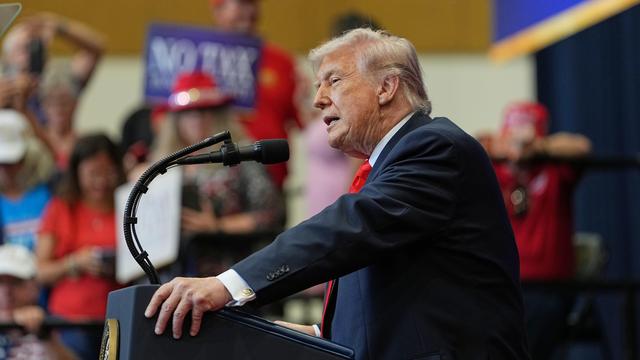
The timing of this announcement is particularly noteworthy, coming shortly after President Trump's strong public rebuke of Chancellor Merz, whom he accused of lacking understanding and being ineffective regarding the Ukraine conflict. This exchange, coupled with the announced troop withdrawal and the threat of increased tariffs on EU vehicles, paints a picture of a transatlantic relationship under considerable strain. Die Zeit will continue to monitor the details of which specific units will be withdrawn and the broader implications for Germany's security and its standing within NATO, especially concerning the US commitment to collective defense.
While the immediate impact on Germany's security might not be drastic, the potential erosion of the US commitment to NATO's mutual defense pact is a significant concern. The specifics of the troop withdrawal remain unclear, and potential legislative hurdles within the US Congress could influence the final outcome. Nevertheless, this event marks a critical juncture, prompting a reassessment of European security architecture and Germany's role within it, independent of its traditional American ally.
He has done a terrible job.
DistantNews Editorial
Originally published by Die Zeit in German. Translated, summarized, and contextualized by our editorial team with added local perspective. Read our editorial standards.
More Stories


From Our Blog

What Gets Lost (and Found) When News Is Translated

How the Same Story Looks Different in Different Countries

The Critical Role of Diaspora Media in Global News

What Travellers Should Know About Countries with Restricted Press

A Digital Nomad's Guide to Following Local News
