

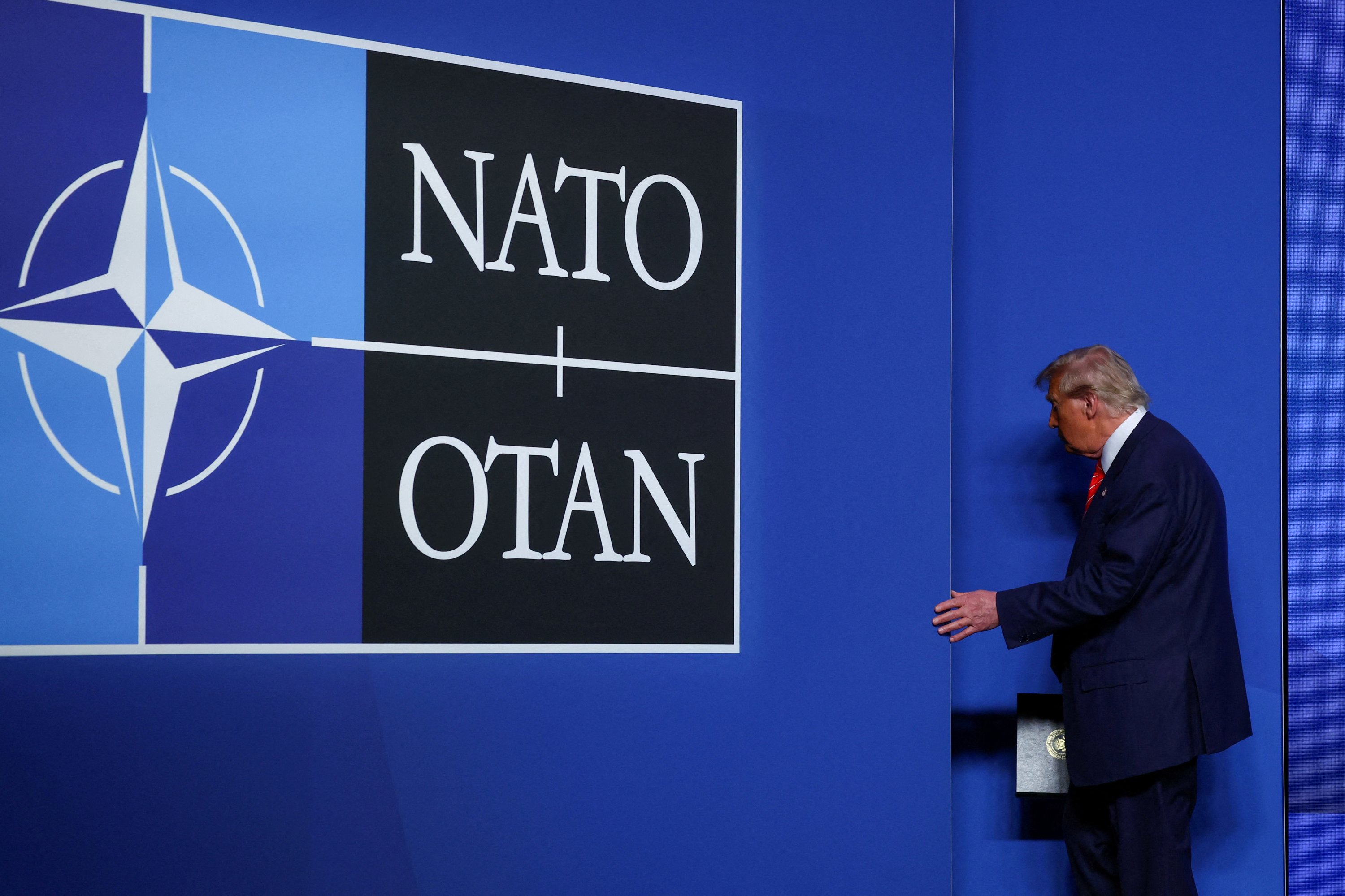
NATO weighs ending annual summits to avoid tensions with Trump
Summarized and contextualized by DistantNews.
TLDR
- NATO is considering reducing the frequency of its leaders' summits from annual to biennial meetings.
- This potential change is partly driven by a desire to avoid tense encounters with U.S. President Donald Trump and his criticisms of alliance members.
- Some members argue that less frequent summits could lead to better decisions and allow NATO to focus on long-term planning rather than short-term results.
As a publication based in Turkey, a key NATO member and host of the upcoming summit in Ankara, we observe the ongoing discussions within the alliance with keen interest. The reports suggesting NATO is contemplating a shift away from annual leaders' summits, potentially moving to biennial meetings, are significant. This consideration, while framed by some as a strategic adjustment for better decision-making, is undeniably influenced by the unpredictable nature of U.S. foreign policy under President Donald Trump.
NATO is considering reducing the frequency of its leaders’ summits, with some members pushing to move away from annual meetings, a move that could avoid a potentially tense encounter with U.S. President Donald Trump.
President Trump's tenure has been marked by sharp criticism of NATO allies, particularly regarding defense spending and burden-sharing. His demands, such as the push for members to spend 5% of GDP on defense, have created friction, even as the alliance has agreed to a 3.5% target. The prospect of future tense encounters, especially given Trump's potential return to office, looms large. For countries like Turkey, which navigate complex regional dynamics and maintain robust defense capabilities, the alliance's stability and predictability are paramount. Reducing summit frequency could be seen as a pragmatic measure to insulate the alliance from political volatility and allow for more focused strategic planning.
Better to have fewer summits than bad summits.
From our perspective, while the allure of "less drama" and "better decisions" is understandable, the core strength of NATO lies in its consistent engagement and collective security commitment. The annual summits, despite their challenges, have served as crucial platforms for dialogue and solidarity. However, if a less frequent cadence allows for more substantive discussions and avoids the performative tensions that have characterized recent meetings, it might prove beneficial. The ultimate decision rests with Secretary General Mark Rutte, but the underlying debate reflects a broader challenge for NATO: how to maintain unity and effectiveness in an increasingly complex geopolitical landscape, while managing the expectations and demands of its most powerful member.
Reducing high-profile summitry would allow NATO to get on with its business and dial down the drama that has marked many recent transatlantic encounters.
DistantNews Editorial
Originally published by Daily Sabah. Summarized and contextualized by our editorial team with added local perspective. Read our editorial standards.
More Stories
From Our Blog

What Gets Lost (and Found) When News Is Translated

The Critical Role of Diaspora Media in Global News

What Travellers Should Know About Countries with Restricted Press

A Digital Nomad's Guide to Following Local News

How the Same Story Looks Different in Different Countries
