


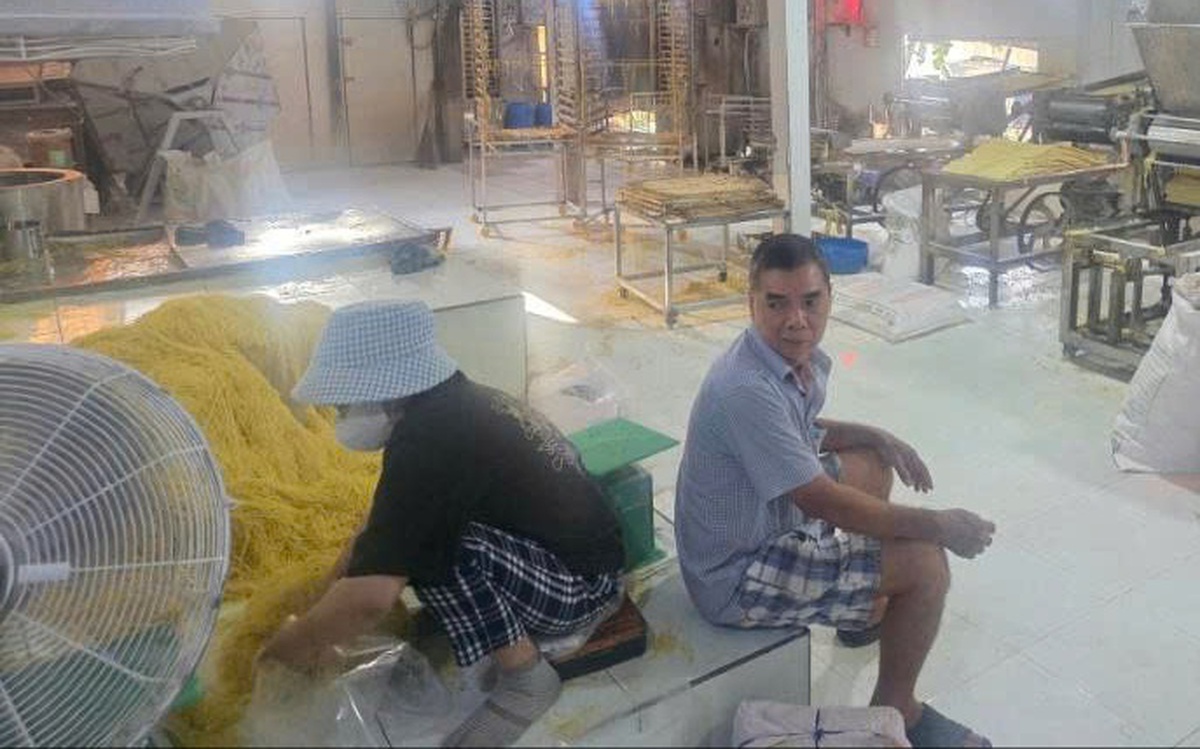
Nearly 3,000 Tons of Noodles Containing Banned Chemicals Seized in Vietnam; Couple Arrested
Translated from Vietnamese, summarized and contextualized by DistantNews.
TLDR
- Vietnamese authorities have arrested a couple, Nguyen Thi My Phung and Pham Tuan Thanh, for producing and selling nearly 3,000 tons of fresh noodles containing banned industrial chemicals.
- The couple knowingly used borax and sodium silicate to make the noodles chewier, extend shelf life, and prevent breakage, despite knowing these substances are prohibited in food production.
- This case, along with a previous one involving similar offenses, has caused public shock and outrage over the prolonged consumption of unsafe food products.
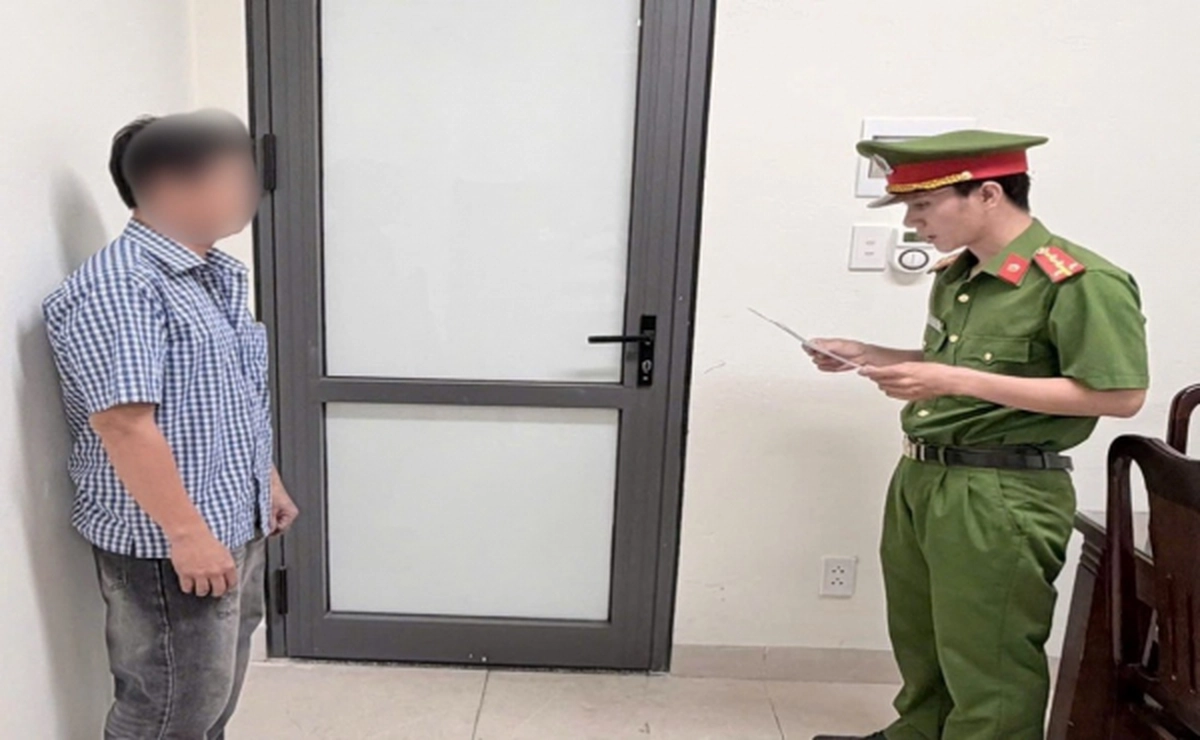
The recent crackdown by Ho Chi Minh City police on a couple producing and distributing nearly 3,000 tons of contaminated fresh noodles has sent shockwaves through Vietnam, exposing a disturbing disregard for public health. As reported by Tuổi Trẻ Online, Nguyen Thi My Phung and her husband, Pham Tuan Thanh, have been arrested for knowingly using banned industrial chemicals, including borax and sodium silicate, in their noodle production.
Knowing that these substances are banned, they still used them with the intention of making the noodles chewier, preventing breakage, and preserving them for longer.
This revelation is particularly alarming given the couple's admission that they were aware of the prohibitions but proceeded with using these harmful substances to enhance the texture and shelf-life of their products. The chemicals reportedly made the noodles chewier and prevented them from breaking, allowing for a longer preservation period compared to naturally produced noodles. The scale of the operation, spanning from 2014 to the present, means that countless consumers have unknowingly ingested these dangerous additives over an extended period.
It's terrifying! Reading this makes my blood run cold. Is this what we've been eating?
The public reaction, as reflected in reader comments on Tuổi Trẻ Online, has been one of profound shock, anger, and disgust. Many expressed a chilling realization that they might have been consuming these "glass noodles" for years, given their popularity and widespread distribution. The sentiment of being "poisoned" by unscrupulous producers is palpable, highlighting a deep-seated concern about food safety standards and enforcement in the country.
How many people have eaten these 'glass noodles' over the years, considering the equivalent weight of a packet of noodles?
This incident, following closely on the heels of another case involving similar violations, underscores a persistent problem of food adulteration in Vietnam. The sheer volume of contaminated products and the duration of the illicit activity raise serious questions about regulatory oversight and the effectiveness of deterrents. For Vietnamese consumers, this is not just about a single case but a broader anxiety about the integrity of the food supply chain and the potential for widespread harm. The outrage expressed is a clear call for stricter regulations and more robust enforcement to protect citizens from such egregious violations.
It's truly horrifying! I had to read it multiple times to ensure I wasn't mistaken, as over 2,800 tons of fresh noodles have been consumed on the market since 2014. My family loves this dish, and who knows how long we've been 'enjoying' it! And how many others, including young children, have eaten these toxic noodles from these two inhumane people!
DistantNews Editorial
Originally published by Tuổi Trẻ in Vietnamese. Translated, summarized, and contextualized by our editorial team with added local perspective. Read our editorial standards.
More Stories
From Our Blog

What Gets Lost (and Found) When News Is Translated

The Critical Role of Diaspora Media in Global News

What Travellers Should Know About Countries with Restricted Press

A Digital Nomad's Guide to Following Local News

How the Same Story Looks Different in Different Countries
