

Nerves Fray Ahead of Victory Parade: Moscow Demands Evacuation of Foreign Embassies in Kyiv
Translated from German, summarized and contextualized by DistantNews.
TLDR
- Russia is reportedly scaling down its Victory Day parade this year, with no tanks or missiles to be displayed, citing the "current operational situation" and "terrorist threats."
- President Putin offered a unilateral ceasefire for May 8-9, while also threatening massive missile strikes on Kyiv if the Moscow parade is disrupted.
- Ukraine proposed its own ceasefire starting earlier, with President Zelenskyy emphasizing the importance of human lives over parades, though Russian drone attacks continued in front-line cities.
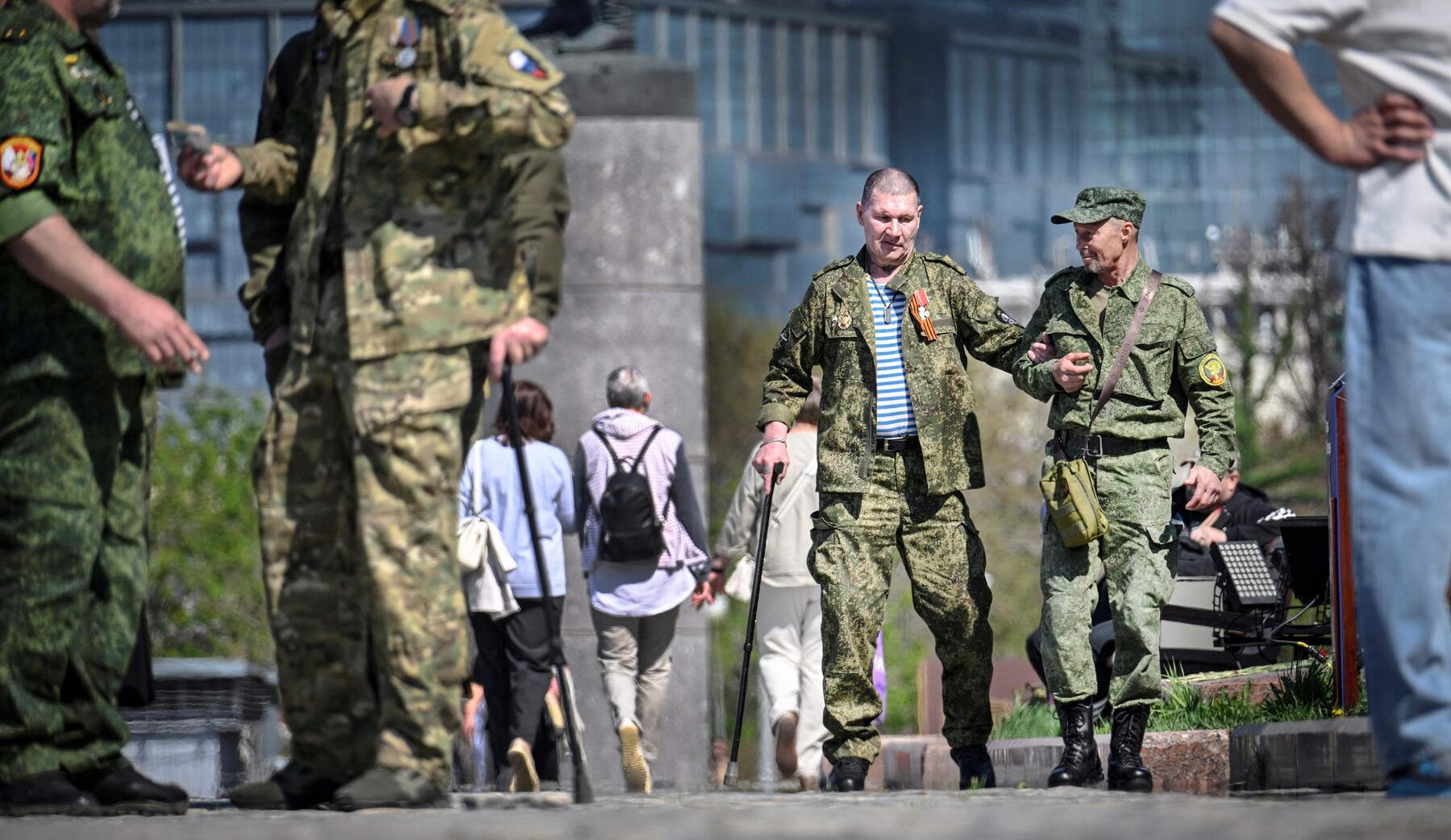
As Victory Day approaches, a palpable tension grips Moscow, underscored by a scaled-down parade and heightened security measures. The decision to exclude tanks and missiles from the traditional display, officially attributed to the "current operational situation" and "terrorist threats," hints at deeper concerns, possibly including a shortage of deployable heavy equipment. This year's muted celebration reflects the grim realities of the ongoing conflict, a stark contrast to the triumphant displays of previous years.
President Putin's diplomatic maneuvering, offering a unilateral ceasefire while simultaneously issuing threats of missile strikes on Kyiv, reveals a complex strategy. This dual approach aims to project an image of magnanimity while maintaining a posture of strength. However, President Zelenskyy's counter-proposal for an earlier ceasefire, emphasizing the sanctity of human life, directly challenges Putin's narrative and highlights Ukraine's commitment to de-escalation, even amidst continued Russian aggression.
We want to save people's lives, not parades.
The Ukrainian drone strike on the Mosfilm Tower serves as a potent reminder that the conflict's reach extends far beyond the front lines, penetrating the heart of the Russian capital. This act, occurring just days before the parade, underscores Ukraine's capability to project its response directly into Russia, disrupting Moscow's carefully crafted narrative of a distant "special operation." The Kremlin's subsequent warning to foreign embassies in Kyiv, urging the evacuation of personnel in the event of a Russian attack, further illustrates the escalating tensions and the potential for wider conflict.
From our perspective, the significance of these events lies not only in the immediate military and diplomatic implications but also in the psychological warfare being waged. Ukraine's ability to bring the war's anxieties across the border and disrupt Russia's propaganda efforts is a strategic victory in itself. The reduced scale of the parade and the underlying nervousness in Moscow suggest that Putin's carefully constructed image of control is beginning to fray, demonstrating that the war's impact is increasingly felt within Russia itself.
The embassies should ensure the timely evacuation of personnel from diplomatic and other representative offices, as well as citizens from the city of Kyiv.
DistantNews Editorial
Originally published by Die Presse in German. Translated, summarized, and contextualized by our editorial team with added local perspective. Read our editorial standards.
More Stories


From Our Blog

What Gets Lost (and Found) When News Is Translated

The Critical Role of Diaspora Media in Global News

What Travellers Should Know About Countries with Restricted Press

A Digital Nomad's Guide to Following Local News

How the Same Story Looks Different in Different Countries
