

New book chronicles Finland's path to becoming a welfare state
Translated from Finnish, summarized and contextualized by DistantNews.
At a glance
News
Sources not specified
Context piece
- A new book, "History of Welfare," by Antti Karisto and Jussi Simpura, examines Finland's welfare, health, and culture over more than a century.
- The book is described as an excellent work of non-fiction.
- It draws parallels to historical works like Zacharias Topelius' "Our Land" book, which served as a guide to a developing Finland.
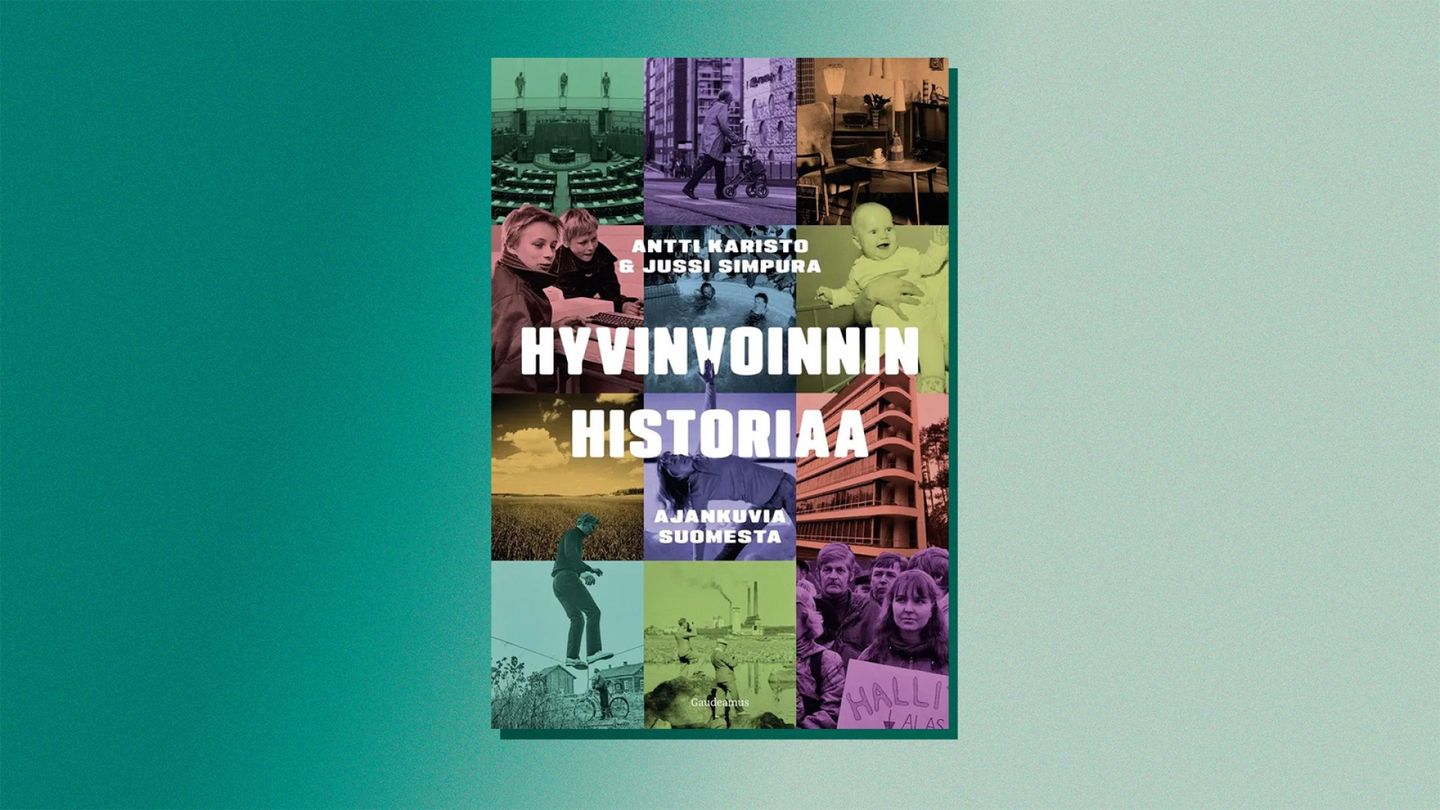
A new book, "Hyvinvoinnin historia" (History of Welfare), offers an in-depth look at Finland's journey toward becoming a welfare state. Authored by Antti Karisto and Jussi Simpura, the work delves into the nation's welfare, health, and cultural development spanning over a hundred years.
Described as an excellent work of non-fiction, the book provides a comprehensive historical account. It traces the evolution of Finnish society and its institutions, offering insights into the factors that shaped its unique welfare model.
The authors draw a connection to historical literary precedents, such as Zacharias Topelius' "Maamme kirja" (Our Land book). Topelius' 19th-century work served as a guide to the nascent Finnish nation, offering a generalized view of its emerging identity. Karisto and Simpura's book similarly aims to provide a comprehensive understanding of Finland's historical trajectory, particularly in the development of its welfare system.
DistantNews Editorial
Originally published by Helsingin Sanomat in Finnish. Translated, summarized, and contextualized by our editorial team with added local perspective. Read our editorial standards.
More Stories



From Our Blog

What Gets Lost (and Found) When News Is Translated

The Critical Role of Diaspora Media in Global News

What Travellers Should Know About Countries with Restricted Press

A Digital Nomad's Guide to Following Local News

How the Same Story Looks Different in Different Countries
