

New Hormuz Crisis Could Trigger Blackouts in Europe Amid Heatwaves
Translated from Greek, summarized and contextualized by DistantNews.
At a glance
News
Sources not specified
Context piece
- Tensions between the U.S. and Iran raise concerns about potential disruptions to energy flows from the Persian Gulf.
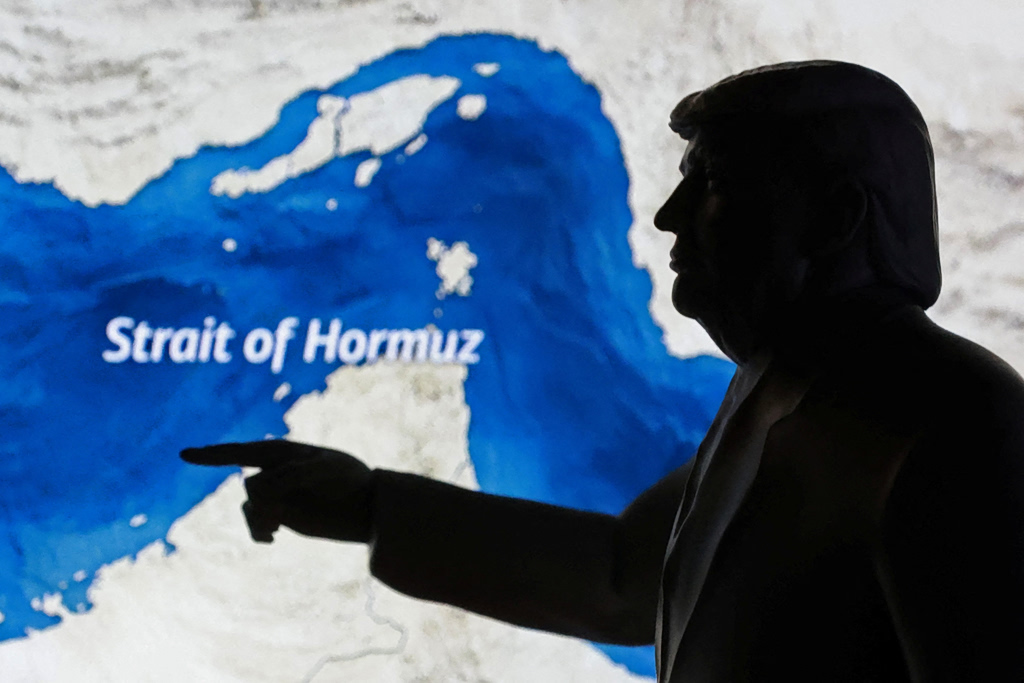
- The Strait of Hormuz, a critical global energy chokepoint, is central to these concerns, with potential impacts on oil and gas prices.
- Europe faces increased energy demand due to heatwaves, making it vulnerable to price hikes and supply issues if Middle Eastern energy routes are affected.
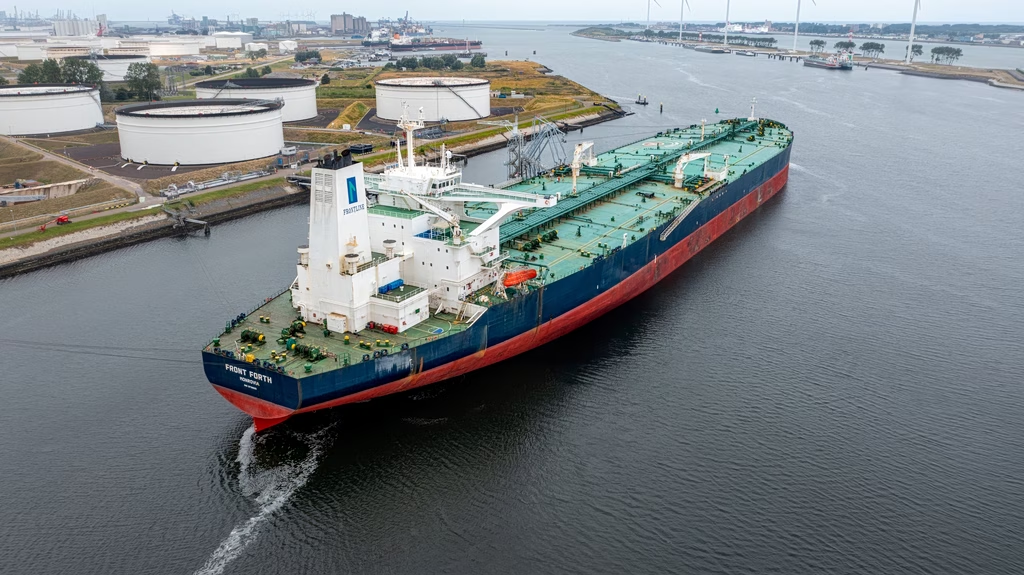
Heightened tensions between the United States and Iran are reigniting fears of disruptions to global energy supplies, particularly concerning the Strait of Hormuz, a vital chokepoint for international oil trade. Military actions, threats to maritime navigation, and general uncertainty surrounding the strait are already causing ripples in oil markets, even without an actual supply cut.
The critical question facing governments, businesses, and analysts is not only the potential for military escalation but also the risk of a new energy crisis for Europe. This comes at a time when the continent is grappling with prolonged heatwaves and surging electricity demand. The Strait of Hormuz accounts for roughly one-fifth of global oil trade and significant volumes of liquefied natural gas (LNG), making any regional instability a potential threat to the world economy.
While Europe has improved its energy security since 2022 by increasing natural gas reserves and diversifying suppliers, it remains exposed to international market fluctuations. Oil is a global commodity, and price increases impact transportation, industry, and food costs, contributing to inflation. The natural gas market has also become increasingly internationalized; a significant shift by Asian countries towards LNG due to Middle Eastern supply concerns could intensify competition for available cargoes, driving up prices in Europe as well.
The current situation is compounded by extreme weather. Persistent heatwaves across Europe are driving up electricity consumption due to widespread air conditioner use. As many European countries still rely heavily on natural gas for power generation, a spike in global energy prices could quickly translate into higher utility bills for households and businesses, exacerbating existing economic pressures.
DistantNews Editorial
Originally published by Ta Nea in Greek. Translated, summarized, and contextualized by our editorial team with added local perspective. Read our editorial standards.
More Stories

From Our Blog

What Gets Lost (and Found) When News Is Translated

The Critical Role of Diaspora Media in Global News

What Travellers Should Know About Countries with Restricted Press

A Digital Nomad's Guide to Following Local News

How the Same Story Looks Different in Different Countries
