

New Polish Rules: Parents Fined for Children Riding Without Helmets
Translated from Polish, summarized and contextualized by DistantNews.
At a glance
News
Sources not specified
New plan
- New regulations in Poland mandate helmet use for cyclists, electric scooter riders, and personal transport device users under 16, effective June 3, 2026.
- Parents or legal guardians will be fined 100 PLN for violations by minors, as helmets are considered crucial for reducing head injuries.
- The rules also extend helmet requirements to children under 7 transported in special bike seats, with specific exceptions for safety-equipped seats or trailers.
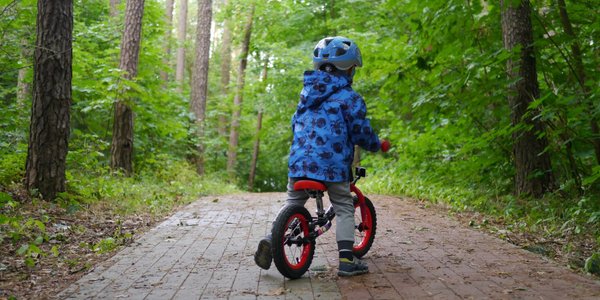
Starting June 3, 2026, new regulations in Poland will require individuals under 16 years old to wear protective helmets while cycling, riding electric scooters, or using other personal transport devices (UTO). This measure aims to enhance the safety of young road users and significantly reduce the incidence of serious head injuries. Helmets are recognized as one of the most effective protective gear, capable of mitigating severe injuries and potentially saving lives in the event of an accident.
The new rules stipulate a fine of 100 PLN for riding without the required helmet. Since the regulation targets minors, financial responsibility for any violations will fall upon their parents or legal guardians. This move underscores the authorities' commitment to prioritizing child safety on the roads and ensuring compliance through parental accountability.
Additionally, the updated regulations extend the helmet mandate to younger children. From June 3, children under the age of 7 being transported in specialized bicycle seats will also be required to wear helmets. However, exceptions are provided: a helmet is not mandatory if the child is in a seat equipped with safety belts whose design prevents helmet use, or when a child is transported in a bicycle trailer also equipped with safety belts.
It is also worth recalling that since March 3, 2026, a ban has been in effect prohibiting children under 13 from using electric scooters and personal transport devices. These layered regulations reflect a comprehensive approach to improving road safety for vulnerable users, particularly children and adolescents.
DistantNews Editorial
Originally published by Rzeczpospolita in Polish. Translated, summarized, and contextualized by our editorial team with added local perspective. Read our editorial standards.
More Stories


From Our Blog

What Gets Lost (and Found) When News Is Translated

The Critical Role of Diaspora Media in Global News

What Travellers Should Know About Countries with Restricted Press

A Digital Nomad's Guide to Following Local News

How the Same Story Looks Different in Different Countries
