

New Type of Can Bypasses Deposit System, Experts Warn
Translated from Polish, summarized and contextualized by DistantNews.
At a glance
News
Sources not specified
New plan
- A new type of PET plastic can, resembling traditional cans, is bypassing Poland's deposit return system.
- Experts warn these transparent plastic containers are difficult to recycle and could confuse consumers, potentially undermining the system.
- The Ministry of Climate and Environment acknowledges the issue and plans to address it through an extended producer responsibility scheme.
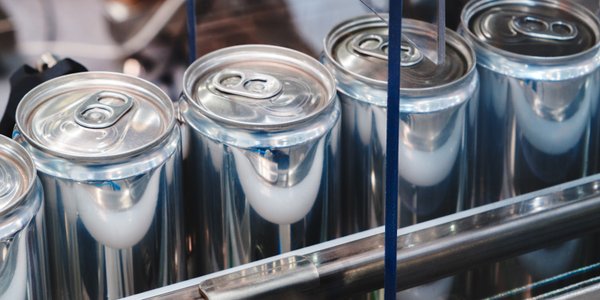
A new type of transparent PET plastic container, designed to look like traditional cans, is emerging on the Polish market and circumventing the country's deposit return system. While currently a niche product, the recycling industry views these containers as a significant problem that could compromise the effectiveness of existing recycling efforts.
Experts point out that the construction of these plastic cans makes it difficult to recover valuable raw materials, as separating the plastic from any potential aluminum components is challenging and costly. This process can lead to the loss of significant amounts of recyclable material and potentially lower the quality of selective waste collection. Consumers may also be confused by their resemblance to deposit-bearing cans, leading to improper waste segregation.
Such a solution is a way to bypass the system.
Sławomir Pacek, president of the "Polish Recycling" Association, described the containers as a way to bypass the deposit system. He noted that while they appear recyclable, their design complicates and increases the cost of the recycling process. The Ministry of Climate and Environment has acknowledged these concerns and indicated that a new extended producer responsibility (ROP) system is being developed. This scheme aims to make producers financially responsible for the costs of managing waste from their products, with fees potentially varying based on material type and recyclability, thereby discouraging the use of difficult-to-process packaging.
In reality, their construction makes the entire process more difficult and expensive, as it is difficult to separate the plastic and aluminum. As a result, a significant portion of valuable raw materials may be irretrievably lost.
DistantNews Editorial
Originally published by Rzeczpospolita in Polish. Translated, summarized, and contextualized by our editorial team with added local perspective. Read our editorial standards.
More Stories

From Our Blog

What Gets Lost (and Found) When News Is Translated

The Critical Role of Diaspora Media in Global News

What Travellers Should Know About Countries with Restricted Press

A Digital Nomad's Guide to Following Local News

How the Same Story Looks Different in Different Countries
