


Nigerian Opposition Plans United Front for 2027 Polls, Cites Democratic Threats
Translated from English, summarized and contextualized by DistantNews.
TLDR
- Nigerian opposition parties met in Ibadan to strategize for the 2027 general elections, aiming to challenge the ruling APC's dominance.
- They declared their intention to field a single presidential candidate and called for electoral reforms, including the removal of the current INEC chairman due to alleged bias.
- The parties also demanded the release of detained politicians and an extension of the deadline for party primaries, warning that political concentration threatens Nigeria's democracy.
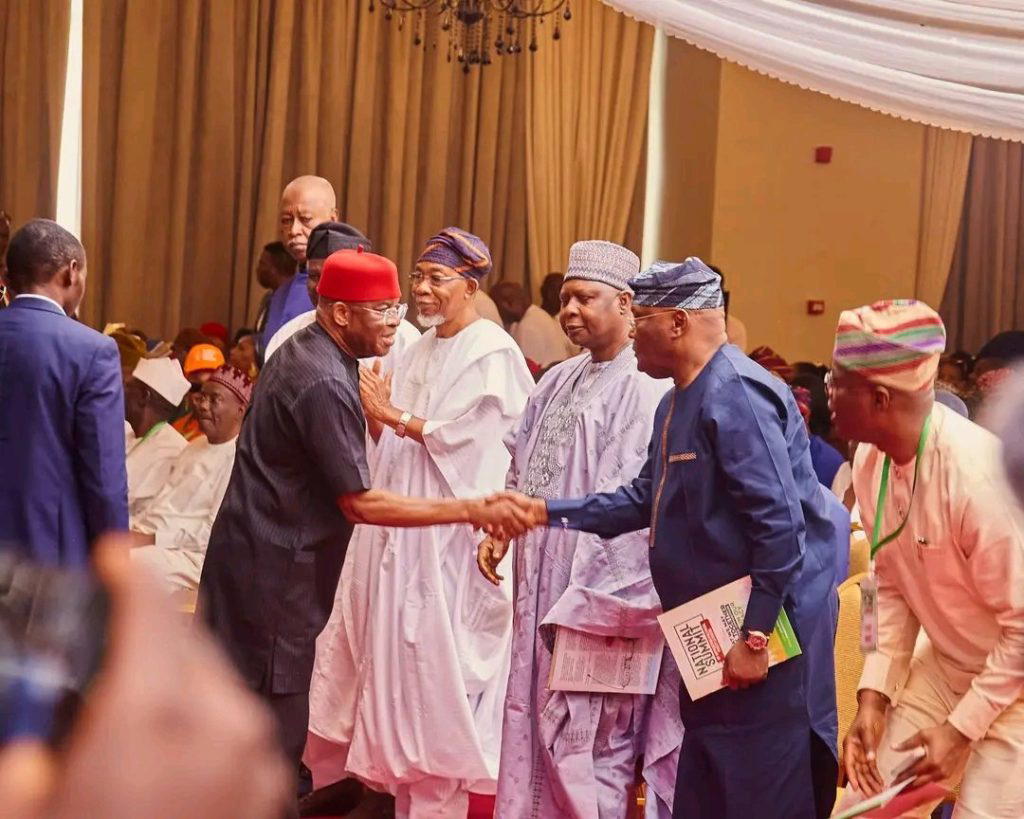
In a significant move towards political consolidation, Nigeria's leading opposition parties convened in Ibadan, the Oyo State capital, to forge a united front against the ruling All Progressives Congress (APC) ahead of the 2027 general elections. The summit, attended by prominent figures such as Atiku Abubakar, Rabiu Musa Kwankwaso, and Peter Obi, signals a determined effort to prevent the entrenchment of a one-party state and safeguard multi-party democracy.
We shall resist all machinations by the APC to foist a one-party State on Nigeria and fight for the survival of multi-party democracy in our country.
The communiqué issued after the summit, read by the factional chairman of the Peoples Democratic Party (PDP), Taminu Turaki, clearly articulated the opposition's resolve. Their primary objective is to present a unified presidential candidate, a strategic maneuver aimed at maximizing their chances against the incumbent APC. This collective approach underscores a shared understanding that division has historically weakened their ability to challenge the ruling party effectively.
We shall work towards fielding one Presidential Candidate for the 2027 elections, which shall be agreed and supported by all participating opposition parties to rescue our nation and her long suffering masses.
Beyond candidate alignment, the opposition raised critical concerns regarding the integrity of the electoral process. They specifically targeted the Independent National Electoral Commission (INEC) Chairman, Joash Ojo Amupitan, accusing him of bias and partisanship. Their demand for his removal and a call for swift electoral reforms, including a review of the Electoral Act, highlight a deep-seated distrust in the current electoral umpire's ability to conduct fair and credible elections. The warning of potential crisis if these issues are not addressed reflects the high stakes involved.
The INEC Chairman, Joash Ojo Amupitan, having shown bias and partisanship in favour of the ruling APC, should not conduct the 2027 general elections.
The summit also addressed the issue of alleged political repression, demanding the immediate release of politicians detained on bailable offenses. Governor Seyi Makinde of Oyo State, hosting the event, eloquently captured the broader concern, warning of the "gradual erosion" of Nigeria's democracy due to increasing political concentration and the weakening of opposition. His assertion that democracy is "weakened step by step" when opposition becomes ineffective serves as a potent reminder of the challenges ahead for the opposition coalition as they navigate the complex political landscape towards 2027.
Across Nigeria today, we are witnessing a level of political concentration that should concern all of us… taken together, they point to a pattern where the space for real political competition is disappearing.
DistantNews Editorial
Originally published by Vanguard in English. Translated, summarized, and contextualized by our editorial team with added local perspective. Read our editorial standards.
More Stories


From Our Blog

How the Same Story Looks Different in Different Countries

What Gets Lost (and Found) When News Is Translated

The Critical Role of Diaspora Media in Global News

What Travellers Should Know About Countries with Restricted Press

A Digital Nomad's Guide to Following Local News
