


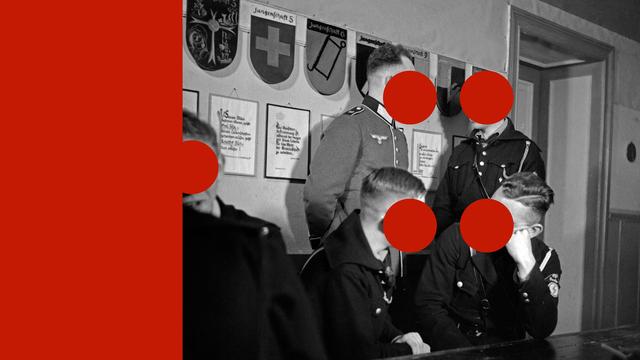
NSDAP: A Party That Soon Shaped Daily Life
Translated from German, summarized and contextualized by DistantNews.
TLDR
- A historical analysis examines the pervasive influence of the NSDAP (Nazi Party) on daily life in Germany, moving beyond superficial symbols like the swastika flag.
- The article argues that the party's organization of careers, loyalties, and violence was central to its power, not just a facade.
- This perspective challenges the post-war notion that NSDAP membership was a mere convenience, highlighting its deeper societal integration and impact.
In its latest issue, Die Zeit delves into the true nature of the NSDAP, moving beyond the simplistic post-war narrative. While many preferred to believe that party membership was a mere formality or a means of survival, this analysis, referencing Sebastian Haffner's wartime observations, reveals a far more insidious reality. Haffner noted in 1940 that displaying a swastika meant little, as 'everyone in Germany does it today.' This historical perspective underscores that the party's power was not merely in its symbols but in its deep organizational structure. Die Zeit argues that the NSDAP was far more than a superficial presence; it actively shaped careers, fostered loyalties, and systematically employed violence. This nuanced view is crucial for understanding how the party permeated every aspect of German life, making it impossible for individuals to remain detached. The analysis compels us to reconsider the extent of the party's integration into society and the mechanisms through which it maintained control, a perspective often overlooked in broader historical accounts.
Today everyone in Germany does it. It means nothing.
DistantNews Editorial
Originally published by Die Zeit in German. Translated, summarized, and contextualized by our editorial team with added local perspective. Read our editorial standards.
More Stories



From Our Blog

What Gets Lost (and Found) When News Is Translated

How the Same Story Looks Different in Different Countries

The Critical Role of Diaspora Media in Global News

What Travellers Should Know About Countries with Restricted Press

A Digital Nomad's Guide to Following Local News
