

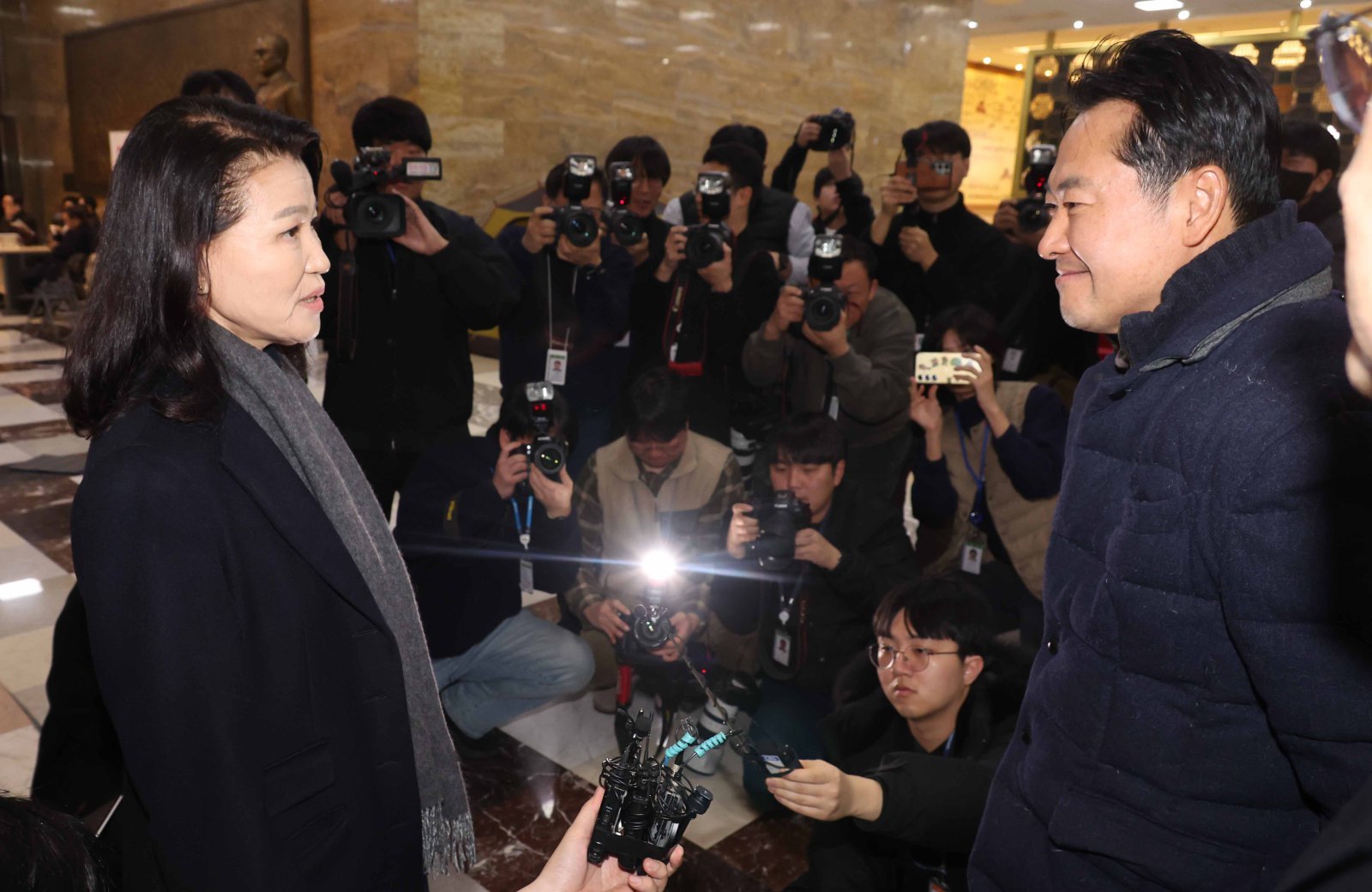

Oh Se-hoon presses Jung Won-oh on real estate tax policy amid falling poll numbers
Translated from Korean, summarized and contextualized by DistantNews.
TLDR
- Seoul Mayor Oh Se-hoon is pressing his rival, Jung Won-oh, to clarify his stance on the abolition of long-term holding special tax deductions for real estate.
- The push comes as polls show Jung leading Oh by over 10 percentage points, indicating Oh's strategy to win over voters concerned about Seoul's property market.
- Jung has deflected the questions, urging Oh to focus on policy proposals rather than negative campaigning.
In the race for Seoul mayor, the debate over real estate policy, specifically the long-term holding special tax deduction (jangteukgong), has become a central battleground. Mayor Oh Se-hoon of the People Power Party is aggressively challenging his Democratic Party opponent, Jung Won-oh, to state his position on the potential abolition of these deductions. This tactic appears designed to capitalize on voter anxieties surrounding property values in the capital, especially as recent polls show Jung holding a significant lead.
Oh has framed the issue as a critical question for any candidate aspiring to lead Seoul, implying that Jung's silence makes him a potential 'yes-man' to President Lee Jae-myung's policies. Oh argues that the proposed abolition unfairly targets long-term property investors, likening them to speculators. This framing taps into a common concern among homeowners and investors who feel their interests are being overlooked by the current administration's housing policies.
What is Candidate Jung’s exact position on the abolition of the long-term holding special deduction? This is a question that a candidate who claims to be responsible for the lives of ten million Seoul citizens must answer.
Jung, however, has resisted direct engagement on the tax deduction issue, preferring to pivot towards his own policy initiatives for Seoul's citizens. His response suggests a strategy to avoid getting bogged down in a debate that might alienate potential supporters or distract from his broader platform. From a South Korean perspective, real estate is not just an economic issue but a deeply personal one, tied to aspirations of wealth and stability. The differing approaches of Oh and Jung reflect distinct political strategies: Oh is leveraging a specific, contentious policy to mobilize a base concerned about property rights, while Jung is attempting to broaden his appeal by focusing on future-oriented urban development.
The stark contrast in polling numbers, with Jung leading Oh by over 10 percentage points, underscores the urgency for Oh to shift the narrative. The Hankyoreh, as a publication often critical of conservative policies and government overreach, would typically analyze such political maneuvers with a keen eye on their impact on ordinary citizens and the fairness of the proposed policies. The debate highlights the perennial tension in South Korean politics between market-driven policies and social welfare concerns, particularly as they relate to the highly sensitive issue of housing.
It is busy discussing the future and busy informing citizens about my policies for Seoul. Mayor Oh often says negative things about me, but I wish he would compete with policies for the citizens.
DistantNews Editorial
Originally published by Hankyoreh in Korean. Translated, summarized, and contextualized by our editorial team with added local perspective. Read our editorial standards.
More Stories


From Our Blog

What Gets Lost (and Found) When News Is Translated

The Critical Role of Diaspora Media in Global News

What Travellers Should Know About Countries with Restricted Press

A Digital Nomad's Guide to Following Local News

How the Same Story Looks Different in Different Countries
