


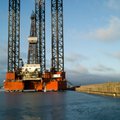
Oil prices climb to highest level since start of war
Translated from Lithuanian, summarized and contextualized by DistantNews.
TLDR
- Brent crude oil prices surpassed $119.50 per barrel, reaching their highest level since early March.
- The price surge is attributed partly to US President Donald Trump's inclination to extend sanctions on Iran, rejecting Iran's conditions for opening the Strait of Hormuz.
- Global economic catastrophe threats are impacting energy prices, with oil and natural gas supplies remaining disrupted.
Global oil markets are experiencing significant volatility, with Brent crude prices soaring past the $119.50 per barrel mark, a level not seen since early March. This dramatic increase, particularly evident in June delivery contracts, reflects a growing unease in energy markets. The situation is exacerbated by geopolitical tensions, with reports suggesting that U.S. President Donald Trump is leaning towards extending sanctions on Iran, having dismissed Iran's conditions for reopening the crucial Strait of Hormuz shipping channel.
While an active war is not currently underway, the specter of a global economic catastrophe looms larger, directly influencing energy prices. The disruption to oil and natural gas supplies continues to be a major concern, contributing to the upward pressure on prices. This complex interplay of geopolitical maneuvering and supply chain vulnerabilities creates an environment of uncertainty for both producers and consumers worldwide.
From a Lithuanian perspective, as reported by Delfi, these developments underscore the fragility of global energy security. Lithuania, like many European nations, relies heavily on imported energy resources, making it particularly susceptible to price fluctuations and supply disruptions. The news highlights the interconnectedness of global politics and economics, where decisions made in distant capitals can have tangible impacts on household budgets and national economies.
The article, while factual in its reporting of the price surge and the geopolitical context, implicitly points to the broader risks associated with international conflicts and trade disputes. For readers in Lithuania, understanding these dynamics is crucial for appreciating the challenges in securing stable and affordable energy, especially in the current global climate. The mention of the Strait of Hormuz also serves as a reminder of the critical chokepoints in global energy transit and the potential for disruption.
DistantNews Editorial
Originally published by Delfi in Lithuanian. Translated, summarized, and contextualized by our editorial team with added local perspective. Read our editorial standards.
More Stories



From Our Blog

What Gets Lost (and Found) When News Is Translated

The Critical Role of Diaspora Media in Global News

What Travellers Should Know About Countries with Restricted Press

A Digital Nomad's Guide to Following Local News

How the Same Story Looks Different in Different Countries
