

One in seven pregnant women in Peru has anemia: premature births and low birth weight warned
Translated from Spanish, summarized and contextualized by DistantNews.
TLDR
- Approximately 14.1% of pregnant women in Peru have anemia, according to data from January-February 2026.
- Specialists warn that this condition can negatively impact both maternal health and fetal development, with higher rates in regions like Tacna, Huancavelica, and Ayacucho.
- Factors contributing to anemia include insufficient pre-pregnancy screening, poor nutrition, low income, and issues with iron supplement adherence due to side effects.
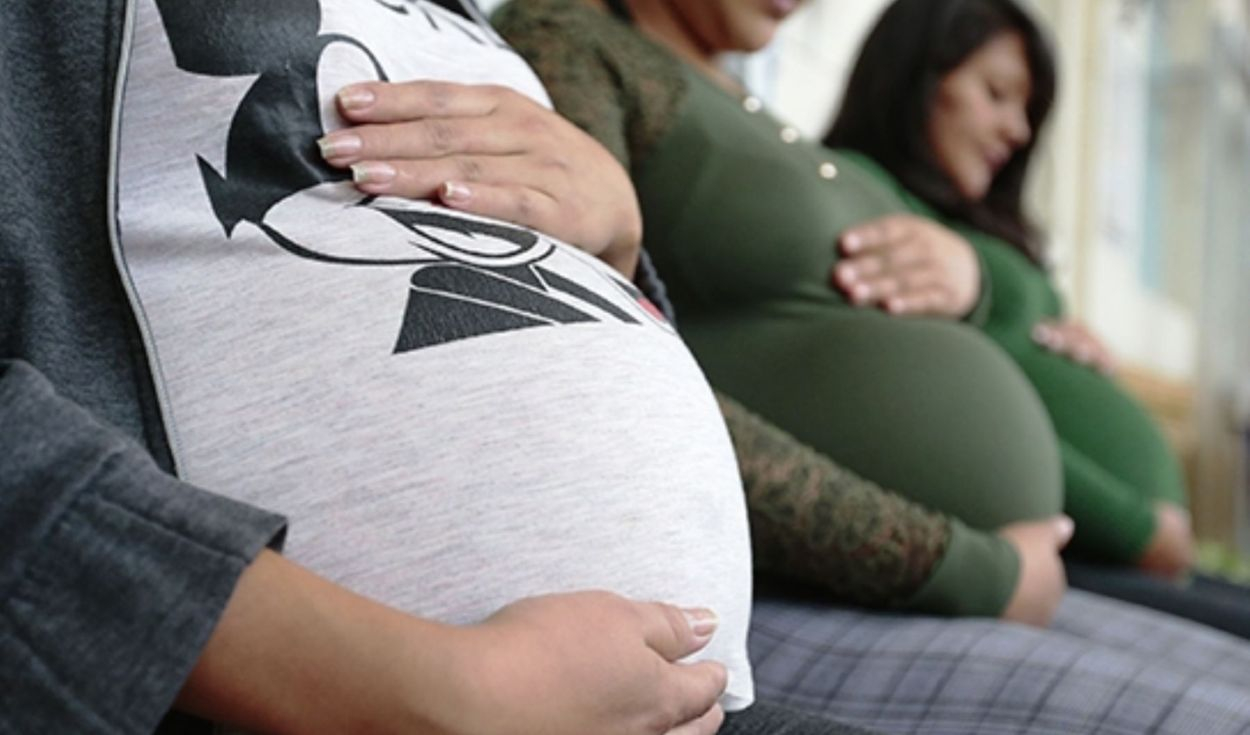
Peru faces a persistent public health challenge as anemia continues to affect a significant portion of its pregnant population. Recent data reveals that 14.1% of pregnant women evaluated in health facilities between January and February 2026 presented with anemia, a figure that underscores the urgency of addressing this widespread condition. The implications are severe, potentially compromising the health of both mothers and their developing babies, leading to complications such as premature birth and low birth weight.
Hay mujeres que llegan al embarazo sin saber cuáles son sus niveles de hemoglobina o ferritina. No existe una evaluación previa antes de quedar embarazadas y eso hace que muchas inicien la gestación ya con reservas bajas de hierro
The problem is multifaceted, extending beyond dietary deficiencies. Nutritionist Claudia Agüero points out that many women enter pregnancy with low iron levels due to a lack of pre-conception health checks. Furthermore, economic constraints often force families to prioritize calorie-dense but nutrient-poor foods, while iron-rich options remain prohibitively expensive. This socioeconomic dimension is critical, highlighting how poverty exacerbates health risks for vulnerable populations.
Standard treatment strategies, such as iron supplementation with ferrous sulfate, are also hampered by low adherence rates. Agüero notes that the unpleasant side effects, including constipation and nausea, often lead pregnant women to discontinue treatment prematurely, hindering recovery. The lack of tailored regional strategies further complicates efforts, as nutritional needs and cultural contexts vary significantly across Peru's diverse geography, from the coast to the highlands and the Amazon.
El sulfato ferroso puede causar estreñimiento, náuseas o dolores de cabeza. Muchas madres suspenden el tratamiento por las molestias y eso impide completar la recuperación
This situation demands a comprehensive approach that goes beyond simple supplementation. It requires robust public health campaigns focused on pre-conception care, improved access to affordable, nutrient-rich foods, and the development of more culturally sensitive and tolerable treatment options. Addressing anemia in pregnant women is not just a health issue; it is a matter of social equity and ensuring the well-being of the next generation in Peru.
Cuando una persona está embarazada y presenta anemia, el desarrollo fetal no será correcto. Incluso puede haber dificultades en la
DistantNews Editorial
Originally published by La República in Spanish. Translated, summarized, and contextualized by our editorial team with added local perspective. Read our editorial standards.
More Stories
From Our Blog

What Gets Lost (and Found) When News Is Translated

The Critical Role of Diaspora Media in Global News

What Travellers Should Know About Countries with Restricted Press

A Digital Nomad's Guide to Following Local News

How the Same Story Looks Different in Different Countries
