


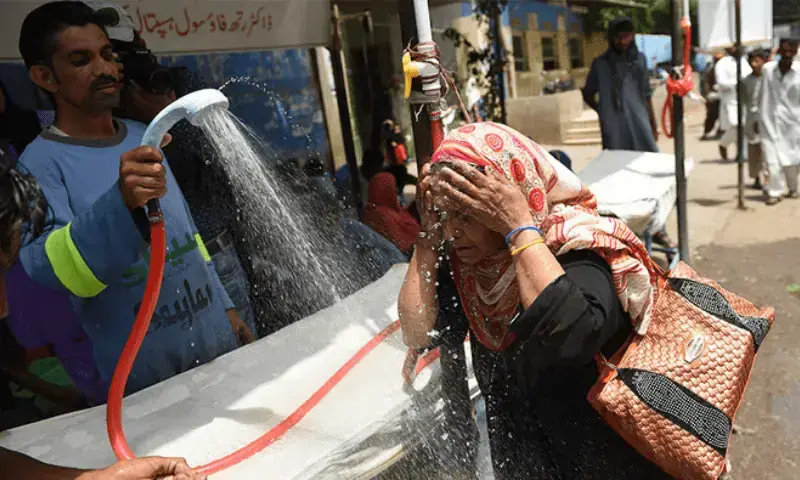
Pakistan Faces Extreme Heat as Temperatures Soar; Health Risks Mount
Translated from English, summarized and contextualized by DistantNews.
TLDR
- Karachi experienced severe heat with temperatures reaching 44°C, accompanied by low humidity.
- The Pakistan Meteorological Department forecasts above-normal temperatures nationwide for May, increasing the risk of heatwaves.
- The World Health Organization (WHO) advises on protective measures against extreme heat, including staying hydrated and avoiding outdoor activity during peak hours.
Pakistan is grappling with intense heat, particularly in its southern regions, with the provincial capital of Sindh, Karachi, recording a scorching 44°C. The Pakistan Meteorological Department (PMD) has issued a stark warning: May is expected to bring above-normal temperatures across the country, significantly raising the potential for dangerous heat spikes and prolonged heatwave conditions, especially in the plains of Punjab, Sindh, and Balochistan.
This extreme weather poses serious health risks, as highlighted by the World Health Organization (WHO). Heat extremes can exacerbate chronic health conditions such as cardiovascular, mental, respiratory, and diabetes-related illnesses, and can even lead to acute kidney injury. With climate change projected to increase the frequency and intensity of heatwaves, the risk of heat exposure and related illnesses is a growing concern for public health.
The WHO provides crucial guidance for individuals to protect themselves and their loved ones. Key recommendations include avoiding strenuous outdoor activities during the hottest parts of the day, seeking shade, and spending at least two to three hours in a cool environment. Simple measures like opening windows at night to cool homes and using blinds during the day can make a significant difference. Staying hydrated by drinking ample water and wearing light, loose-fitting clothing are also vital.
In the event of heatstroke, immediate emergency medical help is paramount. The WHO advises cooling the affected person by any available means while closely monitoring their condition. Recognizing the signs of heatstroke—such as fainting, dizziness, nausea, cessation of sweating, or loss of consciousness—is critical for timely intervention. As Pakistan faces these challenging climatic conditions, adherence to these public health advisories is essential for mitigating the impact of the extreme heat.
DistantNews Editorial
Originally published by Dawn in English. Translated, summarized, and contextualized by our editorial team with added local perspective. Read our editorial standards.
More Stories
From Our Blog

What Gets Lost (and Found) When News Is Translated

The Critical Role of Diaspora Media in Global News

What Travellers Should Know About Countries with Restricted Press

A Digital Nomad's Guide to Following Local News

How the Same Story Looks Different in Different Countries
