


Patience or Paralysis? Economic Dangers of Central Banks' Caution
Translated from Turkish, summarized and contextualized by DistantNews.
TLDR
- The article discusses the economic implications of central banks' cautious "wait-and-see" approach in 2026, citing interest rate pauses across major economies like Japan, the U.S., Europe, and the UK.
- It argues that geopolitical risks, particularly the Iran crisis, are no longer external factors but are embedded in economic models, leading to a "chronicization" of crisis and a "self-fulfilling prophecy" mechanism.
- The author contends that interest rates alone cannot solve supply shocks and chronic uncertainty stemming from geopolitical events, suggesting that prudent management is needed to navigate the crisis.
In the current global economic landscape of 2026, a prevailing "test of prudence" is underway, characterized by central banks adopting a cautious "wait-and-see" strategy. This approach, evident in recent interest rate pauses from Japan to the United States, Europe, and the United Kingdom, signals a shift from aggressive monetary policy to a more measured, owl-like wisdom. However, this caution carries significant economic dangers, potentially leading to paralysis rather than prudent navigation.
We are no longer discussing the aggression of hawks or the naivety of doves, but rather the era of "wait-and-see" wisdom of an owl.
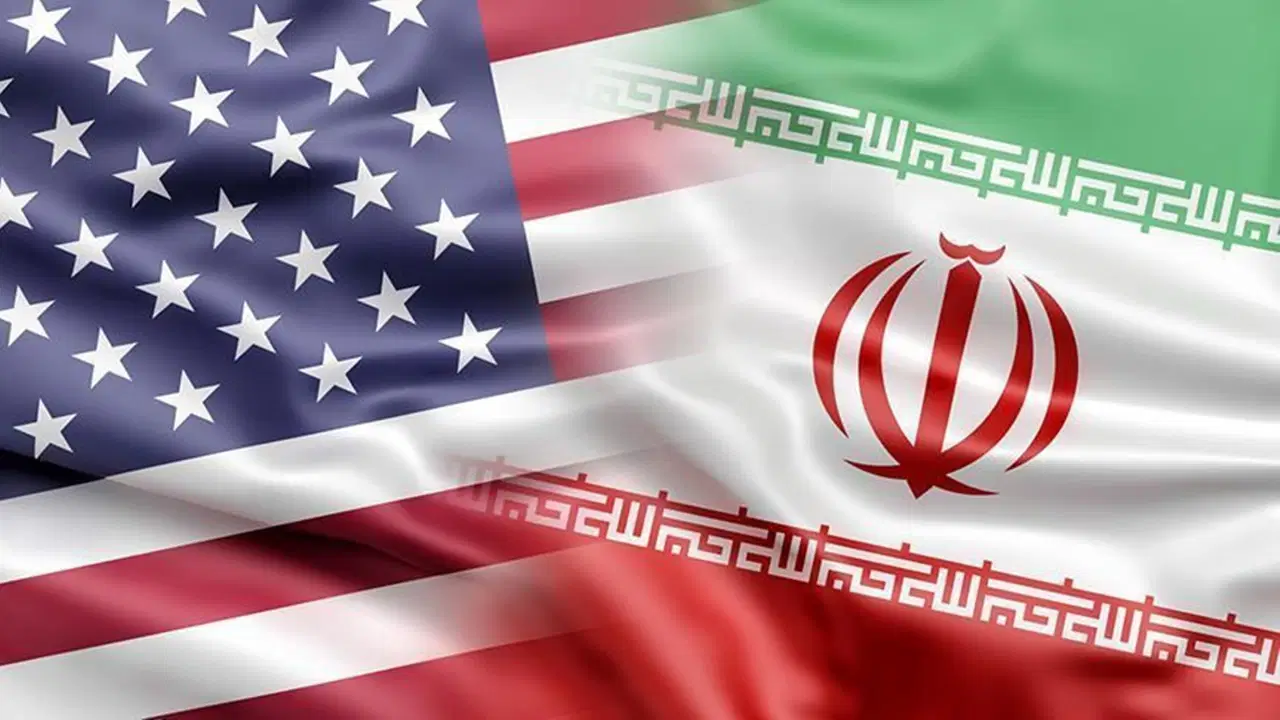
The "chronicization" of crisis is a defining feature of this new normal, with geopolitical events like the Iran crisis, which began in February and reached a fragile ceasefire in April, serving as stark examples. These risks are no longer treated as external variables but are deeply integrated into the core of economic models. Much like the ongoing impact of the Russia-Ukraine conflict, each temporary tremor is embedding itself into the system's fundamental structure. The primary danger lies not in cold data, but in the "self-fulfilling prophecy" fueled by central banks themselves. When market actors and policymakers collectively believe the crisis is becoming chronic, the feared scenario dictates economic behavior, overriding data-driven decisions.
The spectacle we witness on the global economic stage today is not a transient turbulence but the "chronicization" of crisis.
Oil prices, currently hovering between $110-$115, are a tangible manifestation of this prophecy, reflecting a new, elevated threshold compared to pre-crisis levels. This indicates that inflation is now a complex issue of "trust and cost," not just an excess of money. Consequently, relying solely on interest rates to manage profound supply shocks and chronic uncertainty is a flawed strategy. While interest rates cannot halt wars, prudent economic management is essential to weather these crises. The recent signals from G-10 central banks, including Australia's rate hike and warnings from Norway and New Zealand, suggest that the "wait-and-see" approach is merely a prelude to further action, highlighting the delicate balance between caution and decisive economic stewardship.
Much like the experience in the Russia-Ukraine corridor, every so-called "temporary" tremor is now embedding itself into the system’s genetic code.
DistantNews Editorial
Originally published by Cumhuriyet in Turkish. Translated, summarized, and contextualized by our editorial team with added local perspective. Read our editorial standards.
More Stories
From Our Blog

What Gets Lost (and Found) When News Is Translated

The Critical Role of Diaspora Media in Global News

What Travellers Should Know About Countries with Restricted Press

A Digital Nomad's Guide to Following Local News

How the Same Story Looks Different in Different Countries
