

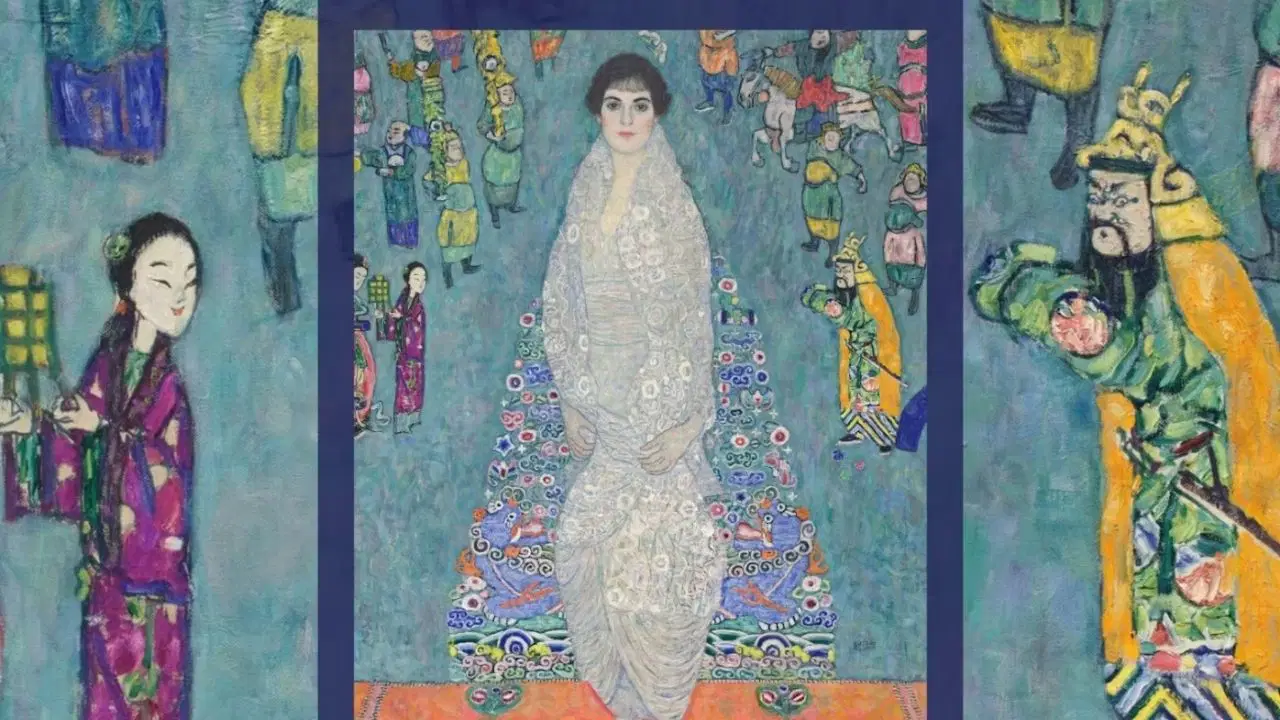

Persian and Iranian Culture: An Enduring Legacy
Translated from Turkish, summarized and contextualized by DistantNews.
TLDR
- The article posits that strong cultural output in literature, music, and cinema is crucial for a nation's resilience and survival throughout history.
- It highlights Iran's rich literary tradition, mentioning prominent poets like Ferdowsi, Hafez, and Saadi, and discusses the enduring impact of works like Ferdowsi's Shahnameh.
- The author argues that countries with strong cultural foundations, like Iran, are better equipped to overcome internal and external challenges and maintain their historical presence.
From the perspective of Cumhuriyet, a publication deeply rooted in Turkish intellectual and cultural discourse, the enduring strength of a nation is inextricably linked to its cultural output. This article champions the idea that a robust tradition in literature, music, and cinema acts as a bulwark against historical adversity, ensuring a nation's survival and prominence. It posits that even under oppressive regimes or during periods of conflict, a vibrant cultural heritage allows a nation to eventually re-emerge and thrive, drawing parallels with the resilience of Russian and European cultures through tumultuous historical periods.
The piece specifically celebrates the depth and richness of Iranian culture, particularly its literature, which it traces back to Persian roots. The mention of iconic figures such as Ferdowsi, Hafez, and Saadi, alongside their seminal works like the Shahnameh, underscores the profound and lasting impact of Iranian literary genius. The narrative surrounding Ferdowsi's Shahnameh serves as a poignant example of cultural creation amidst hardship and a testament to the enduring power of art to shape national identity and memory, even when facing neglect from ruling powers.
This viewpoint emphasizes that Iran's cultural legacy is not merely a historical artifact but a living force that continues to define its identity and ensure its continuity. The author's hypothesis suggests that a nation's cultural prowess, particularly in the arts, provides an inherent advantage in navigating the complexities of history. For a Turkish audience, which has its own rich cultural heritage and has navigated its own historical challenges, this perspective resonates deeply, offering a framework for understanding national resilience through the lens of cultural preservation and artistic achievement. It frames Iran not just as a geopolitical entity but as a civilization sustained by its profound artistic and literary traditions.
DistantNews Editorial
Originally published by Cumhuriyet in Turkish. Translated, summarized, and contextualized by our editorial team with added local perspective. Read our editorial standards.
More Stories


From Our Blog

What Gets Lost (and Found) When News Is Translated

The Critical Role of Diaspora Media in Global News

What Travellers Should Know About Countries with Restricted Press

A Digital Nomad's Guide to Following Local News

How the Same Story Looks Different in Different Countries
