

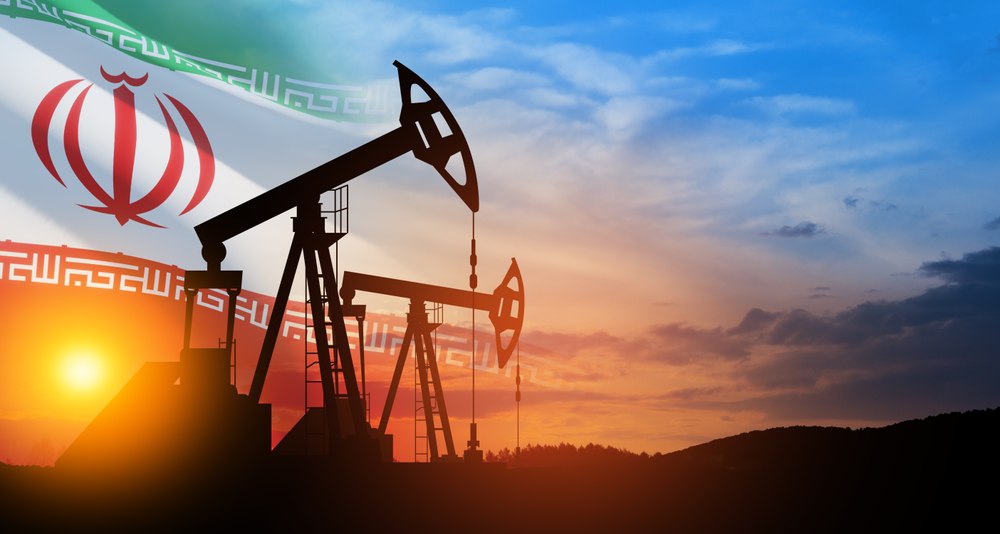
Petrol: Collapse or Explosion? Where Prices Are Headed and Can the Global Economy Withstand It
Translated from Romanian, summarized and contextualized by DistantNews.
TLDR
- The conflict with Iran is accelerating a shift in the oil market from economic efficiency to political calculations and conflict.
- The UAE's departure from OPEC marks a turning point, fragmenting the cartel and signaling a move towards independent strategies.
- Global oil flows are increasingly restricted by nationalism and conflict, leading to a more divided and potentially unstable energy system.
The global oil market is undergoing a seismic transformation, moving away from its traditional economic drivers towards a landscape dominated by political maneuvering and escalating conflicts. As reported by The Wall Street Journal and reflected in our analysis, the recent conflict involving Iran has become a catalyst for this profound shift. The fragmentation of OPEC, highlighted by the United Arab Emirates' decision to withdraw from the organization, signifies a move towards independent national strategies rather than collective market stabilization. This departure strikes at the heart of a cartel historically tasked with managing the oil industry's inherent boom-and-bust cycles. Instead of adhering to collective discipline, Abu Dhabi is charting its own course, a move that reverberates through the global energy order. This evolution, coupled with similar strategic realignments, is accelerating the transition of the global market. Major importing economies in Europe and Asia are actively seeking to reduce their reliance on Middle Eastern oil, pursuing diversification, consumption reduction, or the stimulation of domestic production. Simultaneously, major exporters, including the United States, are vying for market share in an environment where demand growth was already uncertain before this significant energy shock. The traditional mechanisms that stabilized oil markets, dating back to the 1970s and OPEC's price-setting power, are being challenged. Western nations established strategic reserves, and derivative markets developed to manage risk and volatility. In the US, the Carter Doctrine enshrined the free flow of oil through the Persian Gulf as a vital security interest. Today, this relationship has inverted. The US is no longer merely a major consumer but an active player shaping the market. The effective closure of the Strait of Hormuz by Iran has pushed fuel prices in the US to multi-year highs. Concurrently, Washington has intensified pressure on Tehran, severely restricting maritime traffic to Iranian ports. The US administration has hinted at the economic benefits of high prices domestically, encouraging oil and gas exports and urging energy companies to increase production. However, industry leaders and investors remain cautious, questioning the long-term viability of this model amidst geopolitical instability.
We see a 'every man for himself' logic.
DistantNews Editorial
Originally published by Adevărul in Romanian. Translated, summarized, and contextualized by our editorial team with added local perspective. Read our editorial standards.
More Stories
From Our Blog

What Gets Lost (and Found) When News Is Translated

The Critical Role of Diaspora Media in Global News

What Travellers Should Know About Countries with Restricted Press

A Digital Nomad's Guide to Following Local News

How the Same Story Looks Different in Different Countries
