


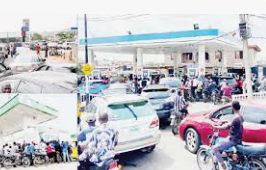
Petrol Hike: FCT Residents Abandon Cars for Public Transport Amidst Hardship
Translated from English, summarized and contextualized by DistantNews.
TLDR
- Residents of Nigeria's Federal Capital Territory (FCT) are resorting to public transport and walking due to a significant increase in petrol prices.
- The rising cost of fuel is causing economic hardship, forcing low-income earners and private vehicle owners to abandon their cars.
- Experts and rights groups warn of severe hardship, potential collapse of small businesses, and worsening unemployment and insecurity if the government does not intervene.
The recent surge in petrol prices has plunged residents of Nigeria's Federal Capital Territory (FCT) into severe economic distress, forcing a drastic shift in daily commutes. As reported by the News Agency of Nigeria (NAN), the escalating cost of fuel, a commodity Nigeria produces, has made daily travel unaffordable for many, pushing them towards public transport or even long walks to work. This situation underscores a painful irony for citizens of an oil-producing nation who cannot afford the very product of their natural wealth.
It has been stressful using commercial vehicles, but I have no choice. My salary is not enough to buy fuel every day.
The hardship is palpable. Private car owners, once a symbol of mobility, are now parking their vehicles as the daily fuel cost exceeds their budgets. Public servants like Sholape Kolawole express the stress of relying on commercial vehicles, a cost that is also rising, while others like James Obasi and Emmanuel Ajayi lament the disruption to small businesses and personal well-being due to unaffordable transportation.
My salary is not enough to buy fuel every day.
Development experts, such as Dr. Aliyu Ilias, highlight the severity, noting that many Nigerians are now forced to stay home on certain days due to lack of transport funds. He criticizes the disconnect between global crude oil revenues and the daily struggles of citizens, urging the government to use its earnings to stabilize fuel prices and subsidize local refining. The Human Rights Writers Association of Nigeria (HURIWA) echoes these concerns, labeling the price hike an "economic ambush" and warning of widespread business collapse, increased unemployment, and a potential rise in insecurity if immediate government intervention, including price stabilization measures and regulatory oversight, is not implemented.
the fuel situation had disrupted small transport businesses, with some operators unable to work for weeks due to high operating costs.
DistantNews Editorial
Originally published by Vanguard in English. Translated, summarized, and contextualized by our editorial team with added local perspective. Read our editorial standards.
More Stories


From Our Blog

How the Same Story Looks Different in Different Countries

What Gets Lost (and Found) When News Is Translated

The Critical Role of Diaspora Media in Global News

What Travellers Should Know About Countries with Restricted Press

A Digital Nomad's Guide to Following Local News
