


PH Remains Intact After State Election 'Storm,' BN-PN Cooperation Yet to Face True Test – Analyst
Translated from Malay, summarized and contextualized by DistantNews.
At a glance
Analysis
Named sources
Context piece
- Pakatan Harapan (PH) remains resilient despite recent state election losses, demonstrating organizational strength.
- Internal debates within DAP, such as whether leaders should hold administrative posts, are unlikely to affect DAP's membership in PH or support for Anwar Ibrahim.
- Analysts suggest PH has a clearer structure and more experience managing coalitions compared to the BN-PN cooperation, which is described as a "understanding" rather than a formal pact.
Pakatan Harapan (PH) has shown remarkable resilience, maintaining its organizational strength despite facing setbacks in recent state elections. According to Associate Professor Dr. Mashitah Mohd Udin, Director of the Institute of Political Studies at Universiti Utara Malaysia (UUM), the coalition has demonstrated a high capacity to absorb pressure, manage internal differences, and stay united after disappointing results. Even after poor performances in the Sabah, Johor, and Negeri Sembilan state elections, no component party within PH has announced plans to leave the coalition. While the Democratic Action Party (DAP) will debate its position within the government at its party congress on August 16, specifically concerning whether DAP leaders should continue holding administrative positions, this internal discussion is not expected to jeopardize DAP's membership in PH or its support for Prime Minister Datuk Seri Anwar Ibrahim. Anthony Loke has clarified that the outcome will not affect DAP's standing within PH. Both PKR and Amanah also show no signs of wanting to leave the coalition, proving that PH is more than just a temporary electoral pact. The long history of collaboration among its component parties, dating back to the Pakatan Rakyat era, through the formation of PH in 2015, the 2018 general election victory, the fall of the government in 2020, periods in opposition, and the formation of the unity government after the 2022 general election, has fostered a level of political maturity and internal mechanisms not common in newer political partnerships. While PKR, DAP, and Amanah may have disagreements on the pace of reform, approaches to ethnic and religious issues, and relations with Barisan Nasional (BN), they share a common interest in preserving a multi-ethnic political framework and PH's position as a national coalition. In contrast, the cooperation between BN and PN, particularly in Negeri Sembilan, is described by BN Chairman Datuk Seri Dr. Ahmad Zahid Hamidi as an "understanding" rather than a formal political pact. This arrangement saw BN contest 25 seats and PN 11 without overlap, while Bersatu competed separately in 24 seats after its cooperation with PAS ended. While such electoral understandings can lead to victories by reducing competition among parties targeting the same Malay voter segment, avoiding seat clashes does not equate to a solid, tested alliance.
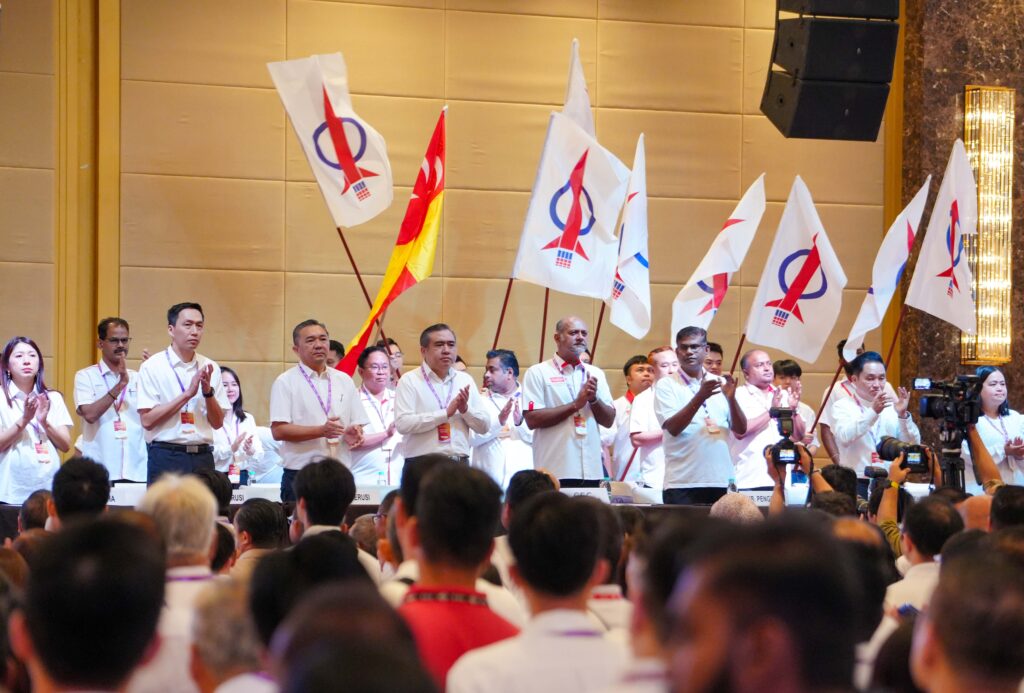
DAP will debate its position in the government at the party congress on August 16, especially whether DAP leaders should continue to hold positions in the administration.
DistantNews Editorial
Originally published by Utusan Malaysia in Malay. Translated, summarized, and contextualized by our editorial team with added local perspective. Read our editorial standards.
More Stories


From Our Blog

What Gets Lost (and Found) When News Is Translated

The Critical Role of Diaspora Media in Global News

What Travellers Should Know About Countries with Restricted Press

A Digital Nomad's Guide to Following Local News

How the Same Story Looks Different in Different Countries
