

Philippines’ belligerence towards China out of step with Asean trend
Summarized and contextualized by DistantNews.
At a glance
Analysis
Sources not specified
Context piece
- The Philippines' confrontational stance on maritime disputes, particularly its emphasis on the 2016 South China Sea arbitration ruling, has failed to ease regional tensions and may undermine ASEAN's central role.
- While the Philippines plans to mark the ruling's anniversary, the arbitration outcome has not resolved underlying disputes, and maritime incidents persist.
- In contrast, China has strengthened economic ties with Southeast Asia through a pragmatic, cooperation-focused approach, making ASEAN its largest trading partner for five consecutive years.
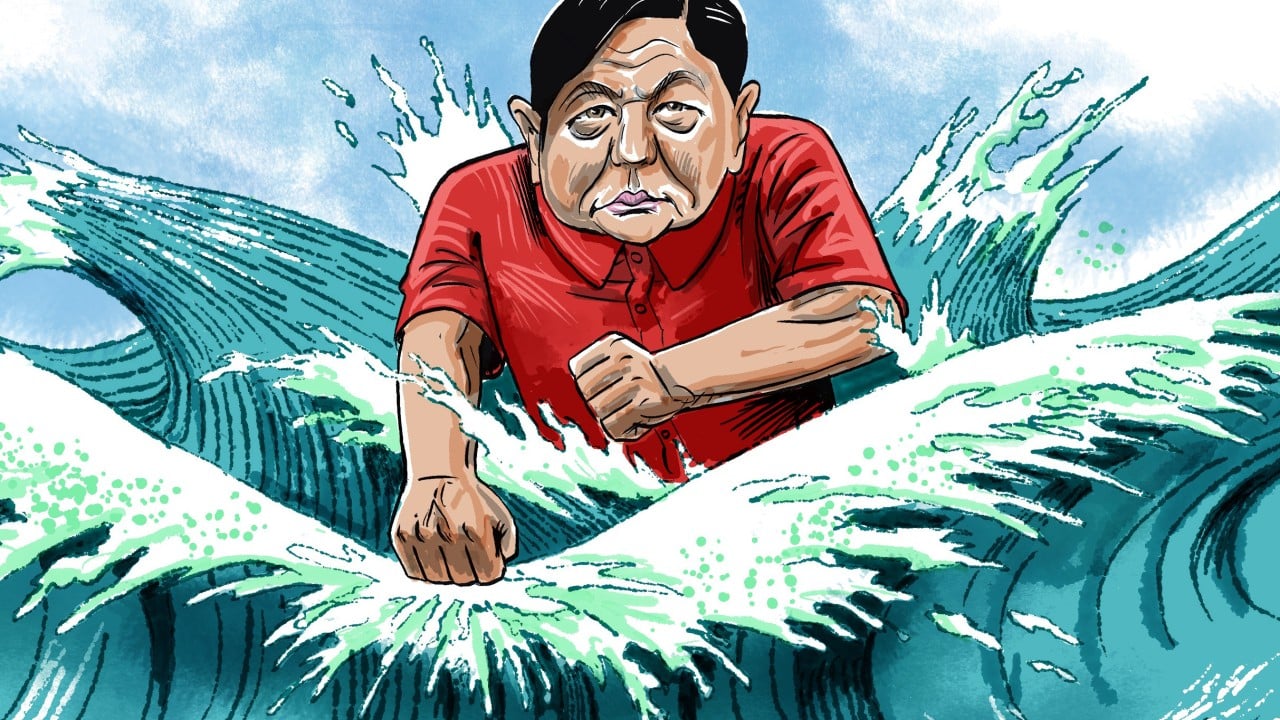
The Philippines' assertive approach to maritime territorial disputes, notably its strong backing of the 2016 South China Sea arbitration ruling, is increasingly seen as counterproductive. This strategy has not only failed to de-escalate regional tensions but also poses a risk to ASEAN's centrality in regional affairs.
Philippine President Ferdinand Marcos Jr. announced plans to commemorate the ruling's 10th anniversary, framing it as a testament to Manila's commitment to peaceful dispute resolution. However, this interpretation is contested. The arbitration award itself has faced significant legal challenges, including questions about the tribunal's jurisdiction. China, citing its 2006 declaration under the UN Convention on the Law of the Sea, excluded maritime delimitation and historic title disputes from compulsory arbitration.
A decade after the ruling, the core disputes remain unresolved. Maritime incidents continue, military deployments have increased, and the ruling itself has become a source of ongoing contention rather than a basis for mutual understanding. This contrasts sharply with China's strategy towards Southeast Asia.
China has pursued a pragmatic, cooperation-first agenda with ASEAN, focusing on common development, supply chain resilience, and emerging sectors like the blue and green economies. This approach has made ASEAN China's largest trading partner for five consecutive years, fostering a deeply interconnected regional economy. The development of the Hainan Free Trade Port as a hub for a China-ASEAN blue economy market exemplifies this economic integration.
DistantNews Editorial
Originally published by South China Morning Post. Summarized and contextualized by our editorial team with added local perspective. Read our editorial standards.
More Stories


From Our Blog

Countries Without a Free Press: What You Need to Know

What Press Freedom Means for the News You Read

What Gets Lost (and Found) When News Is Translated

The Critical Role of Diaspora Media in Global News

What Travellers Should Know About Countries with Restricted Press
