

Planet No Longer Burning: Extreme Climate Scenarios Retired
Translated from Polish, summarized and contextualized by DistantNews.
TLDR
- International climate modeling committees have retired the most extreme climate scenarios, RCP8.5 and SSP5-8.5, which previously dominated research.
- These scenarios, used by the UN's IPCC and influencing trillions in investments and regulations, projected unlikely temperature increases and sea-level rise.
- Critics argue that these improbable scenarios have already caused harm by shaping
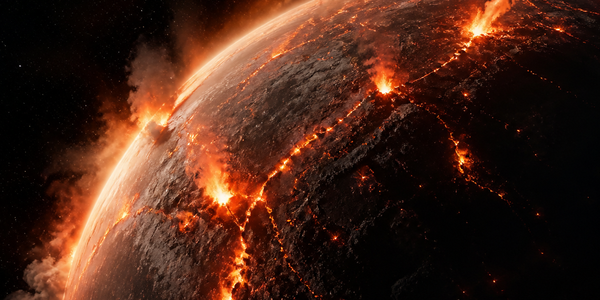
For decades, the world's leading climate models have been based on worst-case scenarios, painting a picture of a 'burning planet.' These scenarios, particularly RCP8.5, have driven policy decisions, infrastructure planning, and financial regulations globally. Now, the very international committees responsible for these models, including the Coupled Model Intercomparison Project (CMIP) and the UN's Intergovernmental Panel on Climate Change (IPCC), have acknowledged that the most extreme projections are improbable.
The most extreme scenarios that have dominated climate research for most of the last decade have been eliminated.
This shift is significant. As highlighted by figures like Roger A. Pielke Jr. from the American Enterprise Institute, these climate predictions influence trillions of dollars in investments and governmental policies. The fact that these extreme scenarios are being retired suggests a potential overestimation of the climate threat, which has led to what some are calling a scientific embarrassment. The implications for current 'Net Zero' policies and regulations are substantial, potentially requiring a reassessment of the urgency and direction of climate action.
Climate predictions from CMIP influence regulations and investments worth trillions of dollars.
From our perspective at Rzeczpospolita, this development is crucial. While Western media often focuses on the urgency of climate change, we must also consider the accuracy of the scientific underpinnings. The retirement of these extreme scenarios, long questioned by skeptics, raises important questions about the scientific process and the potential for alarmism. It suggests that the narrative of an imminent climate catastrophe, while perhaps well-intentioned, may have been based on flawed assumptions. This allows for a more nuanced discussion about climate policy, one that balances environmental concerns with economic realities and avoids unnecessary panic.
The damage caused by such false scenarios has already been done.
This reassessment is not about denying climate change, but about ensuring that our response is based on the most realistic and scientifically sound projections. The global community, including Poland, must now adapt its climate strategies based on these updated, more plausible scenarios. This provides an opportunity to recalibrate our efforts, focusing on achievable goals and avoiding policies driven by potentially exaggerated fears. The 'burning planet' narrative may be fading, but the need for responsible climate stewardship remains.
How could such a scientific embarrassment have occurred?
DistantNews Editorial
Originally published by Rzeczpospolita in Polish. Translated, summarized, and contextualized by our editorial team with added local perspective. Read our editorial standards.
More Stories


From Our Blog

What Gets Lost (and Found) When News Is Translated

The Critical Role of Diaspora Media in Global News

What Travellers Should Know About Countries with Restricted Press

A Digital Nomad's Guide to Following Local News

How the Same Story Looks Different in Different Countries
