


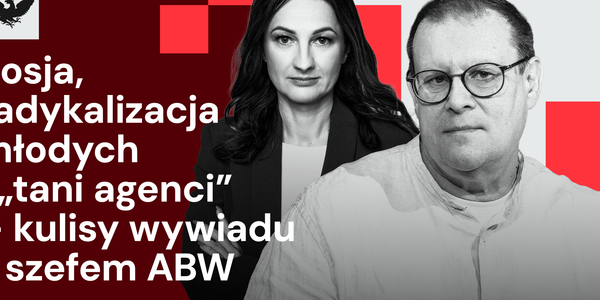
Poland's Security Chief Warns of Online Radicalization and Russian Agent Recruitment
Translated from Polish, summarized and contextualized by DistantNews.
TLDR
- Poland's Internal Security Agency (ABW) chief, Rafał Syrysko, has given his first-ever interview, signaling a shift towards greater public engagement by state security institutions.
- The interview highlights the growing radicalization of young people due to uncontrolled online content, with the ABW noting cases of individuals preparing for attacks.
- Russia is increasingly recruiting "low-cost agents" via platforms like Telegram for tasks ranging from graffiti to sabotage, posing a destabilizing threat to the state.
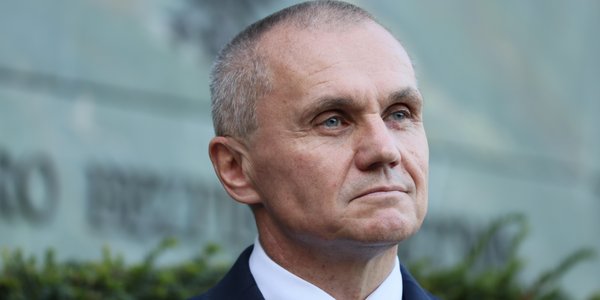
In a significant move that signals a new era of transparency and public engagement, Poland's Internal Security Agency (ABW) has granted its first-ever interview to Marek Kozubal of Rzeczpospolita. This decision reflects a crucial shift in the state's approach to informing its citizens, moving away from the previous doctrine of operating solely in the shadows.
The interview has an informative, as well as a warning and educational character, showing real threats based on hard operational data.
Kozubal's interview with ABW chief Rafał Syrysko is not merely informative; it serves as a vital warning and educational tool. It underscores the growing need for public awareness and resilience-building in the face of evolving threats. One of the most alarming threads emerging from this discussion is the escalating radicalization among Poland's youth. Kozubal points out that this critical issue remains largely absent from public debate, yet the problem is deepening, fueled by the unchecked content flooding the internet. "We've lost some control over what young people watch online," he notes, highlighting a disturbing fascination with violent material.
We've lost some control over what young people watch online.
This fascination is not abstract. The ABW has recorded instances of young Poles actively preparing for attacks, raising the specter of "lone wolf" incidents. Colonel Syrysko acknowledges the real and present danger, emphasizing the need for proactive measures to prevent such tragedies. This underscores a disturbing trend: the normalization of extreme content and its potential translation into real-world violence. From our perspective in Poland, this is a deeply concerning development that demands immediate societal attention and strategic intervention.
This is something that is somewhat escaping us.
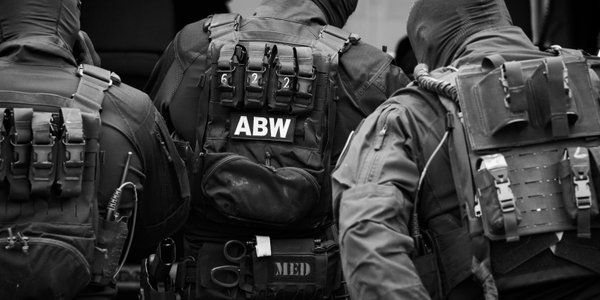
Furthermore, the interview sheds light on Russia's evolving tactics. The agency identifies the recruitment of "low-cost agents" through online platforms like Telegram as a growing concern. These individuals are tasked with seemingly minor actions – from graffiti to distributing materials – that collectively serve to destabilize the state and divert security services' attention from more significant threats. Russia is also reportedly seeking more sophisticated operatives, including those with past ties to organized crime. This strategic adaptation by Russian intelligence services represents a significant escalation, posing a complex and multifaceted challenge to Poland's national security. The implications of these Russian-backed destabilization efforts are profound, with potential scenarios including large-scale attacks like train derailments or aircraft fires, underscoring the gravity of the situation.
The simplest solution is to try to recruit using the internet, specifically Telegram, so-called low-cost agents.
DistantNews Editorial
Originally published by Rzeczpospolita in Polish. Translated, summarized, and contextualized by our editorial team with added local perspective. Read our editorial standards.
More Stories
From Our Blog

What Gets Lost (and Found) When News Is Translated

The Critical Role of Diaspora Media in Global News

What Travellers Should Know About Countries with Restricted Press

A Digital Nomad's Guide to Following Local News

How the Same Story Looks Different in Different Countries
