


Polish Pro-Life Activist Pardoned: Conflicting Accounts Emerge Over Defamation Conviction
Translated from Polish, summarized and contextualized by DistantNews.
TLDR
- Weronika K., a pro-life activist, was pardoned by President Karol Nawrocki in mid-April, citing her incidental offense, stable life, family situation, and social considerations.
- K. was convicted of defaming a doctor, Piotr A., after she claimed he pressured her to have an abortion based on a Down syndrome diagnosis for her unborn son.
- Court documents and right-wing media narratives present conflicting accounts, with the court's justification indicating the doctor did not pressure her and she only visited him once.
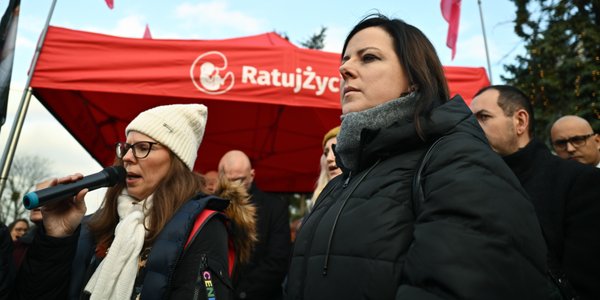
The recent pardon of Weronika K., a prominent pro-life activist, by President Karol Nawrocki has ignited a significant debate in Poland, highlighting the deep divisions surrounding abortion and the role of activism. Rzeczpospolita delves into the complexities of the case, moving beyond the surface-level narratives often presented by media and political circles.
incydentalny charakter czynu, ustabilizowany tryb życia skazanej, sytuacja rodzinna (sprawowanie opieki nad trójką małoletnich dzieci, w tym jednego z niepełnosprawnością), zasady sprawiedliwości i racjonalności represji karnej oraz względy społeczne.
While Kancelaria Prezydenta cited reasons such as the incidental nature of the offense and Weronika K.'s family situation—including caring for three minor children, one with a disability—the pardon does not negate the original court ruling. She was convicted of defaming Dr. Piotr A. The activist's account, widely circulated by right-wing media and organizations like Ośrodek Monitorowania Antypolonizmu, portrays her as a victim pressured by a doctor to abort her child diagnosed with Down syndrome. This narrative frames her pardon as a triumph for 'unyielding' activists.
Po co ci down w domu?
However, Rzeczpospolita sought and obtained the court's justification for the February 10, 2025, conviction. The court's findings, upheld on appeal, suggest a different reality. According to the judge, the doctor did not urge her to have an abortion, and Weronika K. was only a patient of his on one occasion. This stark contrast between the activist's claims, amplified by her supporters, and the court's detailed reasoning underscores the contentious nature of the case. The pardon itself, while a presidential act, does not alter the legal findings, leaving a complex situation where political and judicial interpretations diverge significantly, reflecting the broader societal tensions in Poland.
Kiedy w 2016 r. usłyszała od lekarza diagnozę o zespole Downa u swojego nienarodzonego syna i była wielokrotnie namawiana do aborcji, dokonała wyboru, który zmienił wszystko. Dziś jej sprawa nabiera nowego znaczenia w obliczu decyzji o ułaskawieniu.
DistantNews Editorial
Originally published by Rzeczpospolita in Polish. Translated, summarized, and contextualized by our editorial team with added local perspective. Read our editorial standards.
More Stories

From Our Blog

What Gets Lost (and Found) When News Is Translated

The Critical Role of Diaspora Media in Global News

What Travellers Should Know About Countries with Restricted Press

A Digital Nomad's Guide to Following Local News

How the Same Story Looks Different in Different Countries
