


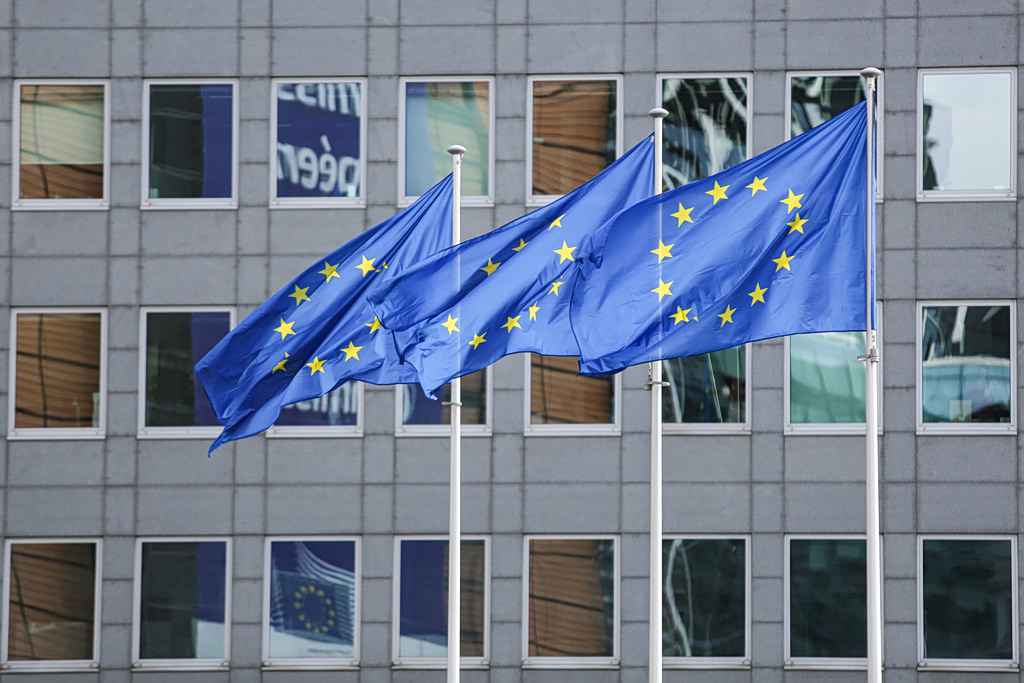
Poll: Europeans Eye Autonomy, US Support Declines Significantly
Translated from Greek, summarized and contextualized by DistantNews.
TLDR
- A new Bertelsmann Stiftung study reveals that 73% of EU citizens believe the Union should chart its own course, a significant increase from previous years.
- Trust in the US as a reliable partner has eroded, with only 31% viewing it as Europe's most important ally, down from 51% in 2024.
- Europeans are seeking strategic autonomy, not by turning to China, but by strengthening ties with the UK and Canada and maintaining support for NATO.
From the perspective of Ta Nea, the findings of the Bertelsmann Stiftung study present a pivotal moment for Europe. The overwhelming desire among EU citizens – a staggering 73% – for the Union to "take its own path" signals a profound shift in geopolitical thinking. This is not merely a fleeting sentiment; it reflects a deep-seated reevaluation of Europe's place in the world, particularly in the wake of the Trump presidency.
The erosion of trust in the United States as a reliable partner is particularly striking. A decline from 51% to just 31% in viewing the US as Europe's primary ally indicates a significant fracturing of the transatlantic relationship. This disillusionment stems from the perceived unreliability and polarization within American politics, pushing Europeans to prioritize their own security and strategic independence. The study rightly notes that this is not a rejection of the West, but a demand for a more equitable partnership.
Crucially, this push for autonomy does not translate into a pivot towards China. European citizens remain skeptical of Beijing, prioritizing the reduction of dependencies even at potential economic cost. Instead, the focus is on recalibrating existing alliances, with a notable strengthening of ties to the United Kingdom and Canada. Support for NATO, the bedrock of European security, remains robust, indicating a desire to reshape, rather than abandon, the transatlantic security framework.
Florian Komer of the Bertelsmann Stiftung aptly summarizes the situation: "The message before this year's Europe Day is unequivocal: Europeans want to gain more independence from the United States." This sentiment, particularly strong among older generations, underscores a generational shift in foreign policy outlook. As Ta Nea observes, European policymakers must now translate this clear public mandate into concrete actions, forging a path toward genuine strategic autonomy that reflects the continent's evolving global role and aspirations.
Το μήνυμα πριν από τη φετινή Ημέρα της Ευρώπης είναι αδιαμφισβήτητο: οι Ευρωπαίοι θέλουν να αποκτήσουν περισσότερη ανεξαρτησία έναντι των Ηνωμένων Πολιτειών. Η εμπιστοσύνη έχει διαβρωθεί, η θέση της Αμερικής ως κεντρικού εταίρου της Ευρώπης έχει καταπέσει. Η σύμπραξη μπορεί να επισκευασθεί, όμως τα δεδομένα μας σηματοδοτούν ένα βαθύτερο, δομικό ρήγμα στις διατλαντικές σχέσεις. Οι Ευρωπαίοι πολίτες ζητούν μεγαλύτερη ανεξαρτησία, κυρίως στην εξωτερική πολιτική και την πολιτική της ασφάλειας. Οι διαμορφωτές της πολιτικής χρειάζεται να μεταφράσουν το αίτημα αυτό σε λεπτομερείς πολιτικές και σε πραγματ
DistantNews Editorial
Originally published by Ta Nea in Greek. Translated, summarized, and contextualized by our editorial team with added local perspective. Read our editorial standards.
More Stories


From Our Blog

What Gets Lost (and Found) When News Is Translated

The Critical Role of Diaspora Media in Global News

What Travellers Should Know About Countries with Restricted Press

A Digital Nomad's Guide to Following Local News

How the Same Story Looks Different in Different Countries
