

Pope Francis: Popes, Wars, and Peace. Trump Arrogant Like Mussolini
Translated from Polish, summarized and contextualized by DistantNews.
TLDR
- Pope Francis, in his Easter Urbi et Orbi address, called for global peace and an end to conflict, echoing historical papal appeals for disarmament.
- The article draws a parallel between Francis's message and Benedict XV's stance during WWI, contrasting it with Benito Mussolini's nationalist fervor for war.
- It suggests that Pope Francis's call for peace without victory is a continuation of a long-standing papal tradition, challenging the modern-day inclination towards prolonged conflict.
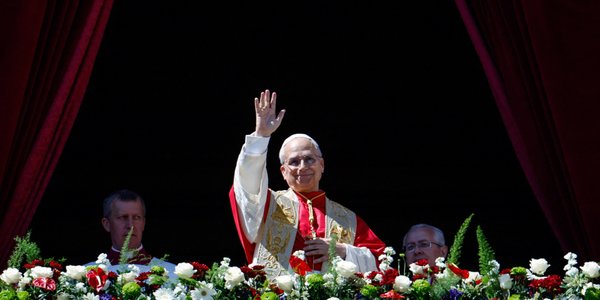
In his recent Easter Urbi et Orbi address, Pope Francis issued a powerful call for global peace, urging an end to conflicts and a laying down of arms. This message, delivered from the heart of the Vatican, resonates deeply within Poland, a nation with a profound historical memory of war and a strong tradition of seeking peace through dialogue and faith. The Pope's words, "Whoever wields the sword, let him lay it down! Whoever has the power to unleash wars, let him choose peace!" echo the sentiments of his predecessors, particularly Benedict XV during the horrors of World War I.
Whoever wields the sword, let him lay it down! Whoever has the power to unleash wars, let him choose peace!
As Rzeczpospolita, we recognize the historical weight of these papal appeals. Benedict XV, known as the "Pope of Peace," tirelessly advocated for an end to the Great War, a stance that was met with fierce opposition from nationalist elements, most notably Benito Mussolini. Mussolini, then editor of the nationalist newspaper "Il Popolo d'Italia," derided the Pope's calls for peace as a "moral diversion" and a "peace without victory," instead championing a "war until victory." This historical parallel is particularly poignant today, serving as a stark reminder of how the pursuit of absolute victory can lead nations to ruin, as it ultimately did for Italy under Mussolini.
The Pope's message this Easter is not merely a diplomatic plea; it is a moral imperative rooted in centuries of Catholic teaching and a deep understanding of human suffering. For Poland, a country that has endured so much throughout its history, the call for peace without victors or vanquished is not an abstract ideal but a lived aspiration. We understand the devastating consequences of prolonged conflict and the profound human cost of war, making the Pope's message of reconciliation and de-escalation particularly relevant.
Papież chce zabić wolę walki naszego narodu
While some may dismiss such calls as naive in the face of ongoing geopolitical tensions, we at Rzeczpospolita believe that the enduring power of faith and moral leadership, as exemplified by Pope Francis, offers a crucial counterpoint to the prevailing narratives of conflict. His message serves as a vital reminder that true strength lies not in the capacity for destruction, but in the courage to pursue peace, even when it seems most difficult. This Easter message is a beacon of hope, urging us to reflect on the true meaning of victory and the enduring value of peace.
Wojna aż do zwycięstwa!
DistantNews Editorial
Originally published by Rzeczpospolita in Polish. Translated, summarized, and contextualized by our editorial team with added local perspective. Read our editorial standards.
More Stories


From Our Blog

What Gets Lost (and Found) When News Is Translated

The Critical Role of Diaspora Media in Global News

What Travellers Should Know About Countries with Restricted Press

A Digital Nomad's Guide to Following Local News

How the Same Story Looks Different in Different Countries
