


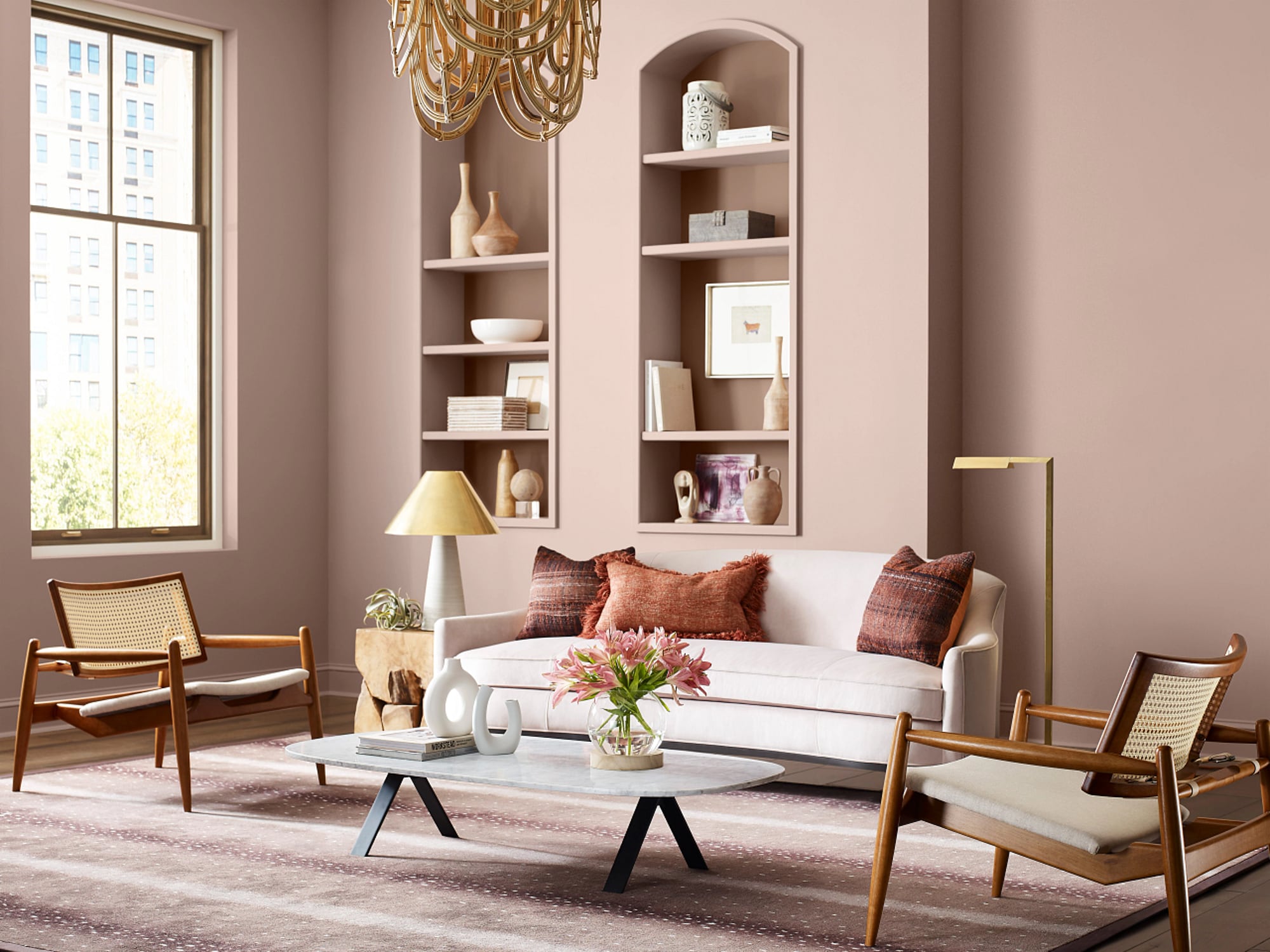
Psychology of Color: How Room Hues Transmit Relaxation and Peace
Translated from Spanish, summarized and contextualized by DistantNews.
TLDR
- Psychologists explain how colors influence emotions and mood, differentiating between warm and cool tones.
- Warm colors like red and yellow are stimulating, while cool colors like blue and green are calming.
- Individual and cultural contexts also play a role in color perception and emotional response.
In the realm of interior design and personal well-being, the psychological impact of color is a profound subject, as explored by psychologists Bárbara Ayub and Marcos Apud. Their insights, featured in La Nación, delve into how the hues we surround ourselves with can significantly shape our emotional states and overall mood. This isn't merely about aesthetics; it's about harnessing the power of color to create environments that foster specific feelings, whether it be tranquility or energy.
El color de una pared no sólo produce sensaciones, sino algo más profundo que son las emociones. Y eso obviamente puede afectar a nuestro estado de ánimo
Ayub draws a clear distinction between warm and cool colors. Warm hues such as red and yellow are associated with fire and are described as 'excitants of the nervous system,' potentially leading to heightened energy, excitement, or even agitation. Conversely, cool colors—blues, violets, and greens—are characterized as 'sedatives.' They tend to generate calmness and passivity, though Ayub cautions that an overabundance of cool tones might lead to feelings of lethargy or even mild depression. This understanding is crucial for anyone looking to paint their living spaces.
However, the psychologists emphasize that color perception is not a one-size-fits-all phenomenon. Factors such as cultural background and individual emotional intelligence play a significant role. For instance, while orange might be associated with calm in India due to its connection with Buddhism, its impact can vary greatly across different cultures and individuals. Apud further elaborates on this, noting that colors like light blue, pink, white, and pastels generally induce calm, a principle he has applied in his own therapeutic practice by wearing such colors during consultations.
Influyen también cuestiones de contexto, culturales y la inteligencia emocional que cada persona tenga
Ultimately, the choice of color should be context-dependent. Apud highlights that the intended use of a space is paramount. Painting a home gym bright yellow or orange, colors that stimulate and provide intensity, would be effective. However, using the same vibrant colors in a bedroom, where relaxation is key, could be counterproductive, potentially leading to nervousness and tension. This nuanced approach, considering both the inherent properties of color and the personal and contextual factors, allows for the intentional creation of spaces that support our emotional and psychological needs, as reported by La Nación.
No es lo mismo pintar un cuarto donde hacés actividad física de amarillo o naranja, que estimula y da intensidad, que dormir en un cuarto con ese color. La diferencia está en el uso y la actividad
DistantNews Editorial
Originally published by La Nación in Spanish. Translated, summarized, and contextualized by our editorial team with added local perspective. Read our editorial standards.
More Stories



From Our Blog

What Gets Lost (and Found) When News Is Translated

The Critical Role of Diaspora Media in Global News

What Travellers Should Know About Countries with Restricted Press

A Digital Nomad's Guide to Following Local News

How the Same Story Looks Different in Different Countries
