


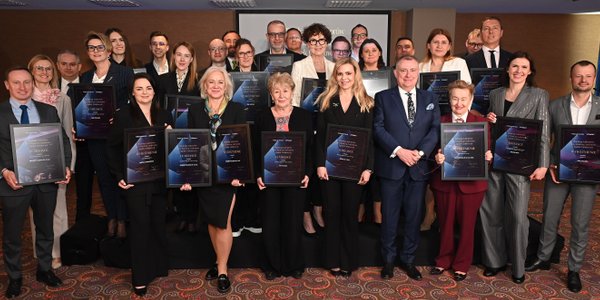
PwC, KPMG, and EY Again on the Podium
Translated from Polish, summarized and contextualized by DistantNews.
TLDR
- The 25th edition of the "Rzeczpospolita" Auditors Ranking sees PwC retain its top position for the sixth consecutive year, followed by KPMG and EY.
- Mid-sized auditing firms are gaining strength, with BDO notably advancing to share fourth place with Deloitte Audyt, indicating a more competitive landscape.
- Despite regulatory adjustments easing ESG reporting requirements, demand for ESG data remains high, with financial institutions and large entities increasingly seeking verified sustainability information.
Warsaw, Poland – The 25th annual "Rzeczpospolita" Auditors Ranking reaffirms the established hierarchy, with PwC securing the leading position for the sixth year running. KPMG and EY follow closely, maintaining their second and third places respectively, mirroring last year's results. This consistency at the very top highlights the enduring strength and market presence of these global giants within the Polish auditing landscape.
The combination of modern tools with human experience constitutes the real value of audit services today.
However, the narrative of this year's ranking is also shaped by the significant rise of mid-sized firms. The competition for positions below the top three was particularly fierce, with fractions of points deciding placements. BDO's impressive ascent to share fourth place with Deloitte Audyt is a testament to the growing capabilities and market penetration of these firms. Grant Thornton, PKF, Forvis Mazaras, UHY ECA, Moore, and HLB round out the top ten, demonstrating a robust and increasingly competitive mid-market segment.
We are constantly investing in the professional development of employees, training new generations of certified auditors. Currently, 113 certified auditors work at KPMG in Poland, and we are the leader in this regard.
The methodology for this year's ranking has evolved, incorporating two new criteria related to sustainability (ESG) reporting. This reflects the growing importance of ESG, even amidst regulatory adjustments like those introduced by the Omnibus package, which have eased some reporting obligations. Tomasz Michalak, a partner in EY Polska's assurance department, notes that despite these changes, the demand for ESG data persists. Financial institutions increasingly require this information for new sustainable financing instruments, and large entities are keen to measure their impact across value chains, often collecting data voluntarily even without a regulatory mandate.
Despite the easing of reporting regulations, an increased demand for ESG data is visible. New financing instruments linked to sustainable development are emerging, and financial institutions need data, often verified by an independent auditor.
This evolving landscape also impacts the talent pool. Bartłomiej Lachowicz, an audit partner at KPMG Poland, emphasizes the firm's commitment to professional development, noting that KPMG Poland currently employs 113 certified auditors, making them a leader in this regard. He highlights that modern tools are automating routine tasks, transforming the perception of the auditing profession from one of tedious procedures to one focused on more valuable, strategic activities, thereby making the role of a certified auditor more attractive.
Therefore, many companies are calculating their carbon footprint or collecting other information, even if they do not have a regulatory obligation.
DistantNews Editorial
Originally published by Rzeczpospolita in Polish. Translated, summarized, and contextualized by our editorial team with added local perspective. Read our editorial standards.
More Stories


From Our Blog

What Gets Lost (and Found) When News Is Translated

The Critical Role of Diaspora Media in Global News

What Travellers Should Know About Countries with Restricted Press

A Digital Nomad's Guide to Following Local News

How the Same Story Looks Different in Different Countries
